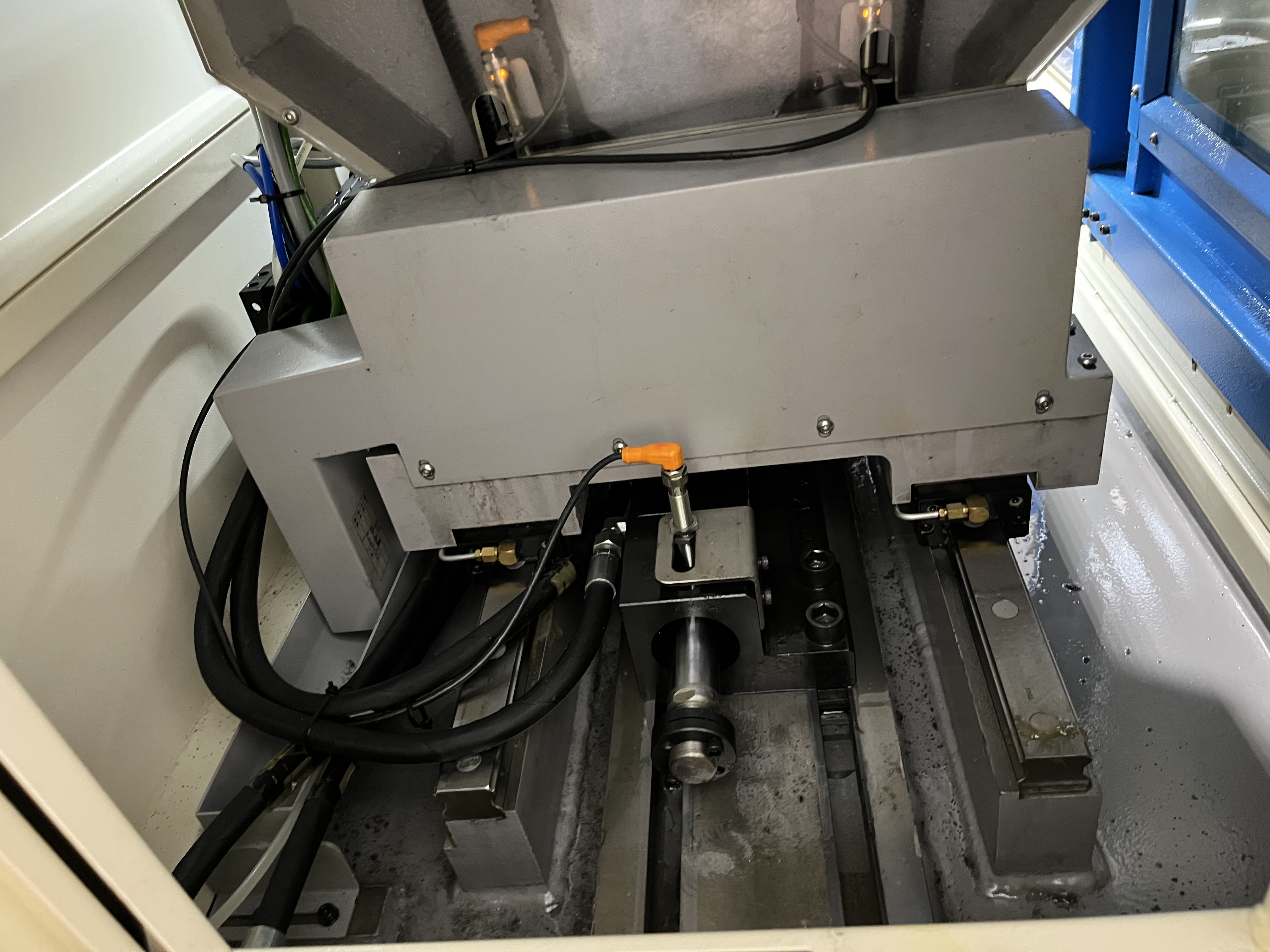
Coolant Pump Selection and Maintenance for Deep Hole Drilling

The coolant pump is the heart of any deep hole drilling system, and I have seen more production downtime from pump failures than from spindle issues. The pump must deliver consistent pressure and flow at the tool tip, and the maintenance approach is completely different from the standard sump pump on a CNC lathe. Pump Selection Criteria The pressure and flow required depend on the drilling method, tool diameter, and depth. For gun drilling, the rule of thumb I use is 800 to 1,200 psi (55 to 83 bar) for diameters under 20 mm, and 400 to 800 psi (28 to 55 bar) for diameters above 20 mm. BTA drilling typically runs at lower pressure, 200 to 500 psi (14 to 35 bar), but requires two to three times the flow rate. ...
June 16, 2026 · Engineer at the Deep Hole

Mist Collectors for Deep Hole Drilling Operations

Deep hole drilling generates coolant mist like few other machining operations. The high coolant pressures, often exceeding 1,000 psi (70 bar) on gun drilling machines or 500 psi (35 bar) on BTA systems, atomize the coolant into a fine aerosol that hangs in the air and settles everywhere. I’ve walked into shops where a 0.5 µm particle haze is so thick you can taste the oil. A properly sized mist collection system is not optional. ...

June 16, 2026 · Engineer at the Deep Hole

Through-Tool Coolant vs Flood Coolant for Deep Hole Drilling

Through-tool coolant delivers coolant through the center of the drill directly to the cutting edge. Flood coolant sprays coolant over the outside of the drill and relies on flow to reach the cutting zone. In deep hole drilling, the choice between these two methods determines whether the process succeeds or fails. How Through-Tool Coolant Works For gun drilling, through-tool coolant is essential. Coolant enters through a rotating union at the spindle, travels down the center of the gun drill tube, and exits at the cutting edge. The coolant cools the cutting edge and then flushes chips back along the external flute of the drill. ...

June 16, 2026 · Engineer at the Deep Hole

Thru-Spindle Coolant System Maintenance for Deep Hole Drilling

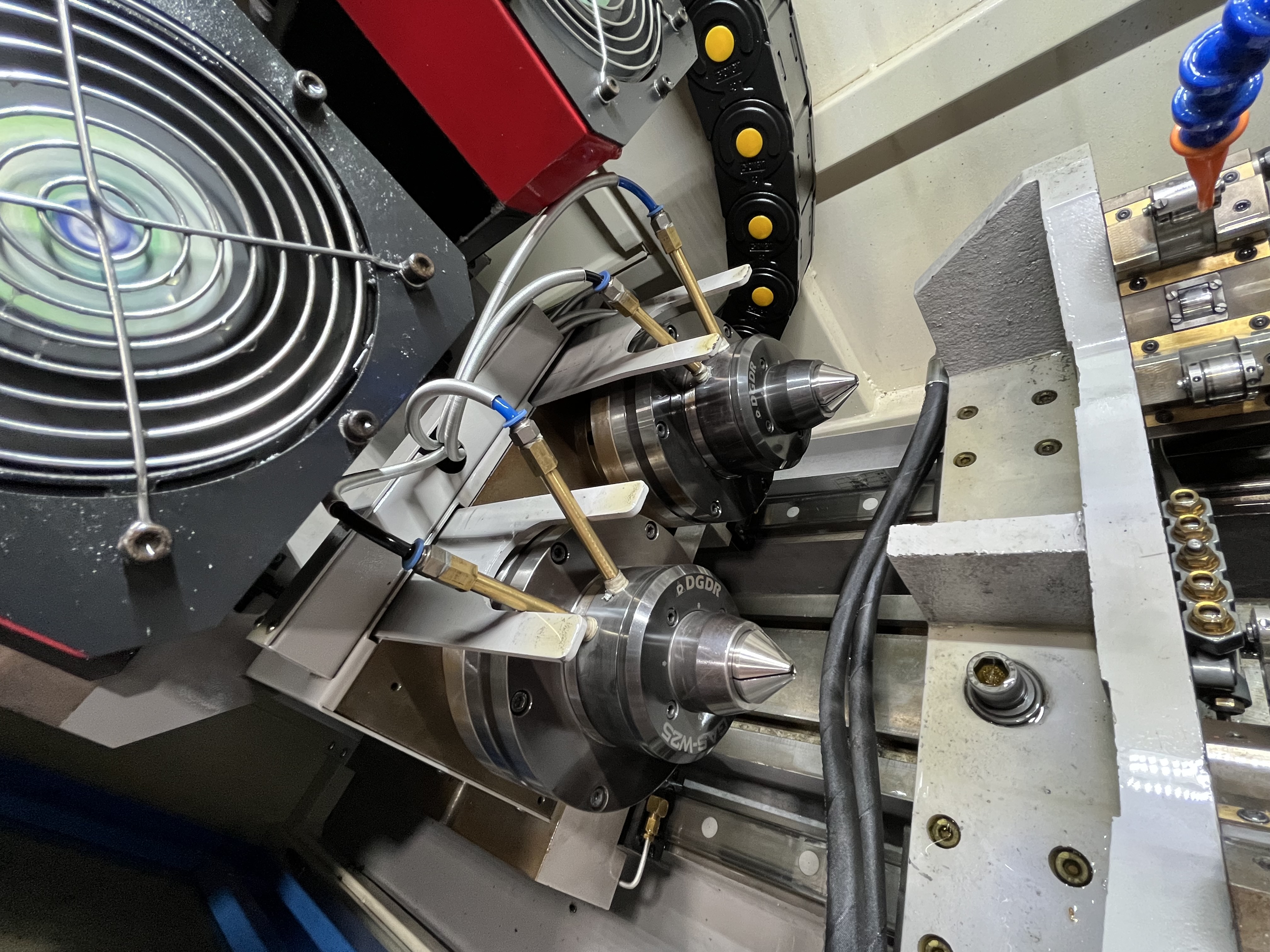
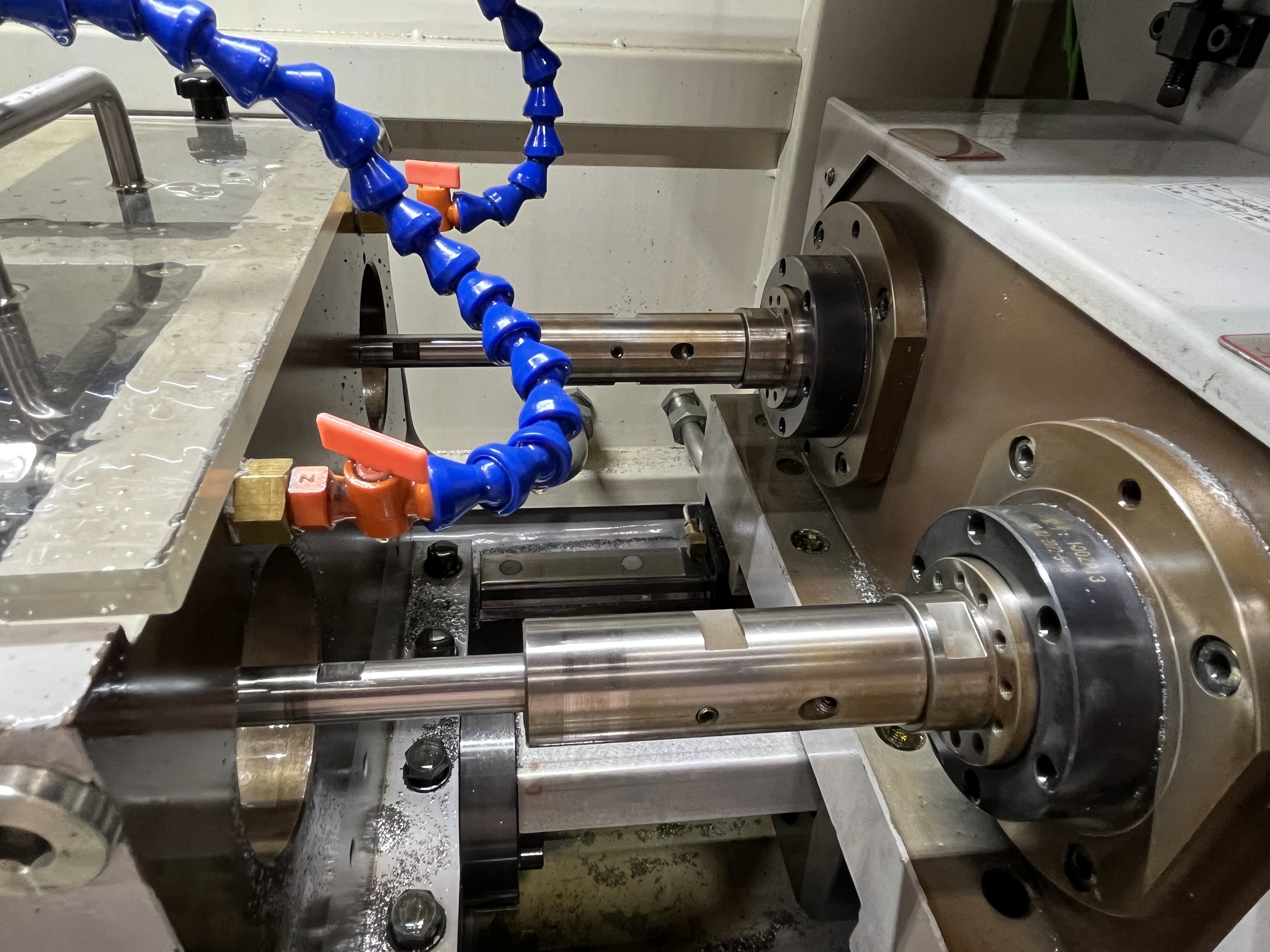
The thru-spindle coolant system is the circulatory system of a deep hole drilling machine. When it fails, you lose coolant pressure, which means chip evacuation stops, which means a broken drill in the bore. I have seen repair bills above $15,000 for a single rotating union failure, not counting the downtime. Keeping this system running is not complicated, but it does require consistent attention. Components of the Thru-Spool System The typical setup includes a rotating union (sometimes called a coolant inductor) mounted at the top or rear of the spindle, a draw tube running through the spindle bore, and sealing elements at both ends. Some machines use a stationary coolant gland and a rotating adapter. Either way, three critical components need regular inspection. ...

June 16, 2026 · Engineer at the Deep Hole

Anti-Foam Additives: Types and Effectiveness

Problem Description Foaming in high-pressure coolant systems is a persistent issue in deep hole drilling. I have watched a perfectly good 80-bar coolant system turn into a frothy mess that could not clear chips from a 12 mm hole. The air bubbles compress under the high pressure and expand at the nozzle, reducing the effective cooling and lubrication at the cutting zone. When the coolant aerates, chip evacuation is the first thing to fail. ...

June 12, 2026 · Engineer at the Deep Hole

Coolant Foaming: Causes and Solutions in Deep Hole Drilling

Problem Description Foaming robs a high-pressure coolant system of its ability to evacuate chips. The air bubbles in foam take up volume that should be occupied by liquid coolant. I’ve watched a foaming system lose 35% of its chip-carrying capacity — the chips stopped flowing out of the bore and started packing. In deep hole drilling, where chip evacuation depends entirely on coolant flow, foaming is one of the most disruptive problems you can encounter. ...

June 12, 2026 · Engineer at the Deep Hole

Coolant Leak Detection and Repair in Deep Hole Drilling Machines

Problem Description A coolant leak at 80 bar doesn’t stay small for long. I’ve seen a pinhole leak in a high-pressure hose grow to a 5 mm tear within 30 minutes of operation. The leak drops system pressure by 20-30 bar, chip evacuation stops, and the drill starts rubbing. In deep hole drilling, coolant pressure is everything — a leak that drops pressure by even 10 bar can turn a good bore into a scrap part. ...

June 11, 2026 · Engineer at the Deep Hole

Coolant System Problems in Deep Hole Drilling

Problem Description The coolant system is the heart of any deep hole drilling operation. When it works, the process runs smoothly. When it doesn’t, drills break and scrap piles up fast. I’ve traced roughly 70% of my tool breakage incidents back to coolant system issues rather than cutting parameters or material problems. The three most common failures I see are low pressure at the tool tip, clogged filters, and external leaks. Low pressure causes chip packing inside the bore — chips can’t evacuate and the drill jams. Clogged filters slowly strangle flow until the system can’t maintain pressure. Leaks rob pressure and make a mess of the shop floor. ...

June 11, 2026 · Engineer at the Deep Hole