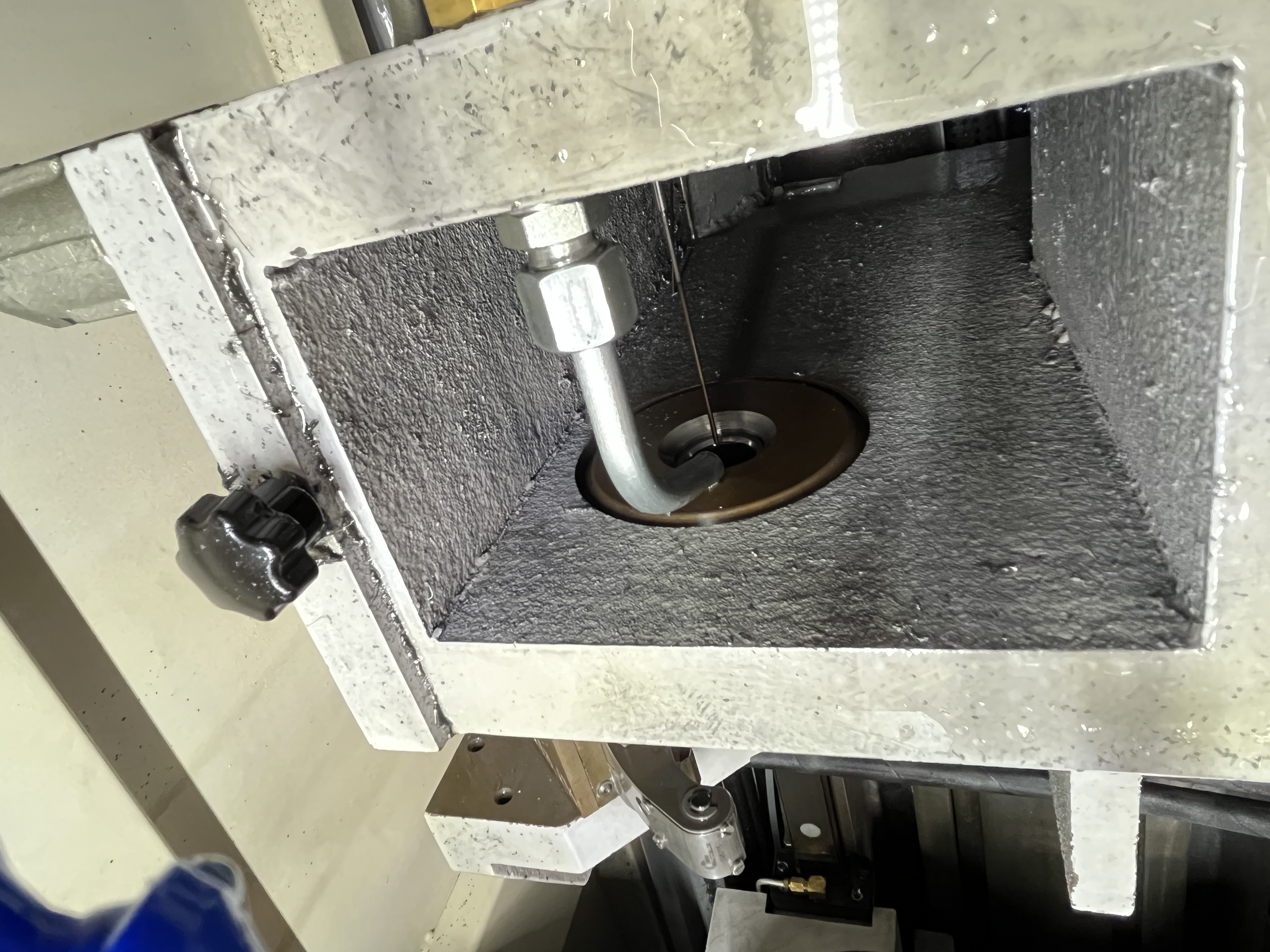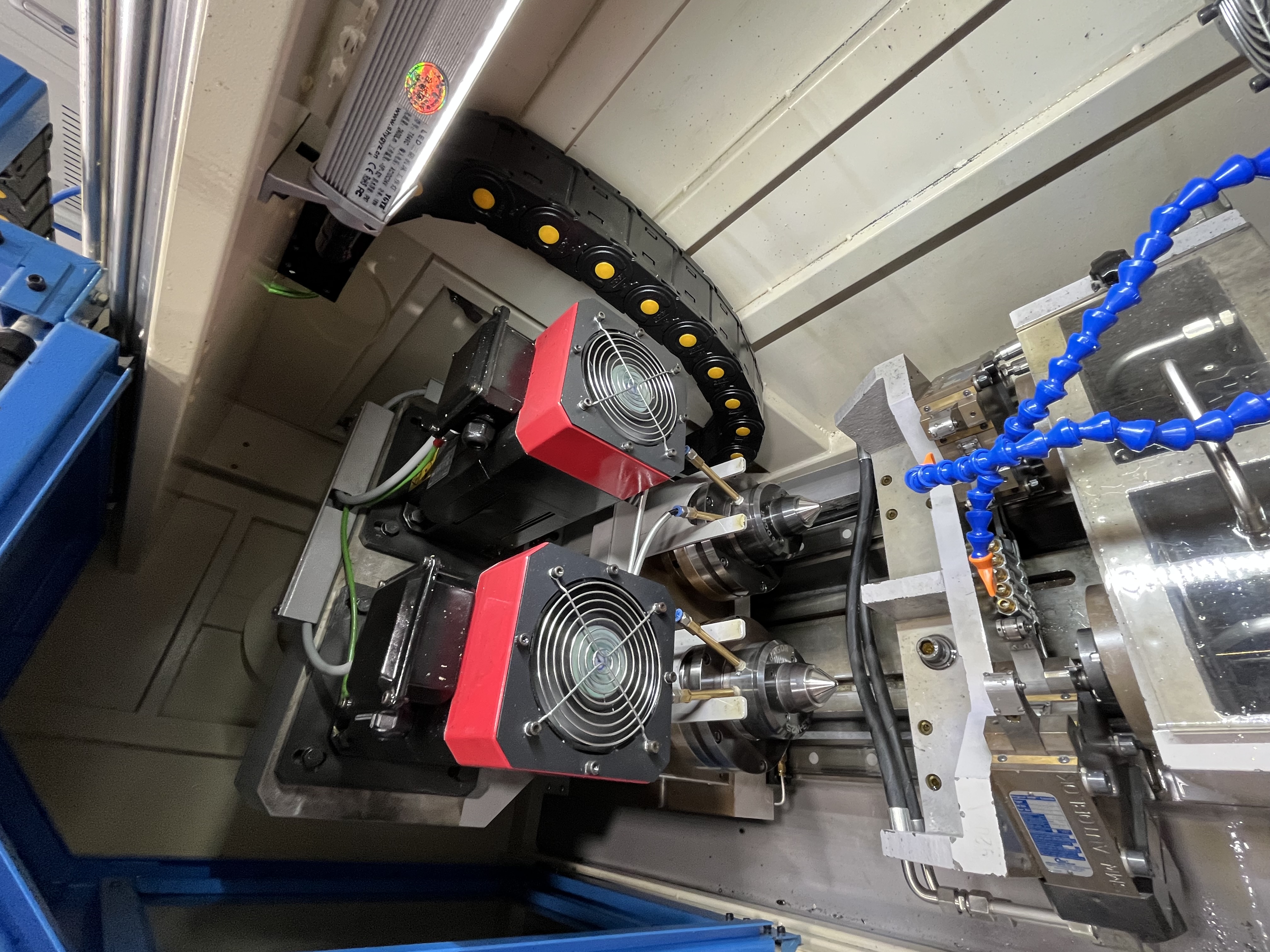
Deep Hole Drilling for Valve and Pump Components

Valves and pumps are everywhere in industrial equipment, and they all need deep holes drilled in them. From the valve body or pump housing to the spool bores and piston bores inside, the quality of the deep hole drilling determines whether the component seals properly or leaks. I have worked on valve and pump components for oil and gas, hydraulic systems, chemical processing, and water treatment. The requirements vary by industry, but the drilling principles are similar across all of them. ...
June 16, 2026 · Engineer at the Deep Hole

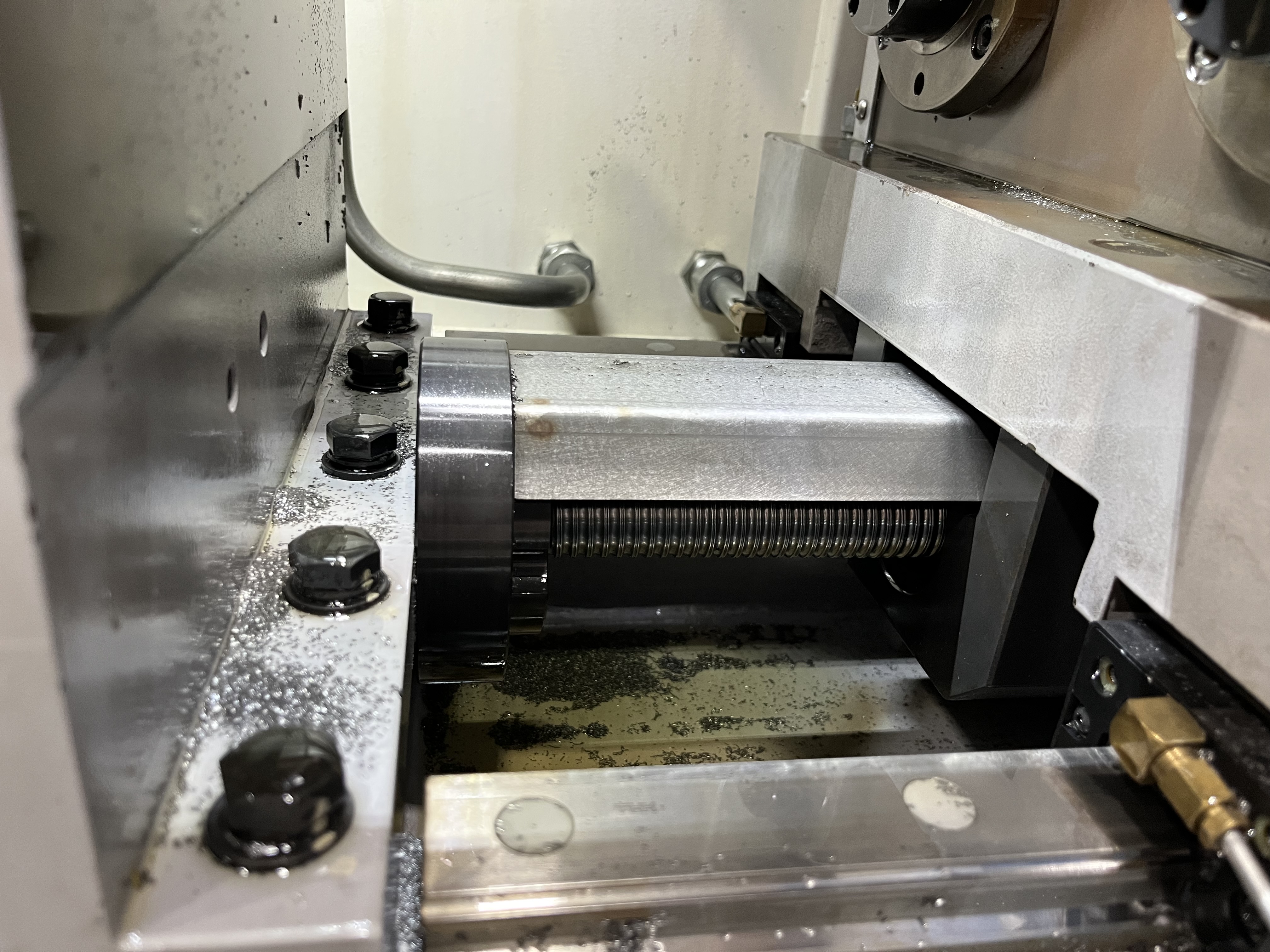
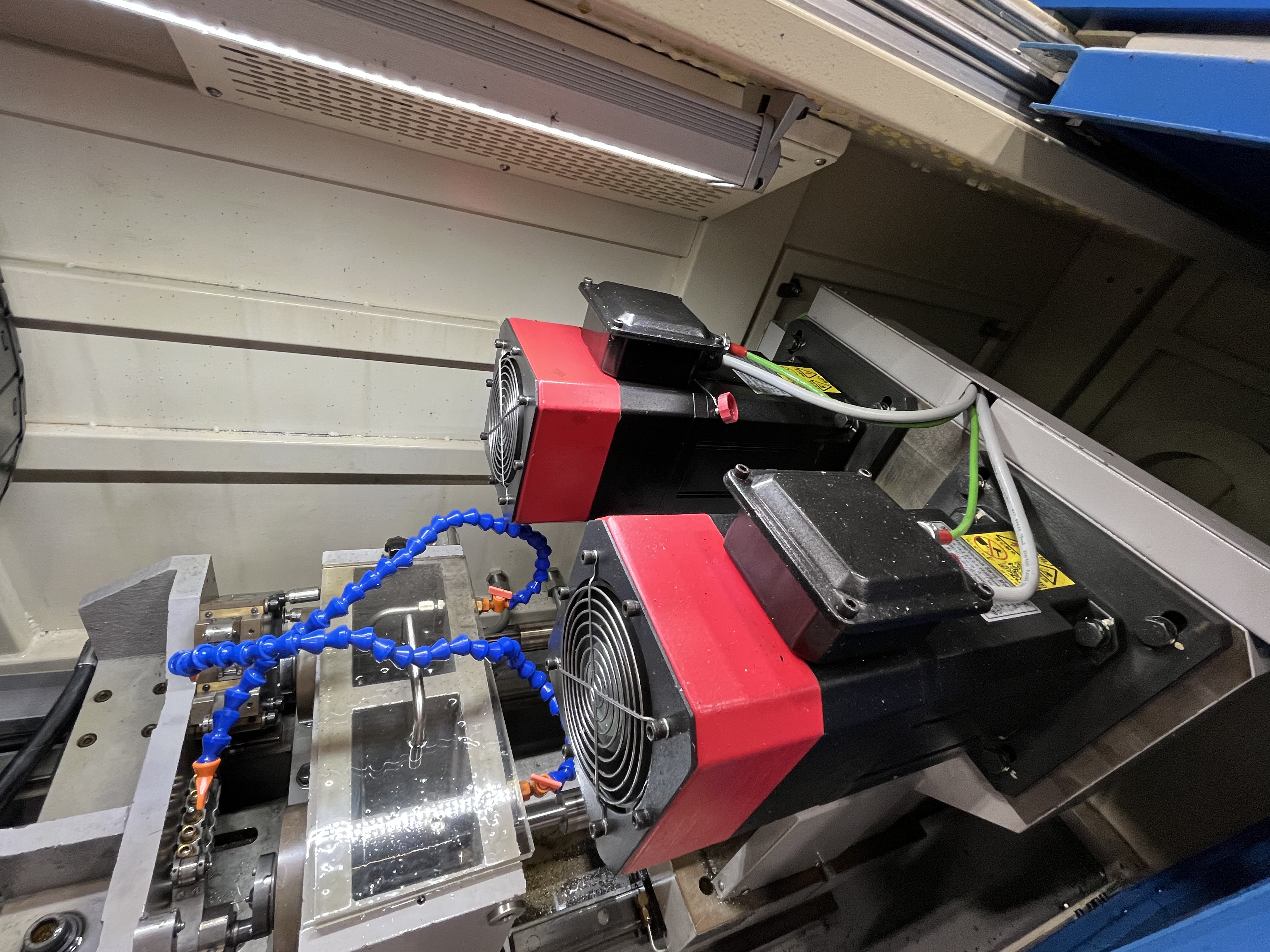
Forklift Mast Cylinder Deep Hole Drilling

Forklift mast cylinders lift and tilt the forks. These cylinders operate at high pressure and need reliable seal performance. The bore quality directly affects the lifting capacity and service life. In my experience, even a 0.05mm deviation in bore roundness can cut seal life in half. Bore Geometry and Material Selection A typical mast cylinder has a 60-120mm bore through 500-1500mm of barrel. The material is usually cold-drawn seamless steel tube or forged steel. The surface finish requirement is Ra 0.8um for good seal life. ...

June 16, 2026 · Engineer at the Deep Hole

Roll Form Tapping After Deep Hole Drilling

What Is Roll Form Tapping Roll form tapping (also called thread forming or cold forming) creates threads by displacing material rather than cutting it. The tap has no cutting edges or flutes. Instead, it has lobes that push the material into the thread form as the tap rotates and advances into the hole. This process is particularly useful after deep hole drilling because there are no chips to evacuate from the bore. In deep holes, a conventional cut tap produces long stringy chips that pack in the flutes and can seize the tap. Roll form tapping eliminates this problem entirely. ...

June 16, 2026 · Engineer at the Deep Hole

Deep Hole Drilling for Aerospace Hydraulic Systems

Aerospace hydraulic actuators are similar to industrial cylinders but with tighter tolerances and more exotic materials. I covered industrial hydraulic cylinders in an earlier post; this is about the aerospace version. The jump from industrial to aerospace is not just about hitting tighter numbers – it changes how I plan the entire drilling operation from setup to inspection. The main differences are material, tolerance, and documentation. The material is typically 15-5PH stainless steel instead of 42CrMo4. The tolerance is +0.005mm instead of +0.02mm. Every part gets tracked by serial number with full inspection records. These factors multiply the setup time and require a more disciplined approach to the drilling process. ...

June 12, 2026 · Engineer at the Deep Hole