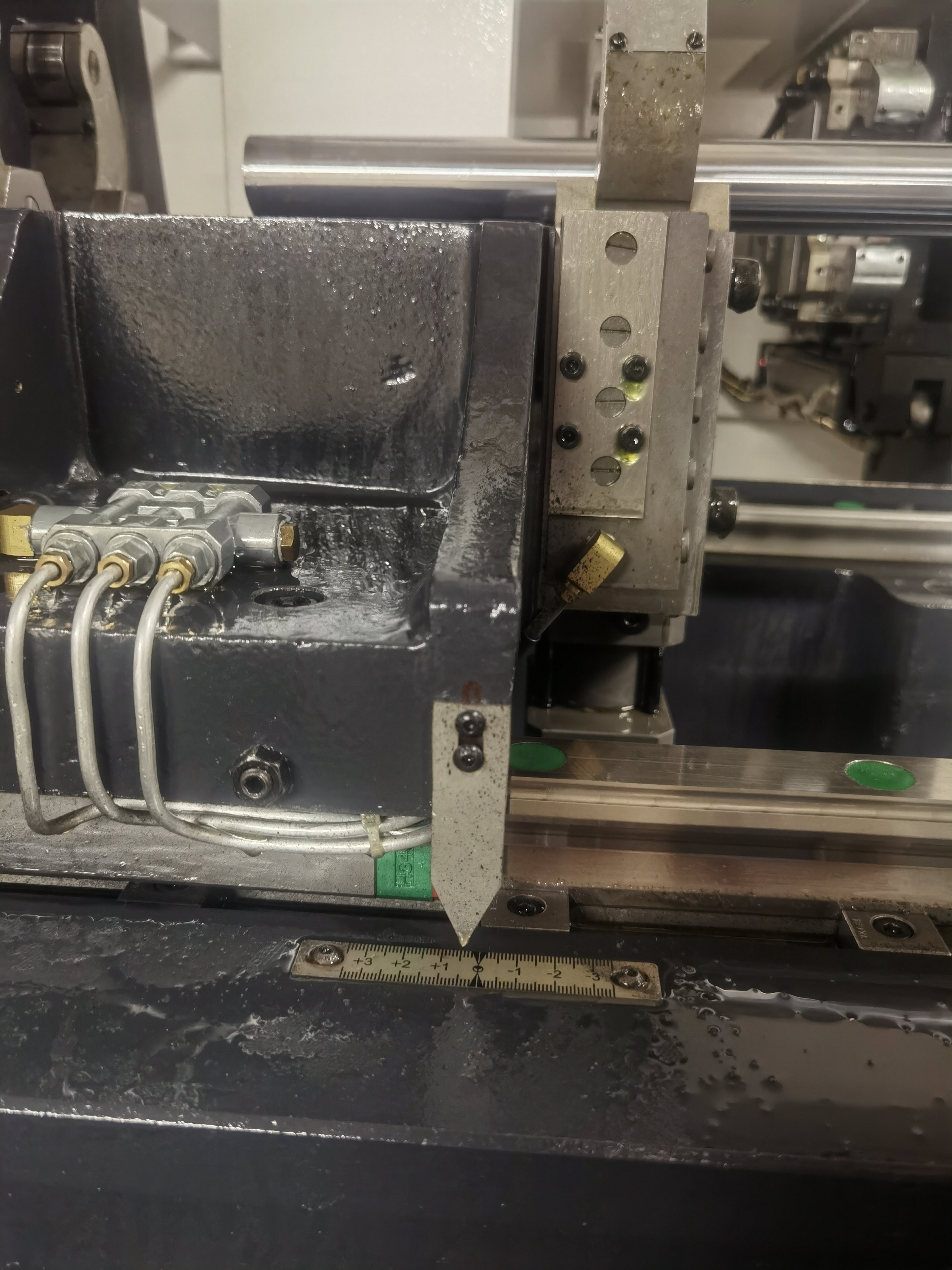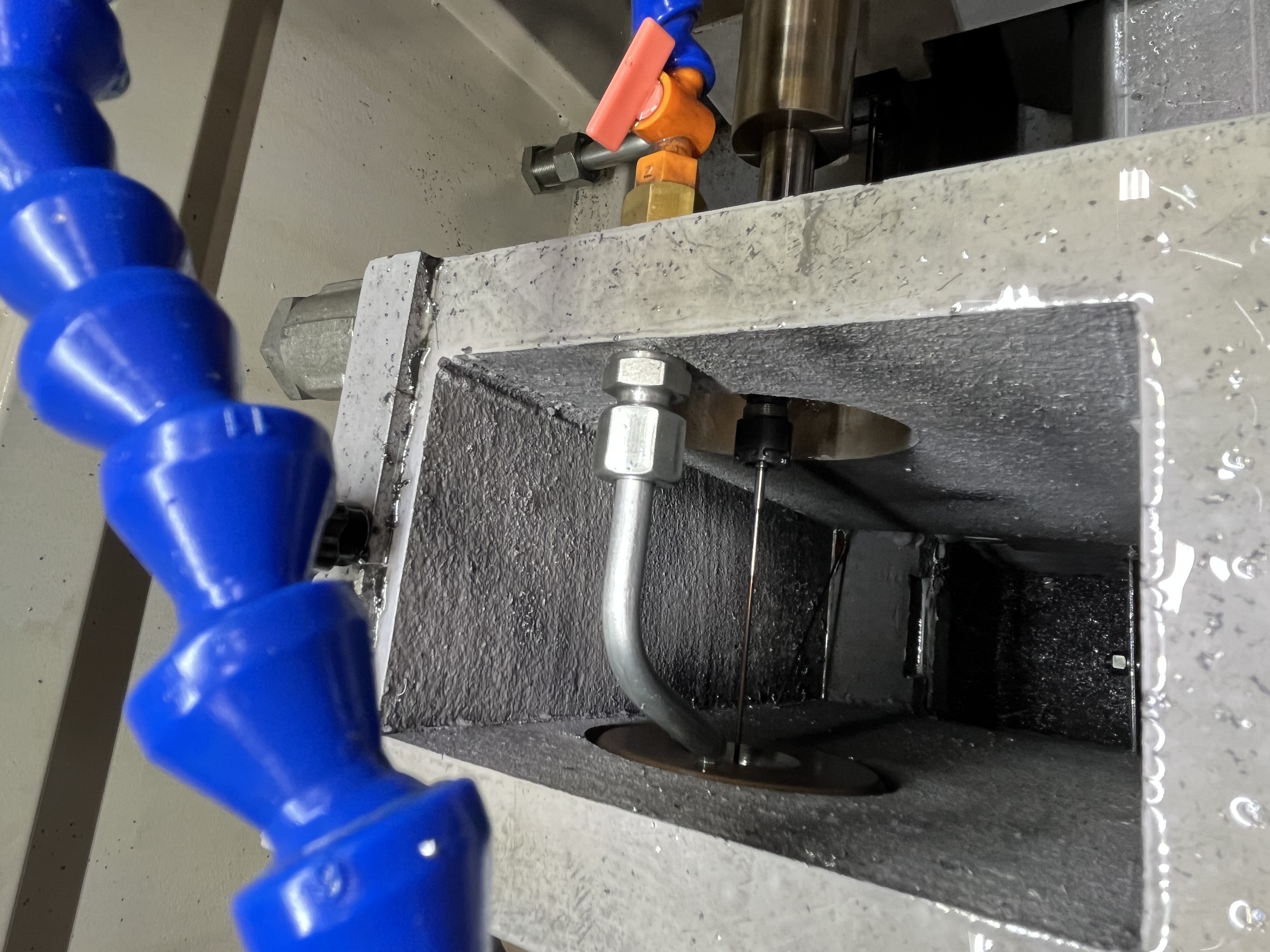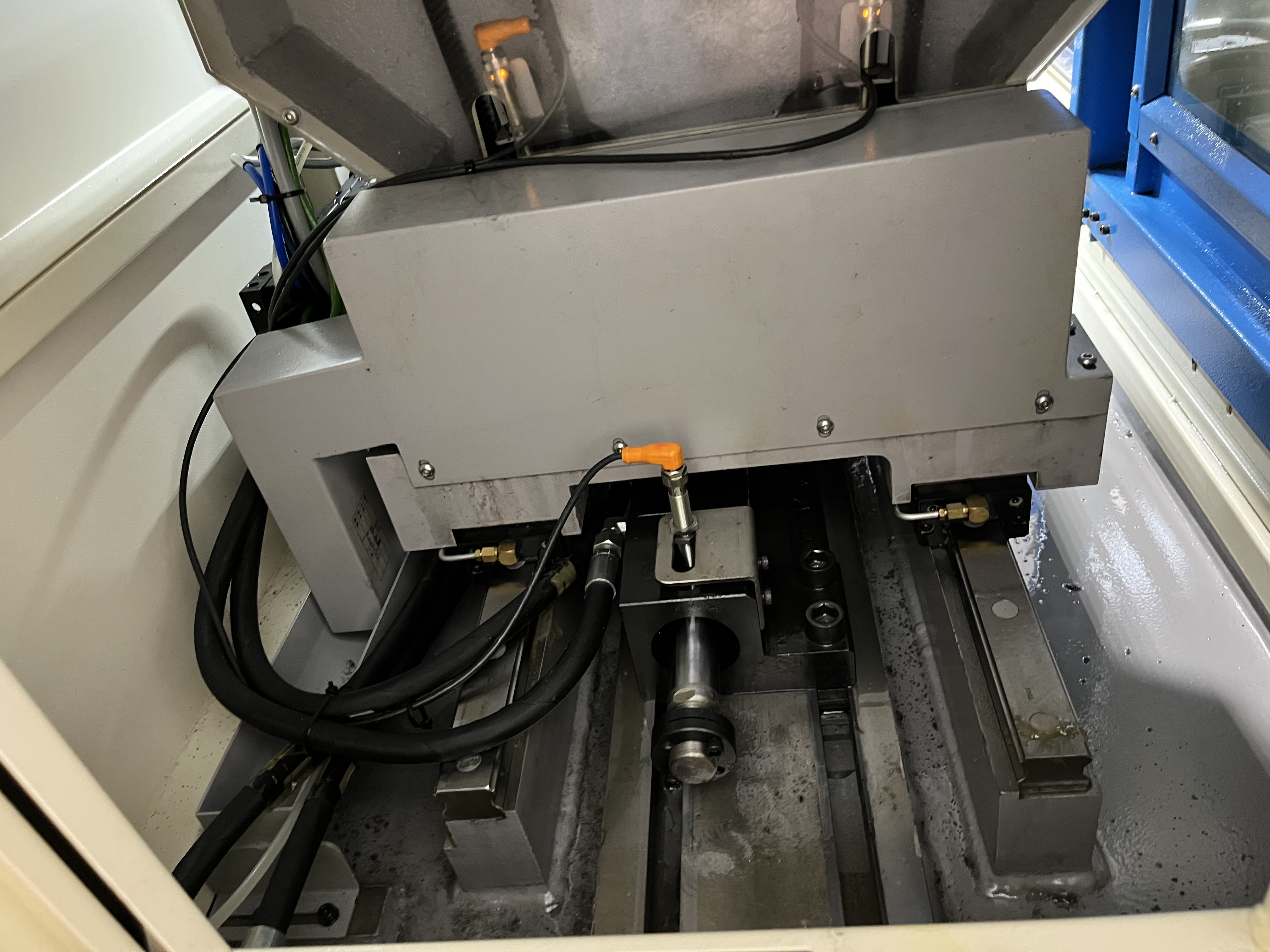
Heat Management in High-Temperature Alloy Drilling

Heat management is the main challenge when drilling high-temperature alloys. These materials retain heat at the cutting edge instead of letting it dissipate through the chip. The heat at the cutting edge can exceed 1000 degrees C in the cutting zone. This heat degrades the tool edge rapidly, and once the cutting edge goes, the tool fails within seconds. I’ve learned that the key is removing heat as fast as it is generated. If you let the heat accumulate, the tool fails within seconds. Here is my approach to keeping the cutting zone cool when drilling superalloys like Inconel 718, Waspaloy, and Rene 41. ...
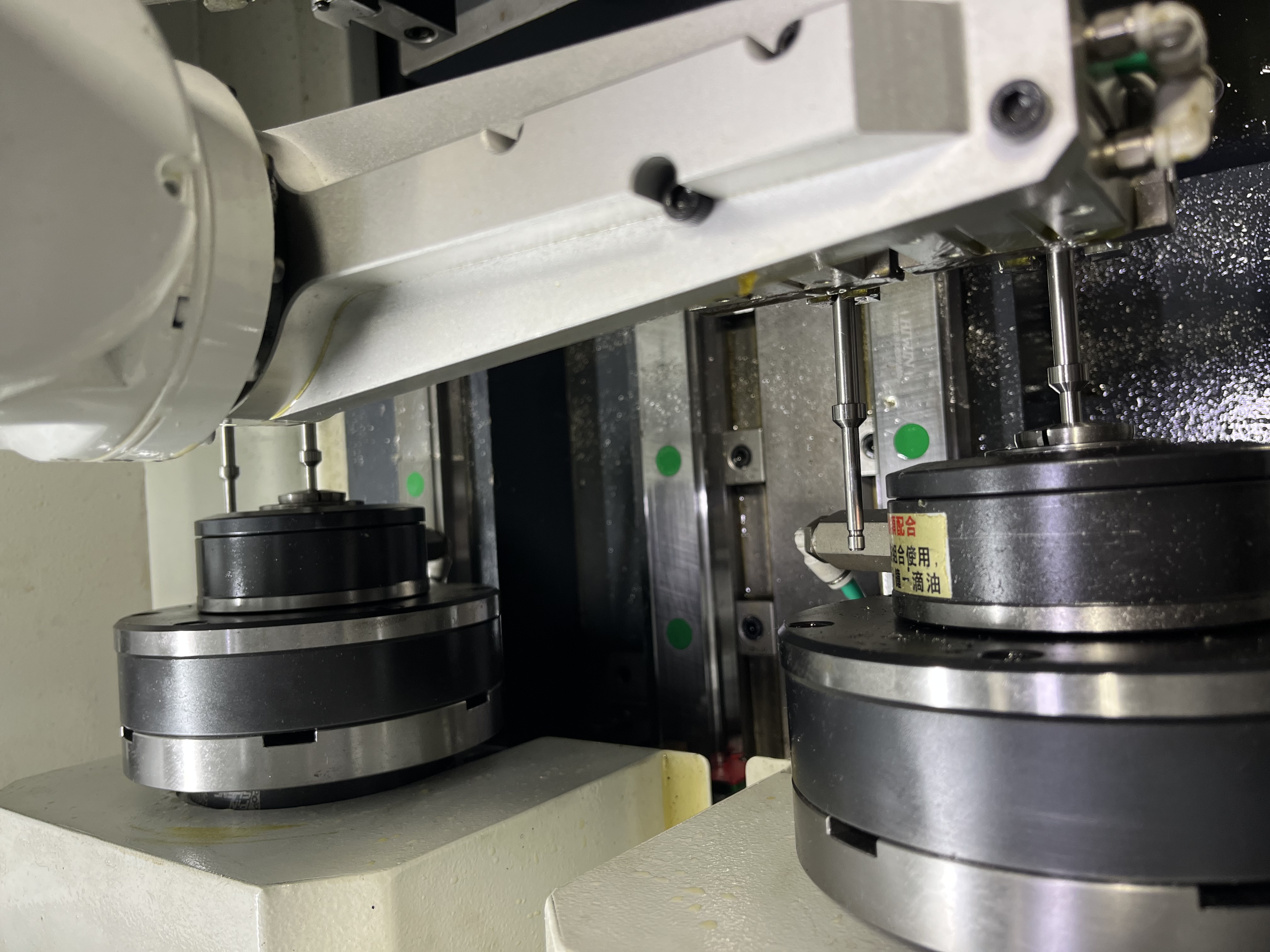
June 16, 2026 · Engineer at the Deep Hole

A Lesson in Patience: Drilling a 500mm Hole at 0.01mm Feed

The job came in on a Wednesday afternoon. Aerospace customer, one of those jobs where the purchase order has more paperwork than the print does. The part was a Inconel 718 flange, about 150mm in diameter and 500mm long. It needed a 6mm through-hole drilled straight through the center. Tolerance on position was 0.1mm at depth, surface finish Ra 0.8. Standard stuff for that industry, except for the material. Inconel 718 is not forgiving. It work-hardens, it retains heat, and it eats cutting tools for breakfast. The recommended cutting speed for deep hole drilling in Inconel with carbide is around 40 meters per minute, which works out to about 2,100 RPM on a 6mm drill. The recommended feed is 0.02 mm/rev, which gives you a penetration rate of roughly 42mm per minute. At that rate, a 500mm hole should take about 12 minutes. ...

June 12, 2026 · Engineer at the Deep Hole

Deep Hole Drilling for Aerospace: Titanium, Inconel, and Tight Tolerances

Aerospace deep hole drilling is the most demanding work I’ve done. The materials are expensive, the tolerances are tight, and the cost of a scrapped part can be five figures. Every hole needs to be right the first time. The main applications I’ve seen are landing gear components, engine shafts, and hydraulic actuators. They all have the same challenge: deep holes in tough materials with no margin for error. The Material Challenge Aerospace parts are typically titanium (Ti-6Al-4V), Inconel (718 or 625), or high-strength steel like 300M. All of them are harder to drill than standard engineering materials. ...

June 11, 2026 · Engineer at the Deep Hole

Deep Hole Drilling in Difficult Materials: Stainless, Titanium, Inconel

Difficult materials need different parameters than standard steel. I have drilled all three of these materials extensively. Each one presents unique problems that require specific solutions. The common thread across all difficult materials is heat management and work-hardening. Here is my detailed approach for stainless steel, titanium, and Inconel. Material Difficulty Rating Before I get into the specifics, I want to lay out a difficulty framework. Not all difficult materials are equally hard to drill, and the ranking matters for quoting and tooling decisions. I rate materials on a 1-10 scale based on tool wear rate, achievable penetration rate, and coolant pressure requirements. ...

June 11, 2026 · Engineer at the Deep Hole

The Time a Customer Asked for the Impossible

A customer called me on a Tuesday afternoon. They had a part redesign on their hands and needed a 1mm diameter hole drilled through 400mm of Inconel 718. I asked them to repeat those numbers because I thought I had misheard. They had not misheard. A 1mm hole through 400mm of material gives a length-to-diameter ratio of 400 to 1. For context, a standard gun drill with a 1mm diameter has a flute length of roughly 150mm before the brazed joint at the shank. Going 400mm deep means the drill would need to cut 250mm past the end of its own flute support. ...

June 11, 2026 · Engineer at the Deep Hole