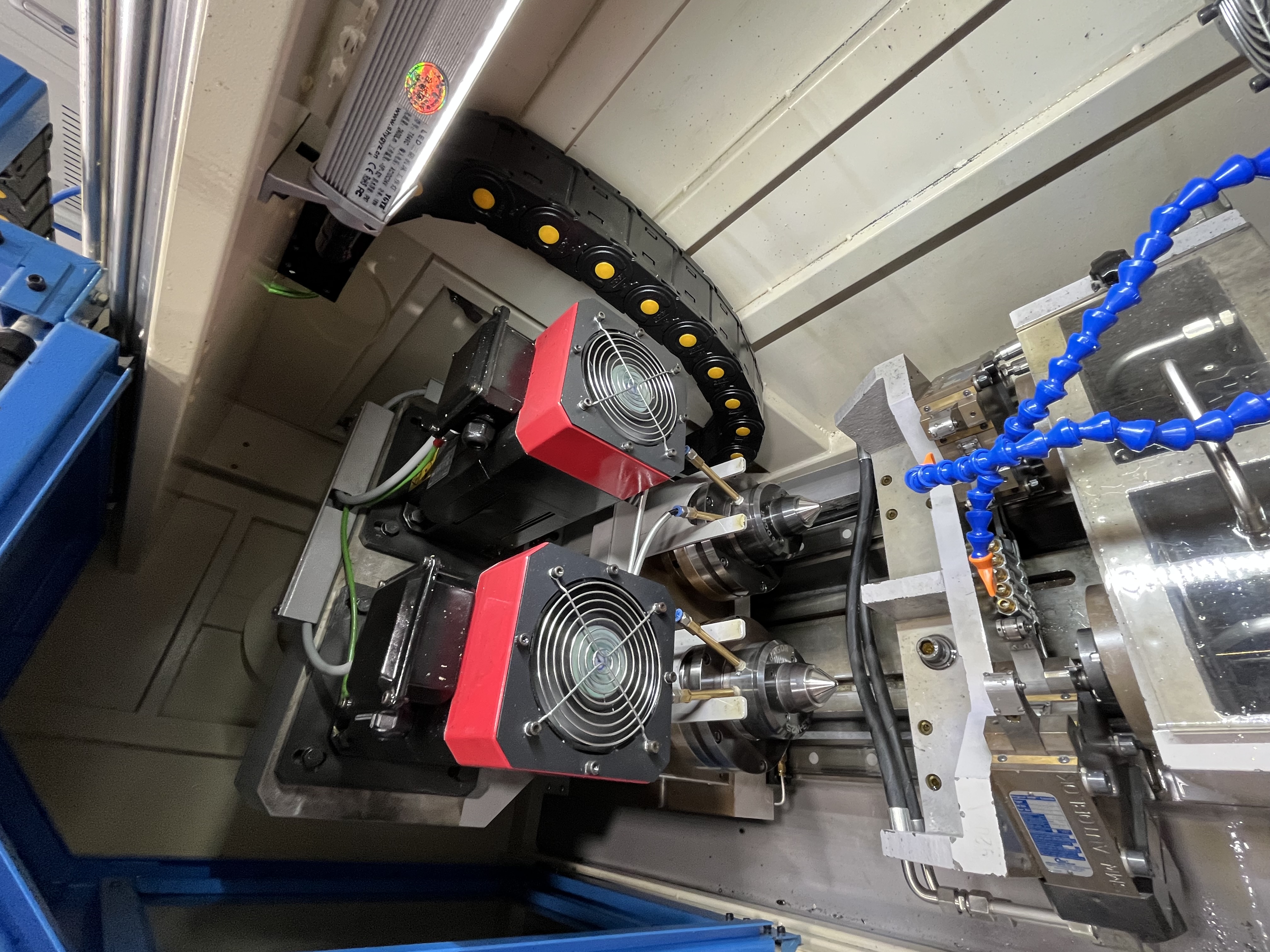
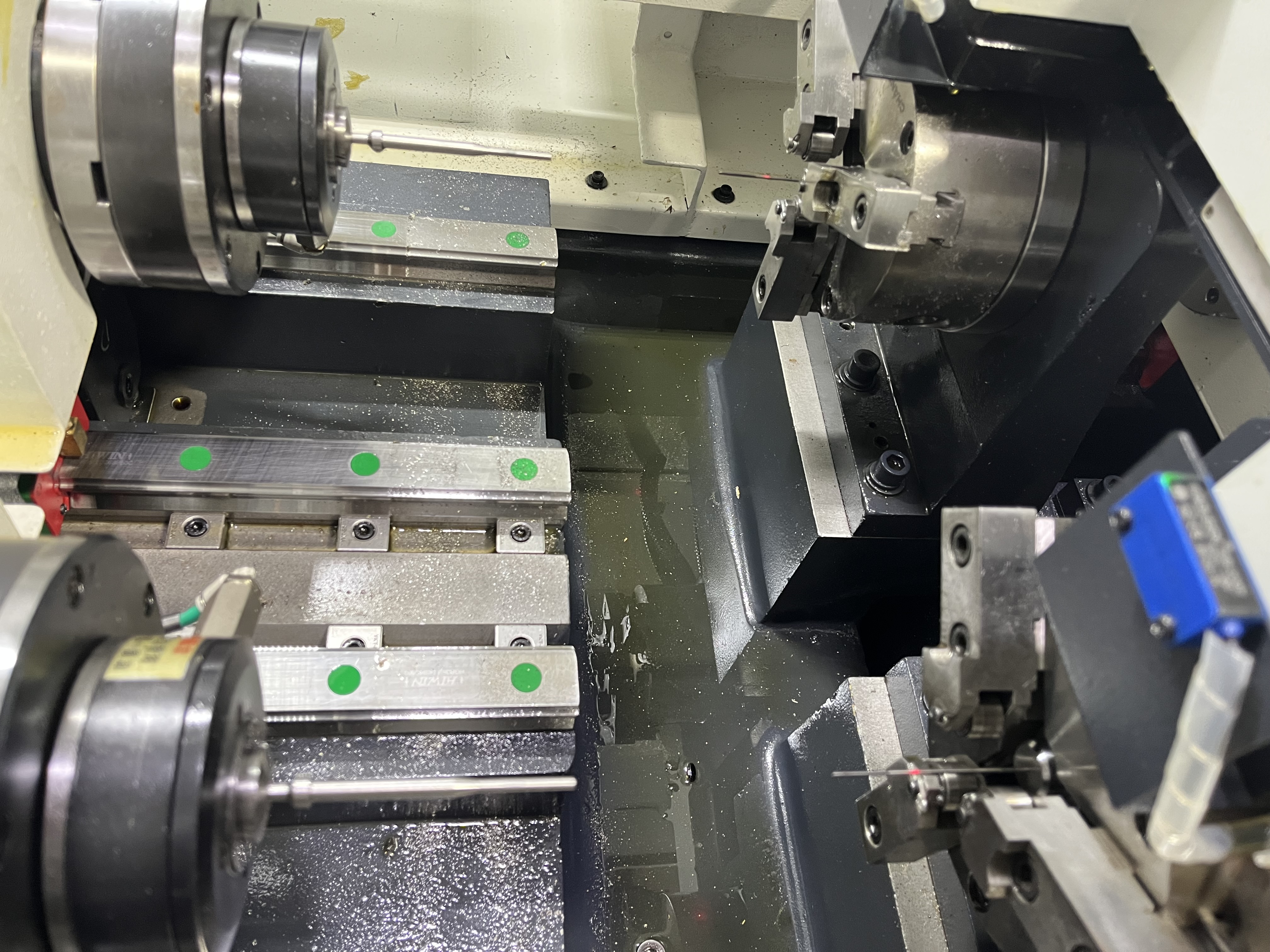
Deep hole drilling machines have specific safety requirements due to the high-pressure coolant, rotating parts, and cutting forces involved. I’ve worked with machines that met modern safety standards and with older machines that had minimal safety features.
Here’s what I’ve seen matter in practice.
The Main Hazards Deep hole drilling machines present several hazards:
High-pressure coolant. Coolant at 2000 psi can inject through the skin. This is the most serious hazard specific to deep hole drilling. Rotating parts. The spindle, drill tube, and workpiece rotate at high speeds. Entanglement is a risk. Chips. Hot, sharp chips with enough force to cause burns and cuts. Heavy parts. Workpieces can weigh hundreds of kilograms. Handling them requires proper lifting equipment. Noise. Machines running at high RPM and high coolant flow generate significant noise. Safety Features I Look For Feature Purpose Required? Interlocked doors Prevent access to the work zone while the machine is running Yes Coolant pressure relief Prevents over-pressurization of the coolant system Yes Emergency stop Stops all machine motion immediately Yes Light curtain Stops the machine if the operator reaches into the work zone Recommended Chip shield Protects the operator from flying chips Yes Coolant splash guard Contains high-pressure coolant spray Yes Spindle brake Stops the spindle quickly after an emergency stop Recommended Fire suppression Extinguishes coolant mist fires Recommended The most important safety feature for deep hole drilling is the interlocked door and the coolant pressure monitoring. A machine that runs with the door open is a danger to the operator.
...