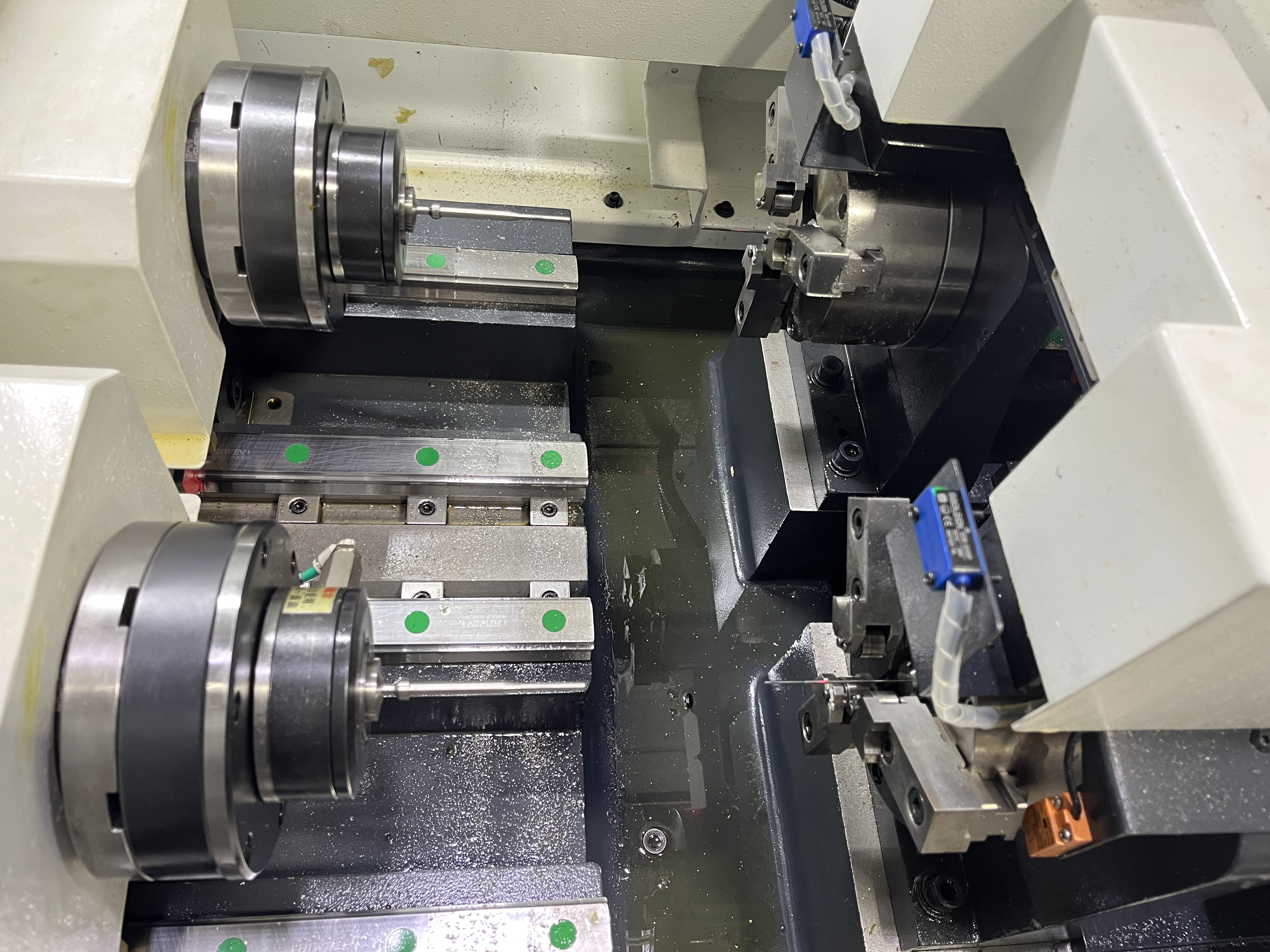
Support Methods for Thin Wall Stainless Steel Tubing

Thin wall stainless steel tubing is used in sanitary, pharmaceutical, and food processing applications. The wall thickness is often 2-5mm with a bore diameter of 20-60mm. The challenge is supporting the tube without collapsing it. I have worked with 304L, 316L, and 2205 duplex tubing across wall thicknesses from 1.5mm to 6mm, and the support method changes for each combination of diameter and wall. The cutting forces from gun drilling push the tube wall inward. If the wall is not supported, the tube collapses. Once collapsed, the tube is scrap — there is no recovering a collapsed thin wall tube. The support method must be rigid enough to resist the cutting forces but compliant enough not to mark or distort the tube surface. ...
June 16, 2026 · Engineer at the Deep Hole

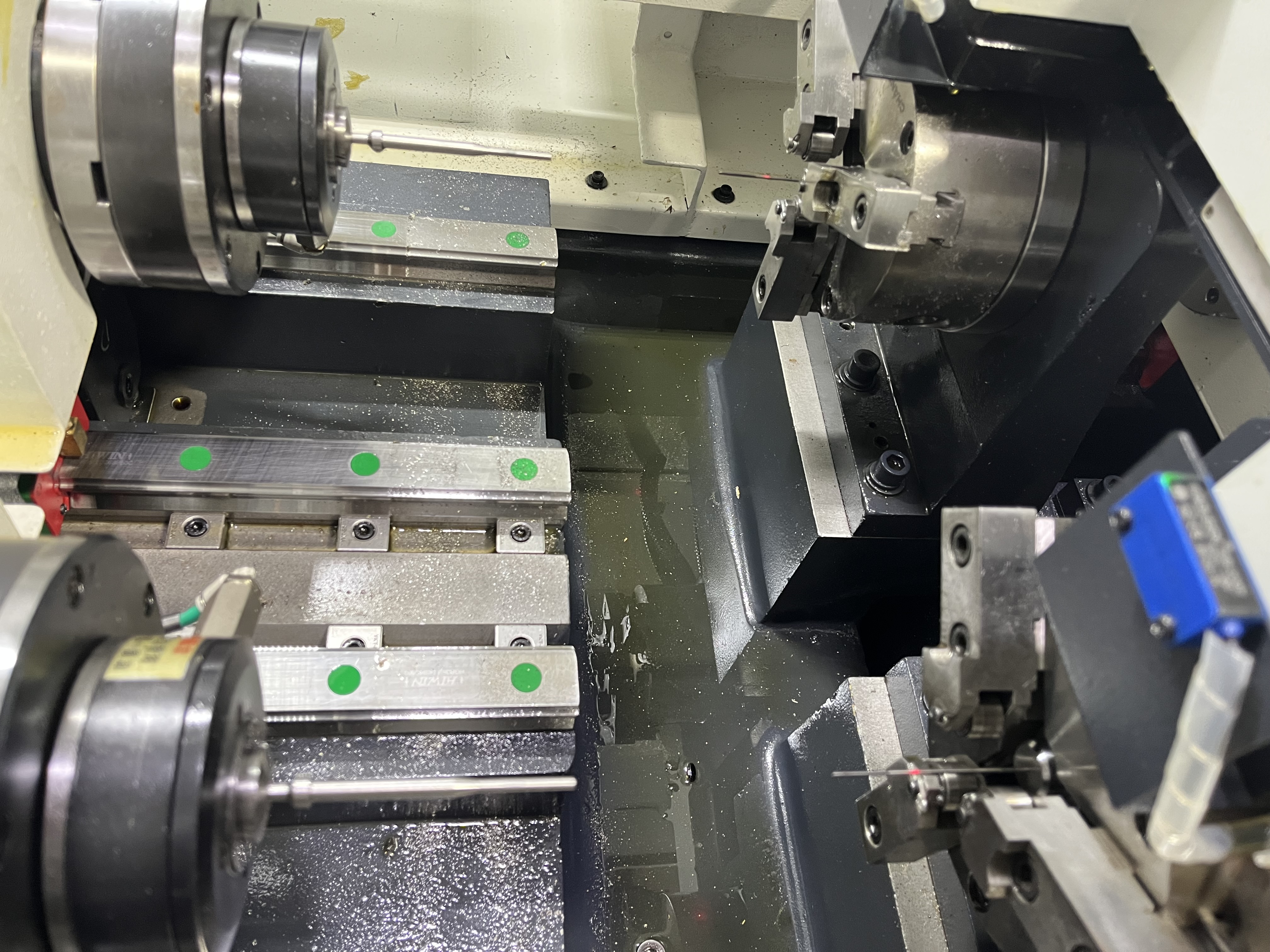
Drilling Thin Wall Tubes: Support and Parameters

Internal Support Methods for Thin Wall Tubes Thin wall tubes are challenging for deep hole drilling because the wall can collapse under cutting forces and the tube vibrates easily. I use internal support and reduced parameters to manage these issues. Over the years, I have developed several support strategies that work reliably across different tube sizes and materials. I use a mandrel inside the tube for internal support. The mandrel fits the tube ID closely and prevents the wall from deflecting. The mandrel has a center hole that allows the drill to pass through while supporting the tube wall immediately around the cutting zone. I make my mandrels from hardened tool steel with a polished OD to reduce friction. A well-fitted mandrel reduces bore runout by 50% compared to unsupported drilling. ...

June 12, 2026 · Engineer at the Deep Hole

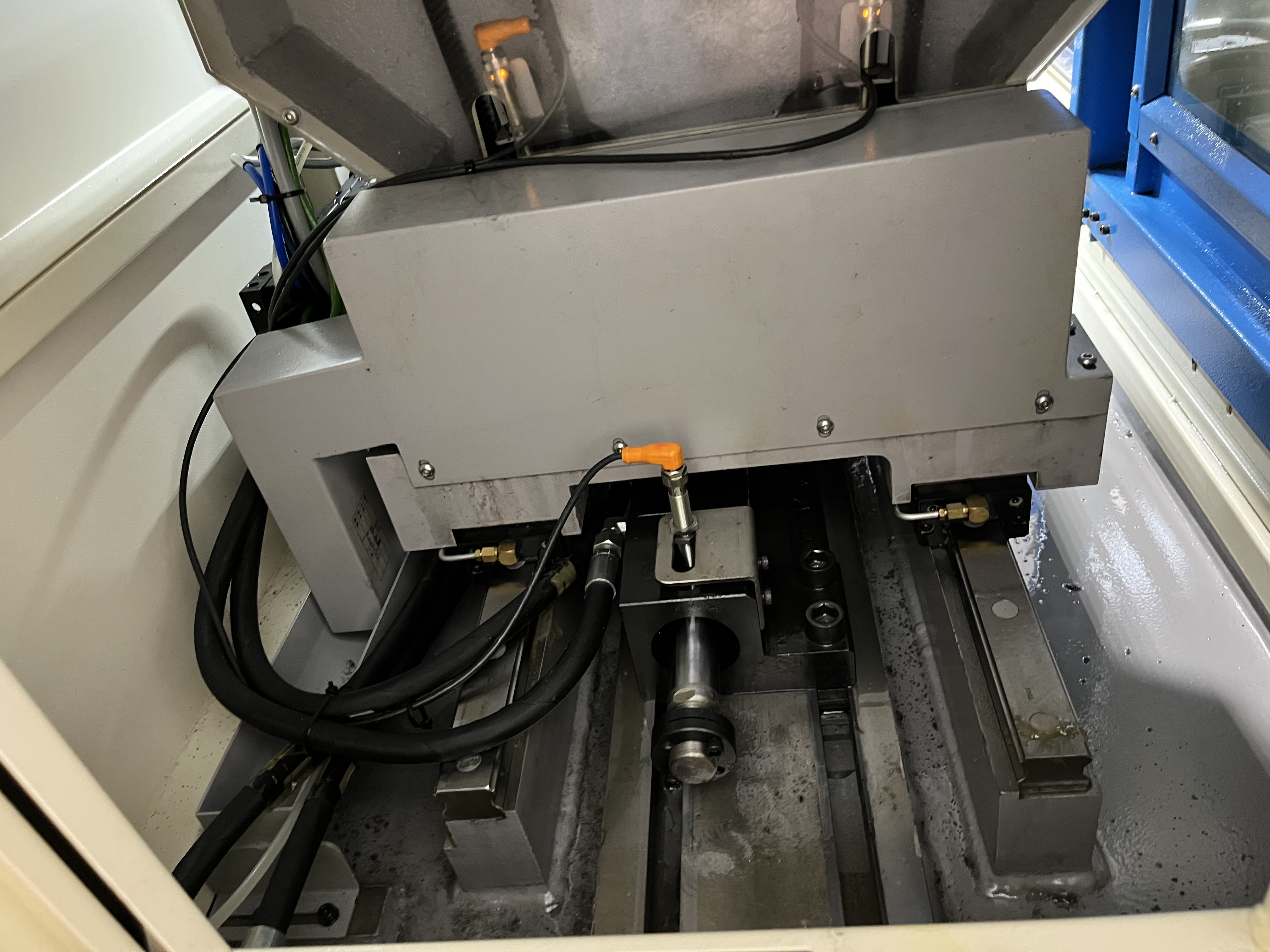
Stainless Steel Thin Wall Tube Drilling Techniques

Thin wall stainless tubes are used in sanitary, pharmaceutical, and food processing applications. The wall thickness is often 3-6mm with a bore diameter of 25-60mm. The challenge is that the tube wall cannot support much cutting force without collapsing. I have drilled thousands of these tubes over the years and developed a specific approach that avoids the common failure modes. The applications I have worked on include dairy processing lines, pharmaceutical transfer tubes, brewery heat exchanger tubes, and clean-in-place manifolds. Each of these applications requires a smooth, crevice-free bore surface. Any surface defect in a sanitary tube becomes a bacteria harborage point. The drilling process has to produce a clean bore without marking the tube OD. ...

June 12, 2026 · Engineer at the Deep Hole