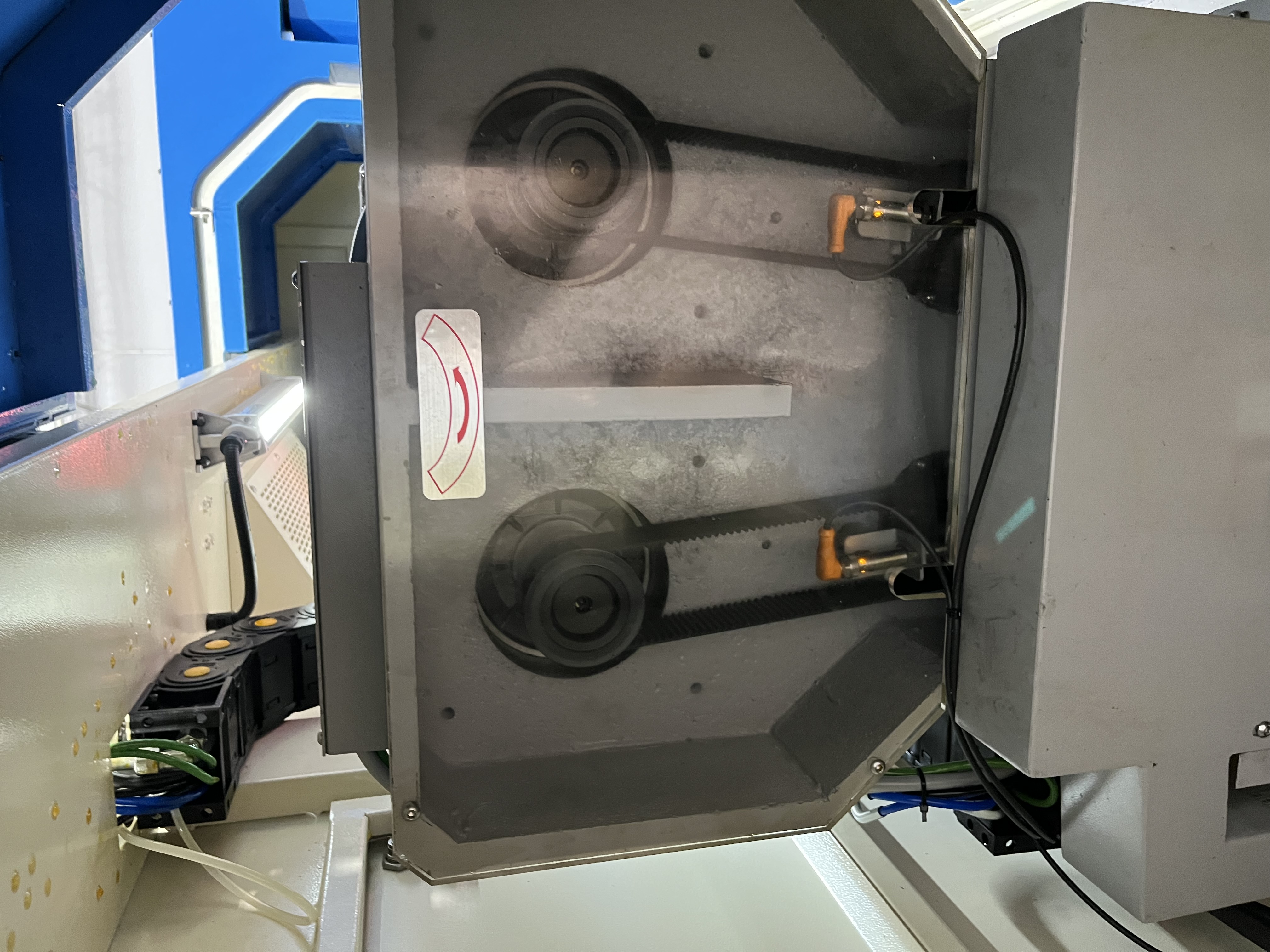
Drilling Heat Exchanger Tube Sheets: Patterns, Precision, and Production

Tube sheets are one of those jobs that look simple but reward careful planning. The concept is straightforward: drill a grid of holes in a thick steel plate. But when the plate has 500 holes and each one needs to be within 0.1mm of its design position, the job is harder than it looks. The oil and gas industry uses the most tube sheets — for shell and tube heat exchangers, condensers, and coolers — but I’ve also seen them in power generation and chemical processing. The principles are the same regardless of the end use. ...
June 16, 2026 · Engineer at the Deep Hole

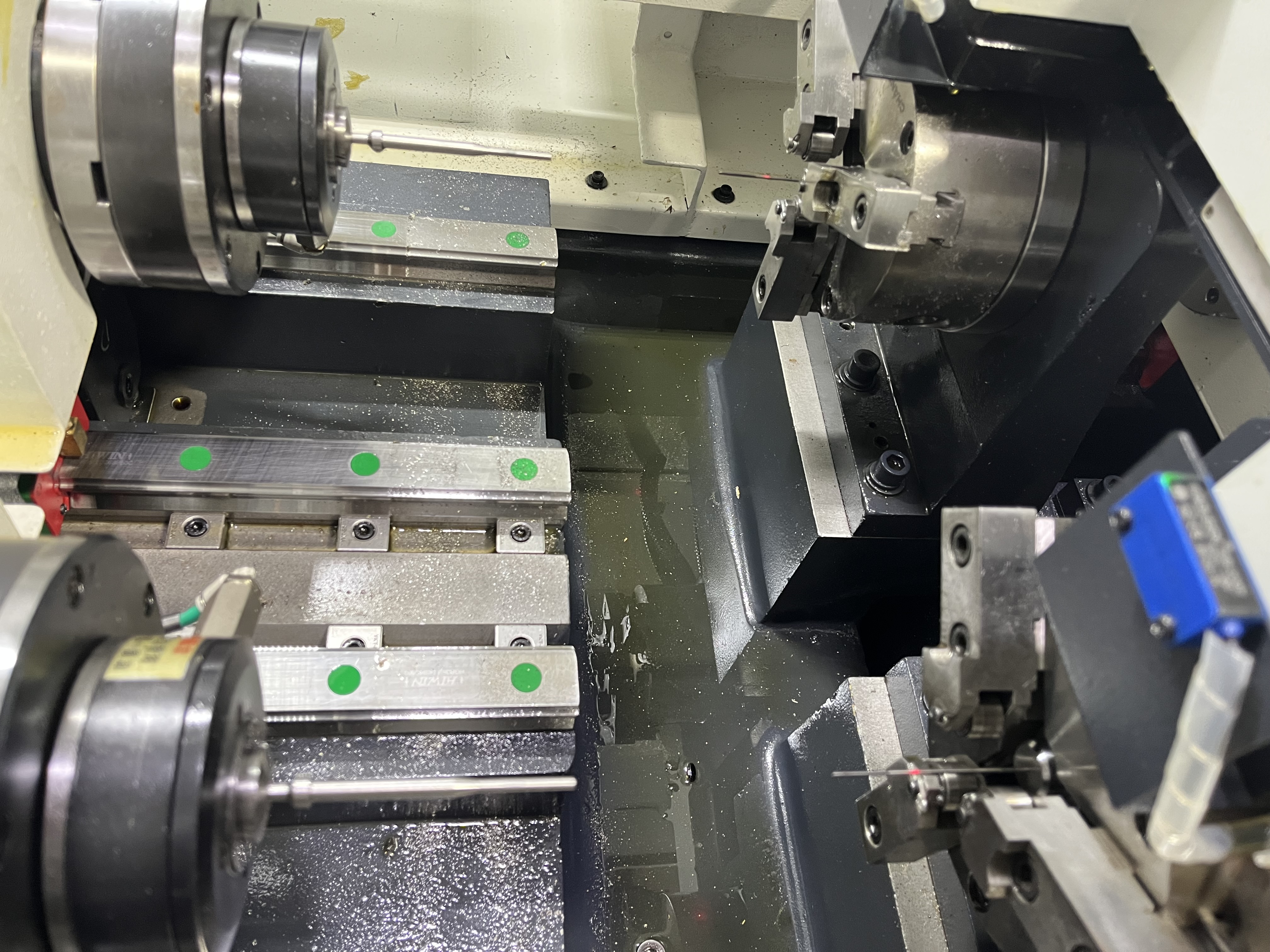
How Material Properties Affect Gun Drill Geometry Selection: Aluminum vs Steel vs Cast Iron

Most operators know to change speed and feed when switching materials. Fewer know that the gun drill geometry itself should change. Running an aluminum-optimized drill in cast iron will produce poor tool life and inconsistent hole quality. Here is what changes and why. How Material Properties Drive Geometry Decisions Three material properties determine the optimal gun drill geometry: Chip formation. Materials that produce long, stringy chips (aluminum, low-carbon steel) need geometry that encourages chip breaking. Materials that produce short, broken chips (cast iron, brass) can use geometry optimized for edge strength. ...

June 16, 2026 · Engineer at the Deep Hole