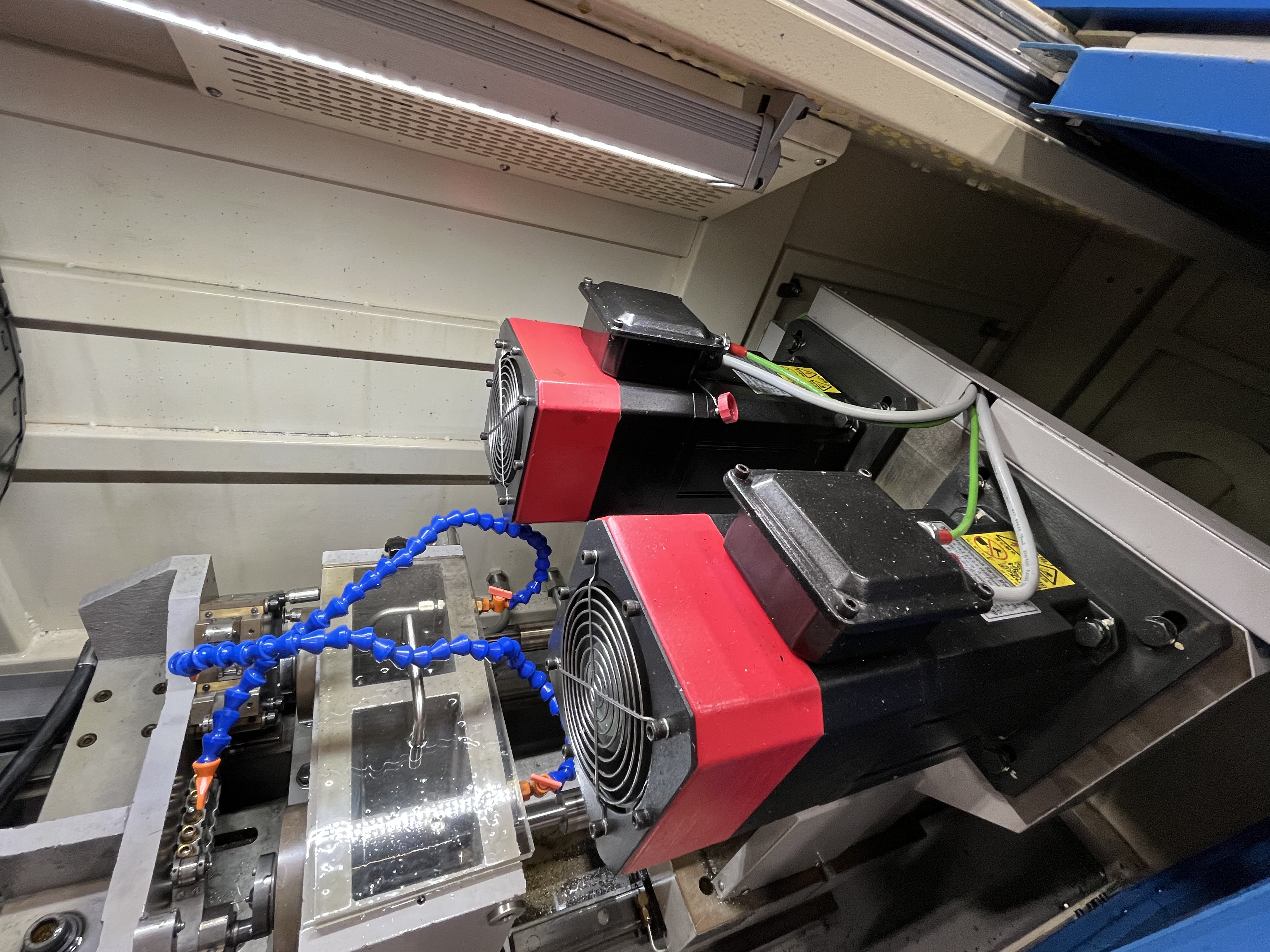
Material Certification Verification for Critical Deep Hole Jobs

Why Certification Verification Matters Material certification verification is not paperwork. It is a quality check that prevents scrapped parts, broken tools, and failed components. I have seen the consequences of skipping this step. A material that does not match the print specification can fail under load, especially in aerospace and medical applications where the margin of safety is small. But even in less critical applications, wrong material causes machining problems. ...
June 12, 2026 · Engineer at the Deep Hole

Material Hard Spots: How to Detect and Handle Them

The Hard Spot Problem Hard spots are localized areas in the material where the hardness spikes well above the nominal range. A piece of 4140 that is 30 HRC overall can have a hard spot at 45 HRC. The drill hits that spot and the cutting edge chips. I have seen this most often in castings and forgings. A casting that cools unevenly develops hard zones where the cooling rate was different. A forging that was not properly stress-relieved after forming has unpredictable hardness distribution. ...

June 11, 2026 · Engineer at the Deep Hole

Supplier Variation: Why Different Steel Batches Drill Differently

The Reality of Material Variation I have seen the same steel grade from the same supplier drill differently from batch to batch. The chemistry is the same on the cert, but the material behaves differently on the machine. This is not a defect — it is a reality of steel making. Steel production is not perfectly repeatable. The melting temperature varies slightly, the cooling rate after rolling varies, and the chemistry has allowable ranges within the specification. These small variations add up to measurable differences in machinability. ...

June 11, 2026 · Engineer at the Deep Hole