Deep Hole Drilling for Medical Bone Screws and Trauma Implants

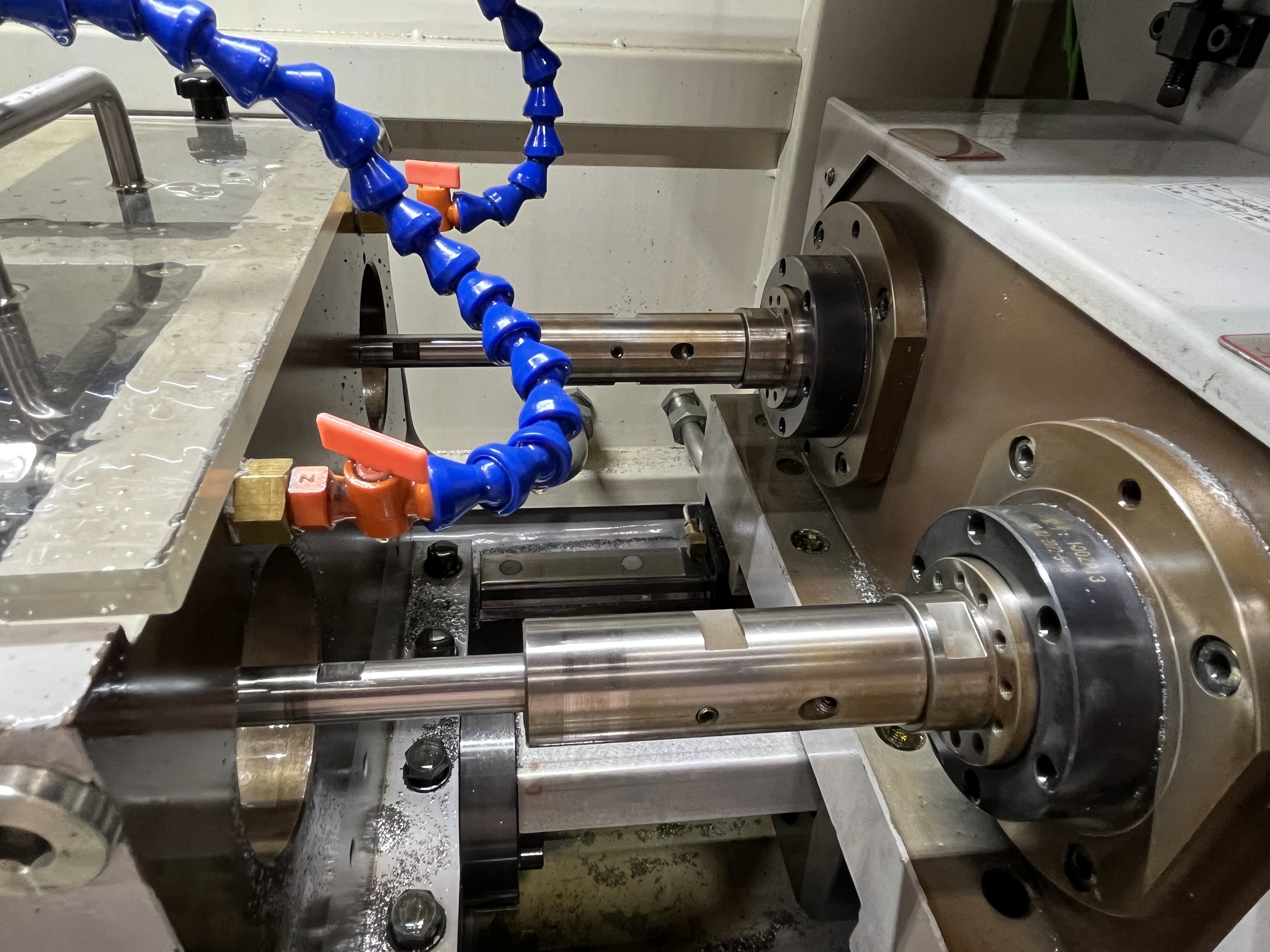
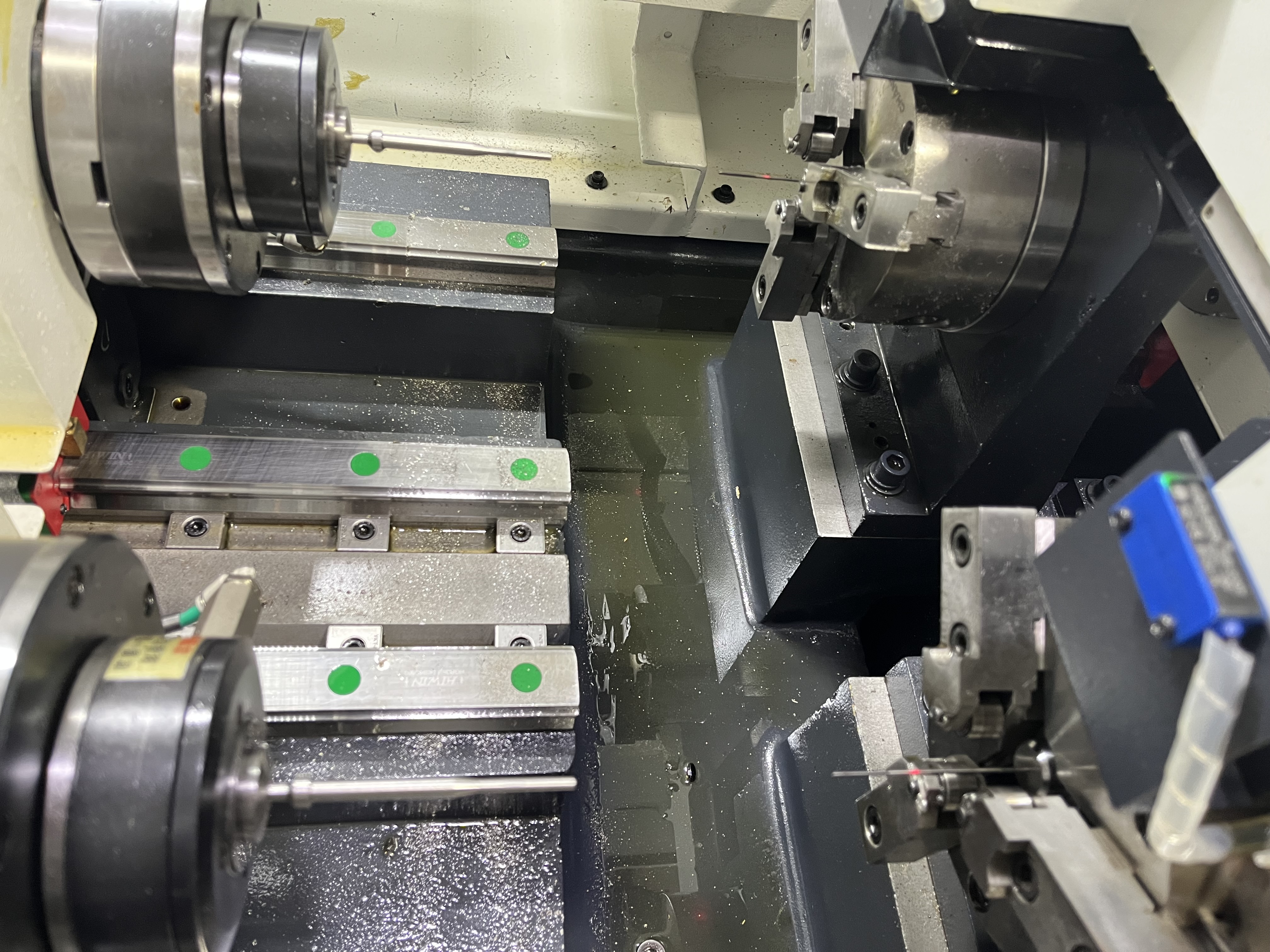
Bone screws are one of the most demanding deep hole drilling applications I have worked on. They look simple — a threaded shaft with a hole through the middle — but that center hole is the reason I treat every bone screw job with extra care. The diameter range is 1 mm to 4 mm, the lengths go up to 150 mm, and the materials are surgical-grade alloys that do not cut easily. ...
June 16, 2026 · Engineer at the Deep Hole

Cobalt Chrome and Superalloy Deep Hole Drilling

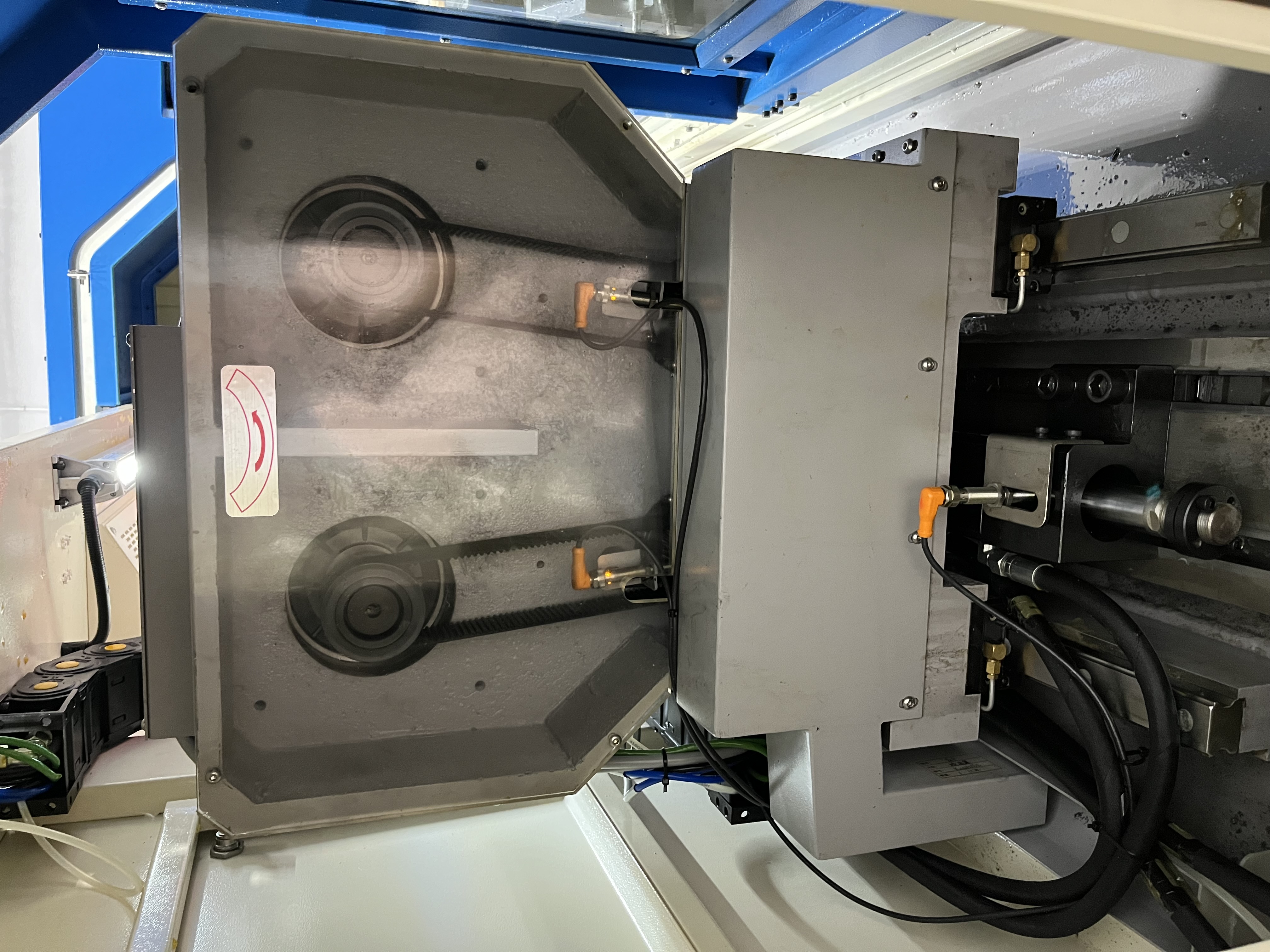
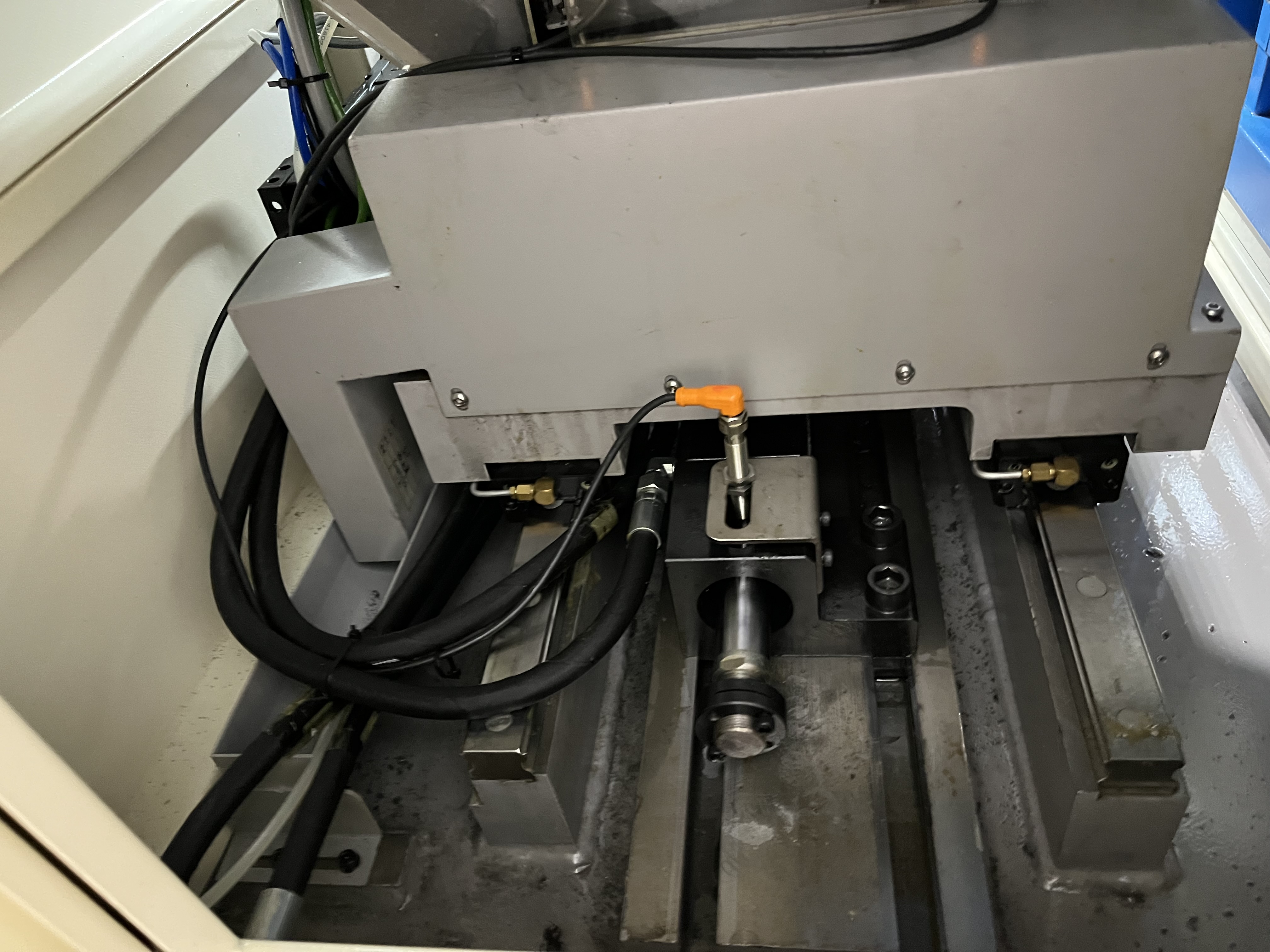
I use the slowest speeds and highest coolant pressures for cobalt chrome drilling — and I still expect to change tools frequently. Cobalt chrome and other superalloys are among the most difficult materials to deep hole drill. They are hard, abrasive, and retain heat at the cutting edge because their thermal conductivity is a fraction of steel’s. I have broken more gun drills in cobalt chrome than in everything else combined, and every break taught me something about what this material demands. ...

June 12, 2026 · Engineer at the Deep Hole

Surface Finish Requirements for Medical Implant Bores

Medical implant bores need smooth surface finishes for biocompatibility and fatigue life. A rough bore surface causes stress concentrations that lead to implant failure under cyclic loading. I’ve worked on hip stems, trauma nails, bone screws, and surgical instruments over the years, and the surface finish requirements vary by application. The general range I see is Ra 0.4-0.8um for bone screws and trauma nails and Ra 0.2-0.4um for load-bearing implantable devices. Surgical instruments are less demanding at Ra 0.8um. But these numbers don’t tell the full story — the finish needs to be consistent across the full bore length, not just at the entry. ...

June 12, 2026 · Engineer at the Deep Hole

Deep Hole Drilling for Medical Implants: Small Diameters, Tight Tolerance

Medical implant drilling is a specialized corner of deep hole drilling. The diameters are small — 1mm to 6mm — and the depth-to-diameter ratios can go to 400:1. The materials are titanium and surgical stainless steel. And the tolerance requirements are tighter than anything else I’ve worked with. The parts I’ve worked on are bone screws, trauma nails, and surgical instruments. They all need a straight, clean hole through the full length. A bone screw that’s 4mm in diameter and 120mm long needs a hole through the center that’s maybe 1.5mm. The wall thickness around that hole is about 1.25mm. There’s no room for error. ...

June 11, 2026 · Engineer at the Deep Hole