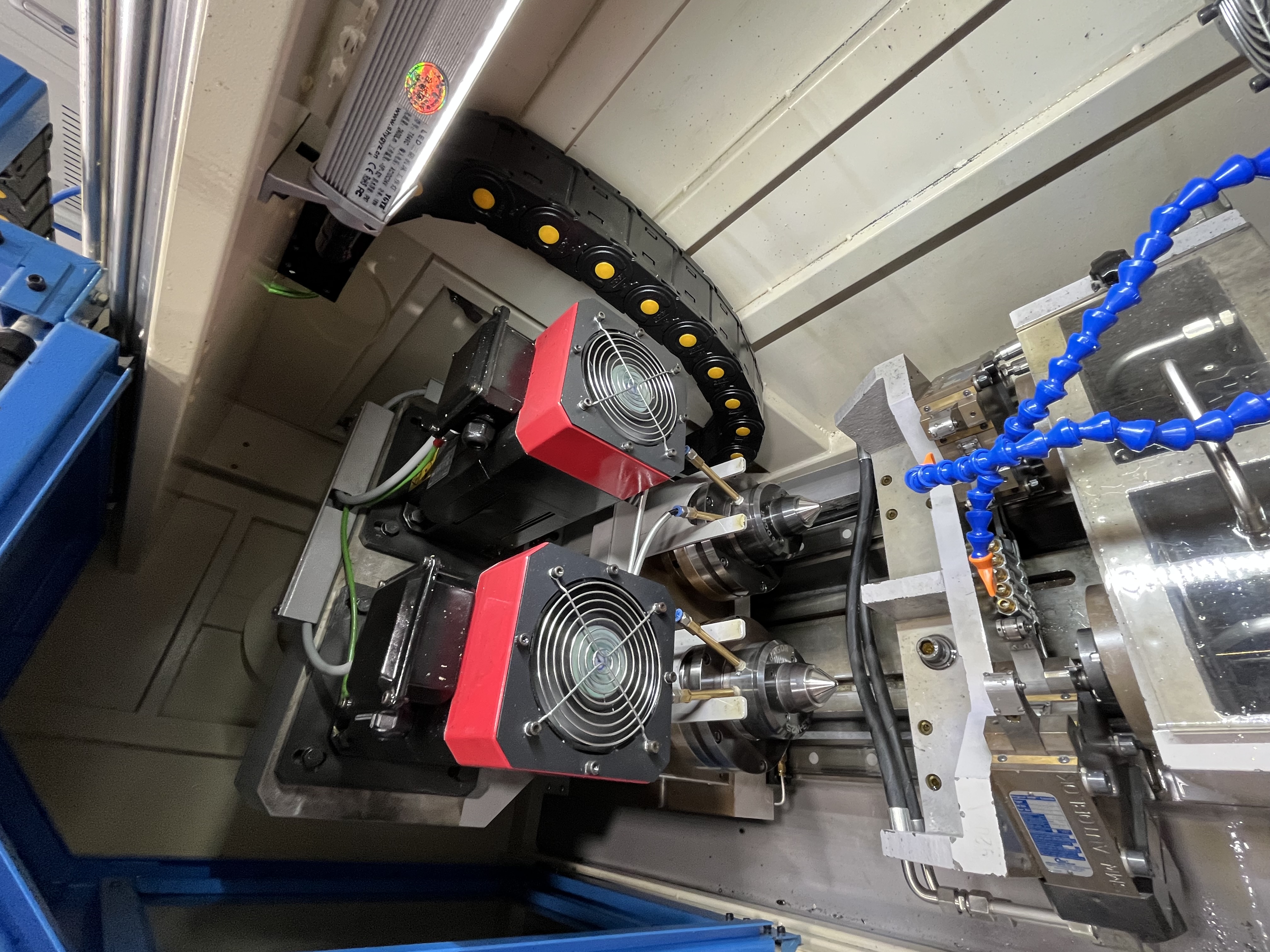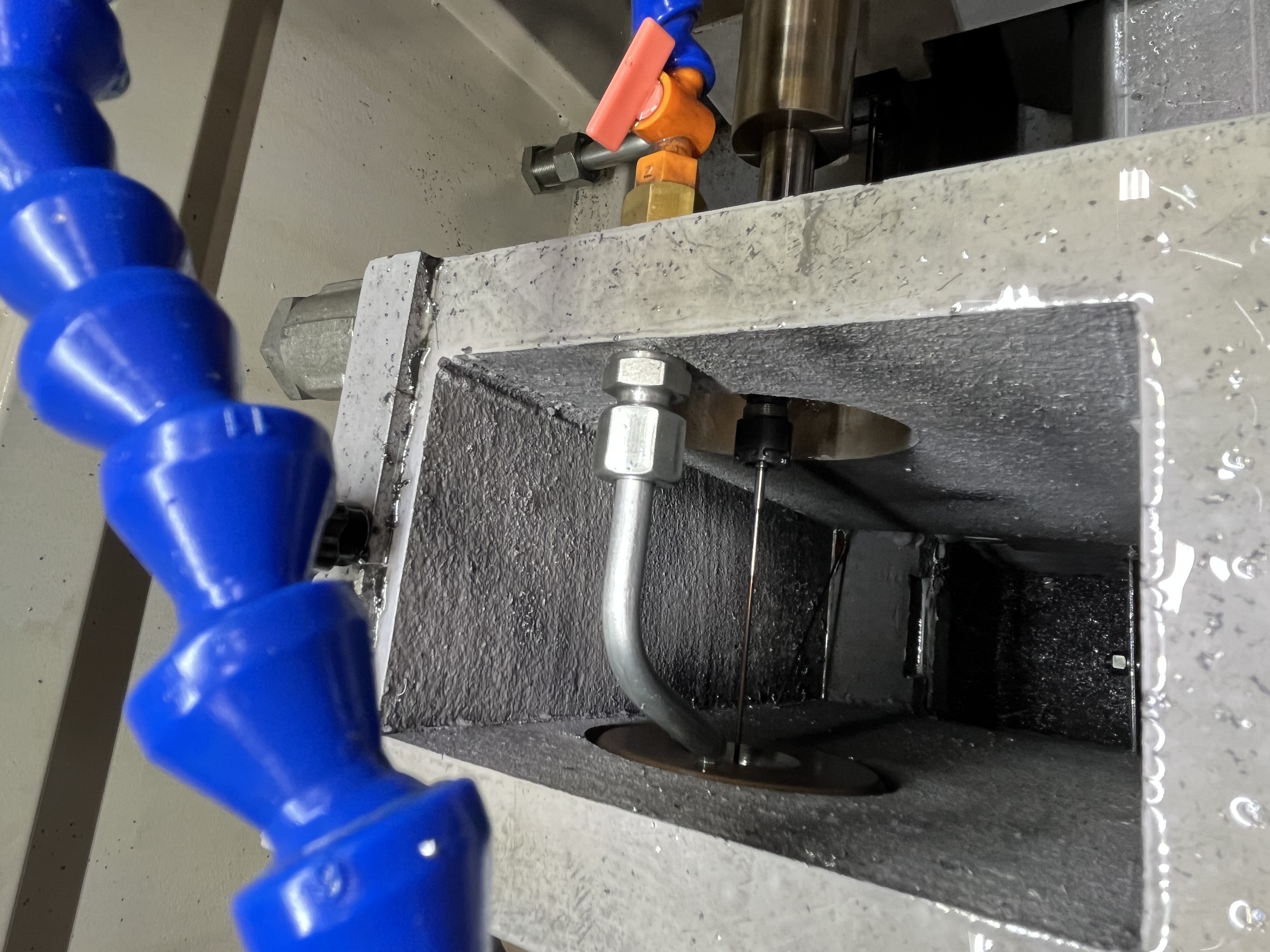
Coolant Pressure in Gun Drilling: How to Get It Right

Coolant pressure is the single most critical parameter in gun drilling. I have seen a 15% drop in pressure double the chip packing frequency and cut tool life in half. Getting the pressure right matters more than speed or feed on every job I run. Pressure Requirements by Diameter Small drills need high pressure because the coolant hole area shrinks faster than the drill diameter. A 2 mm drill has less than one-tenth the coolant hole area of a 6 mm drill, so the pressure must be much higher to move the same volume. ...
June 11, 2026 · Engineer at the Deep Hole

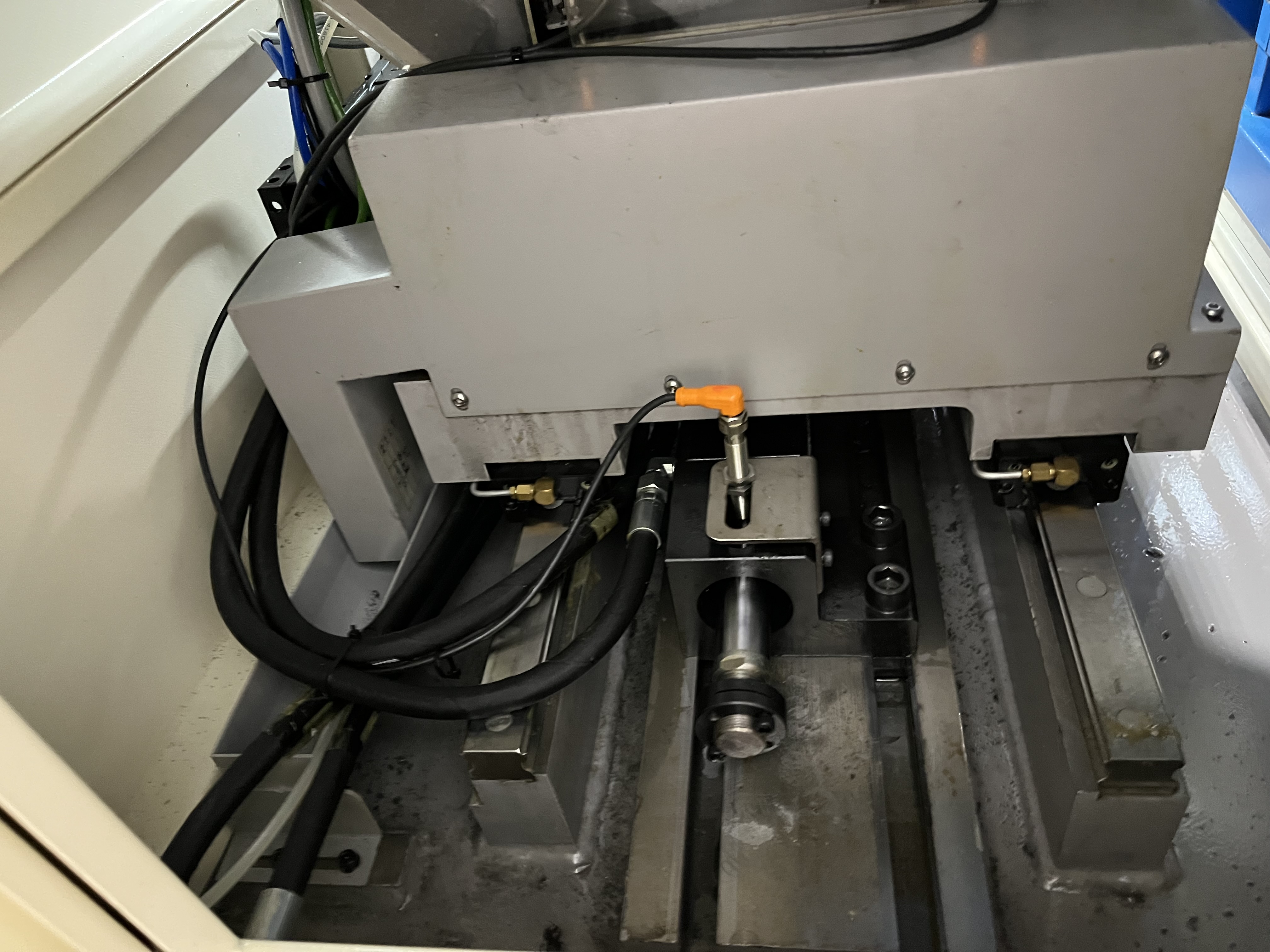
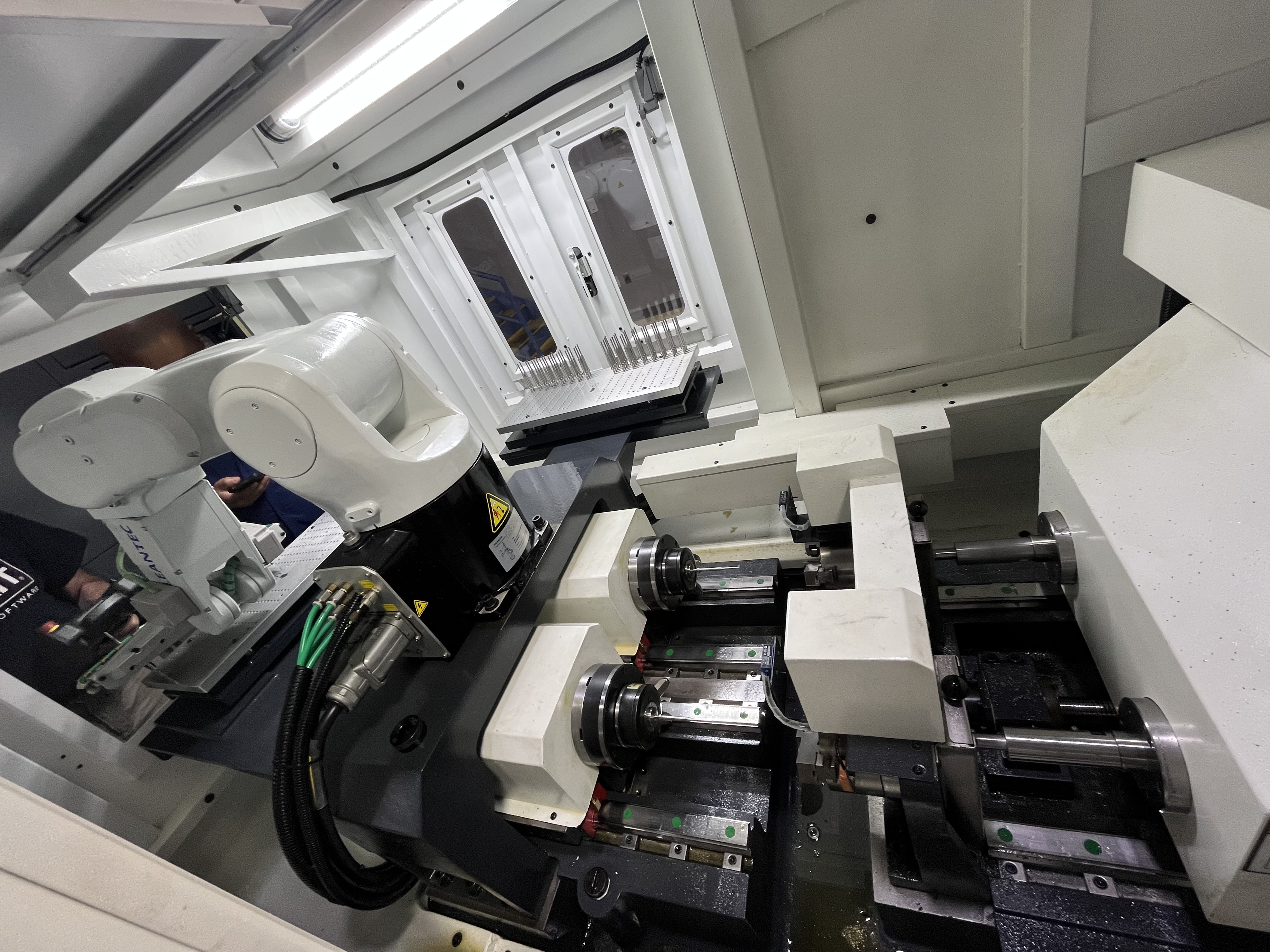
Ejector Drilling Parameters: Speeds, Feeds, and Coolant

Ejector drilling parameters are different from gun drilling or BTA drilling. The speeds, feeds, and coolant settings all shift because ejector drilling uses a double-tube system with a venturi effect for chip evacuation. Here are the ranges I use after running ejector drilling on dozens of production jobs. Cutting Speed by Material Ejector drilling operates at cutting speeds similar to BTA drilling but on the lower end of the range. The double-tube design restricts coolant flow slightly, so I run 10-15% slower than BTA speeds in the same material. ...

June 11, 2026 · Engineer at the Deep Hole

Feed Rate and Chip Breaking: Finding the Sweet Spot

Why Feed Rate Controls Chip Shape In deep hole drilling, chip breaking is not optional. Long stringy chips pack in the bore, block coolant flow, and cause tool breakage. The feed rate is the primary lever I use to control chip formation. The cutting action of a gun drill produces chips that curl as they travel along the flute. At the right feed rate, the chips curl tight enough to break under their own weight. At the wrong feed, they either form long ribbons or break into dust. ...

June 11, 2026 · Engineer at the Deep Hole

How to Read and Set Deep Hole Drilling Parameters

I dial in parameters in a specific order. Skip ahead and you’ll chase problems that were avoidable. Here is my workflow for setting up a new deep hole drilling job. This guide assumes you already understand the basics. For a deeper look at the underlying theory, see my parameter guide. For material-specific speed and feed tables, check the speeds and feeds reference. My Step-by-Step Workflow I start from the work material and work forward. Each step depends on the one before it. ...

June 11, 2026 · Engineer at the Deep Hole

RPM Calculation for Gun Drilling: Formula and Examples

Calculating spindle speed for gun drilling is the same as for any turning operation. Get this wrong and you will burn up your tool or leave a terrible surface finish. I run these calculations before every job, and after enough setups the numbers become second nature. Here is how I do it. The RPM Formula and How I Use It The standard formula for spindle speed is: RPM = (Cutting Speed x 1000) / (Pi x Diameter) ...

June 11, 2026 · Engineer at the Deep Hole