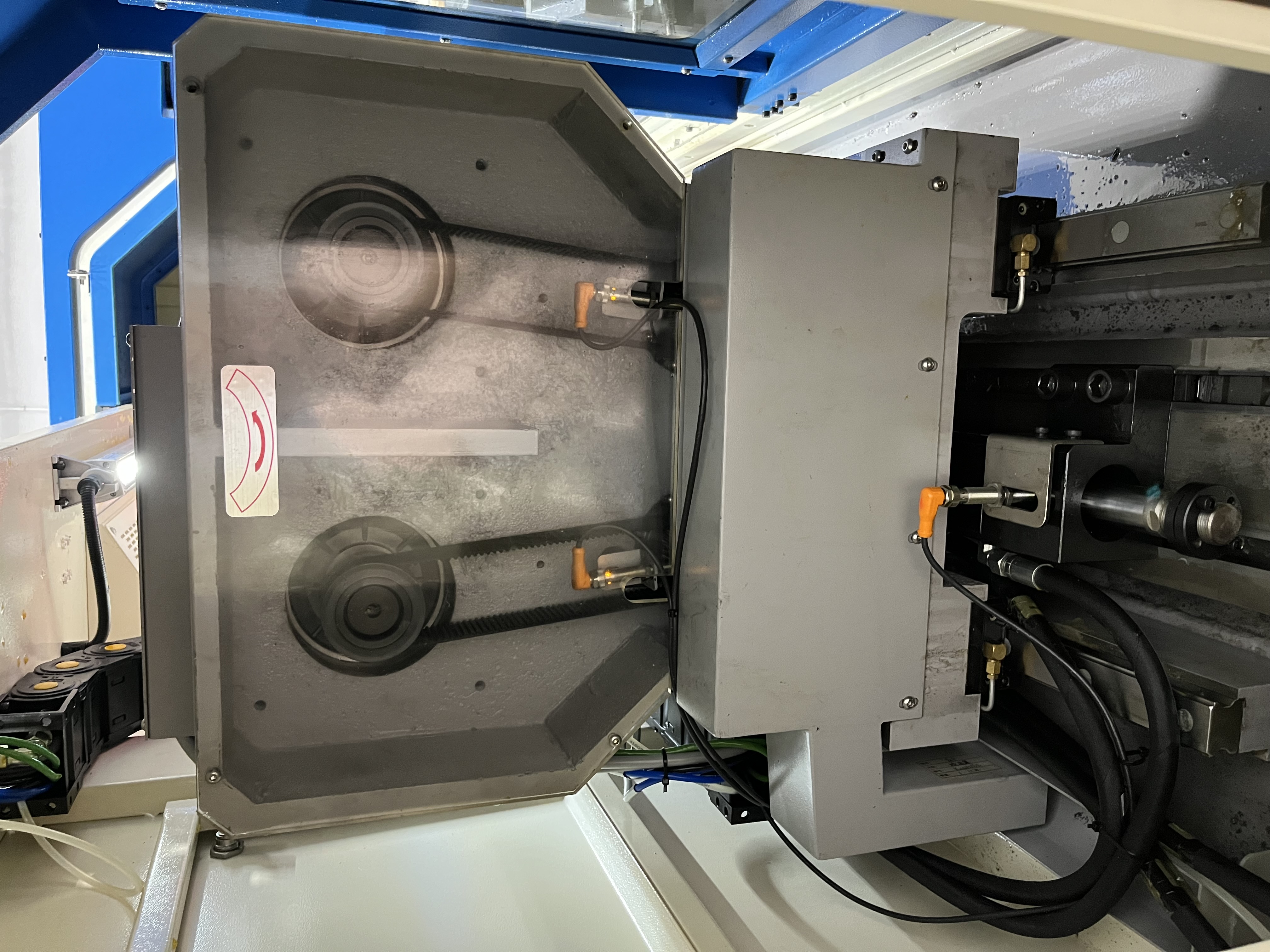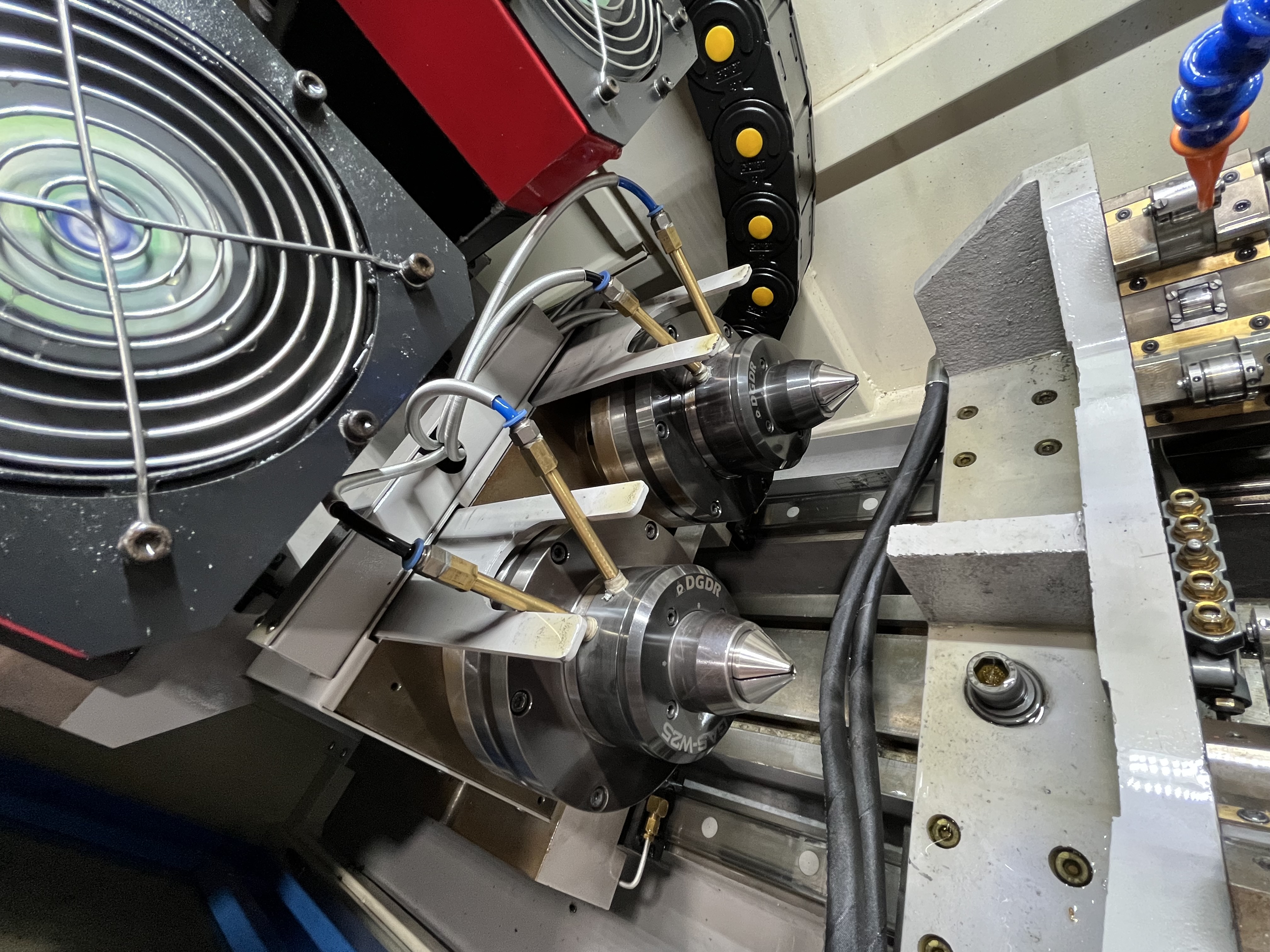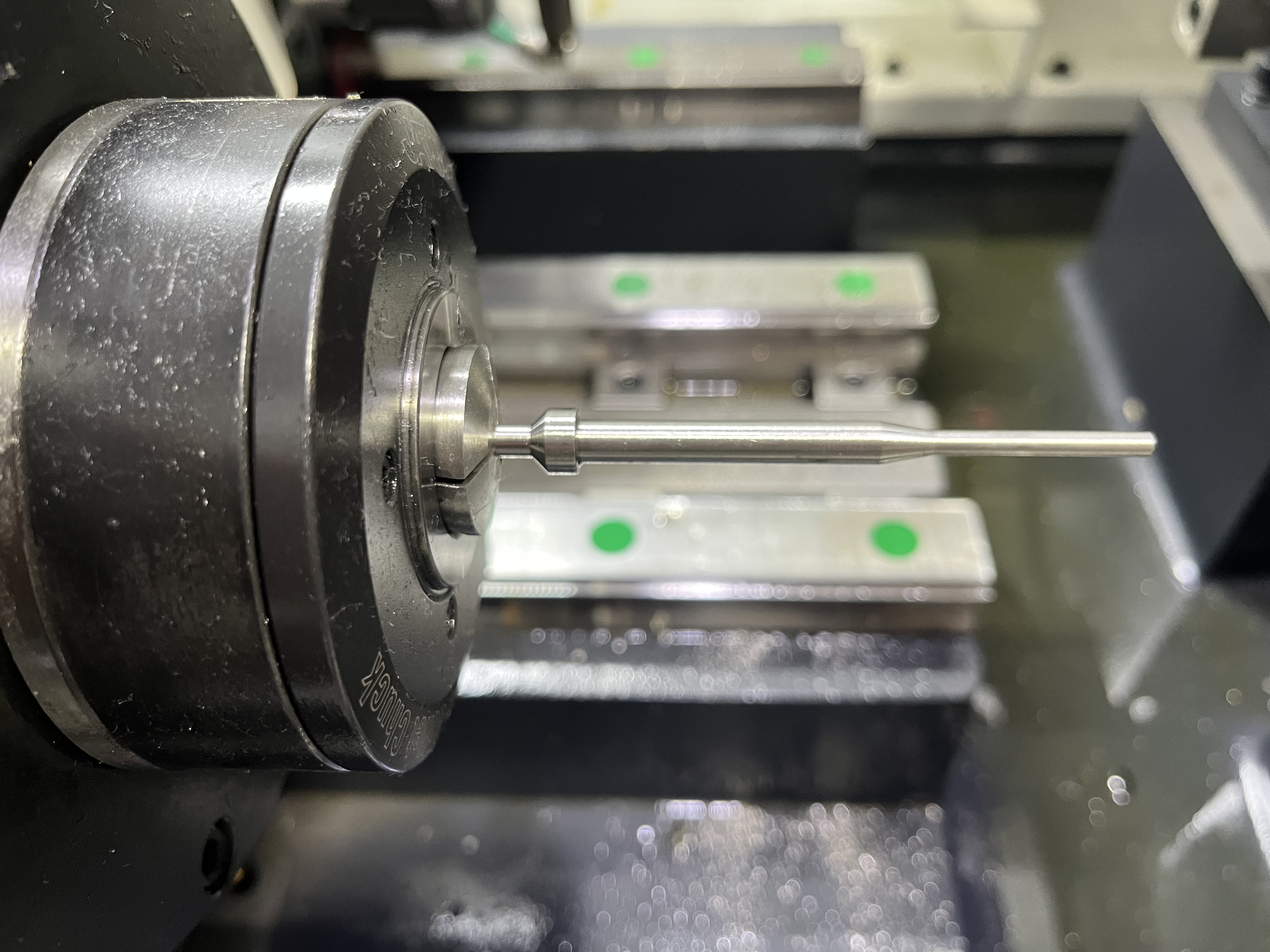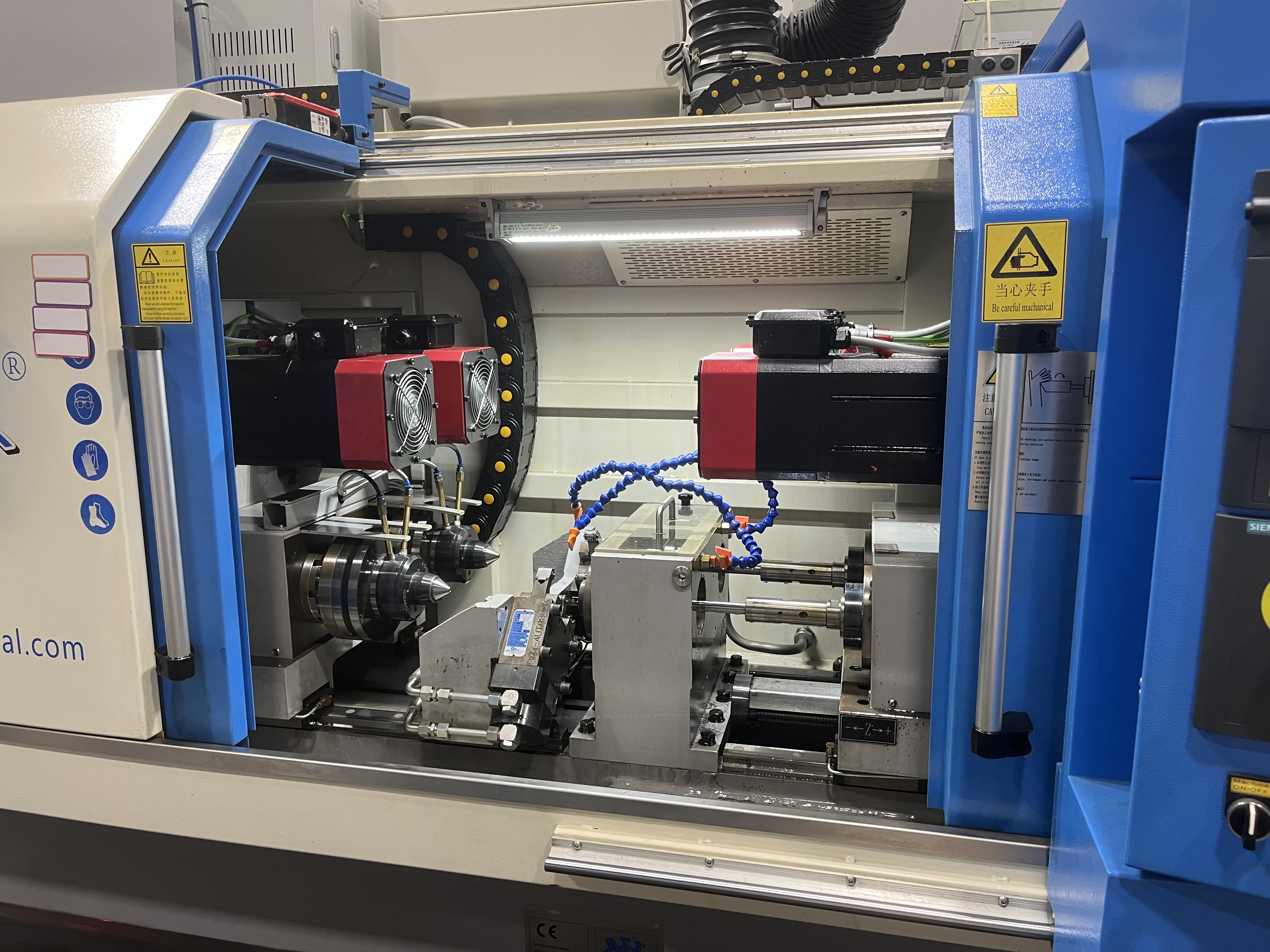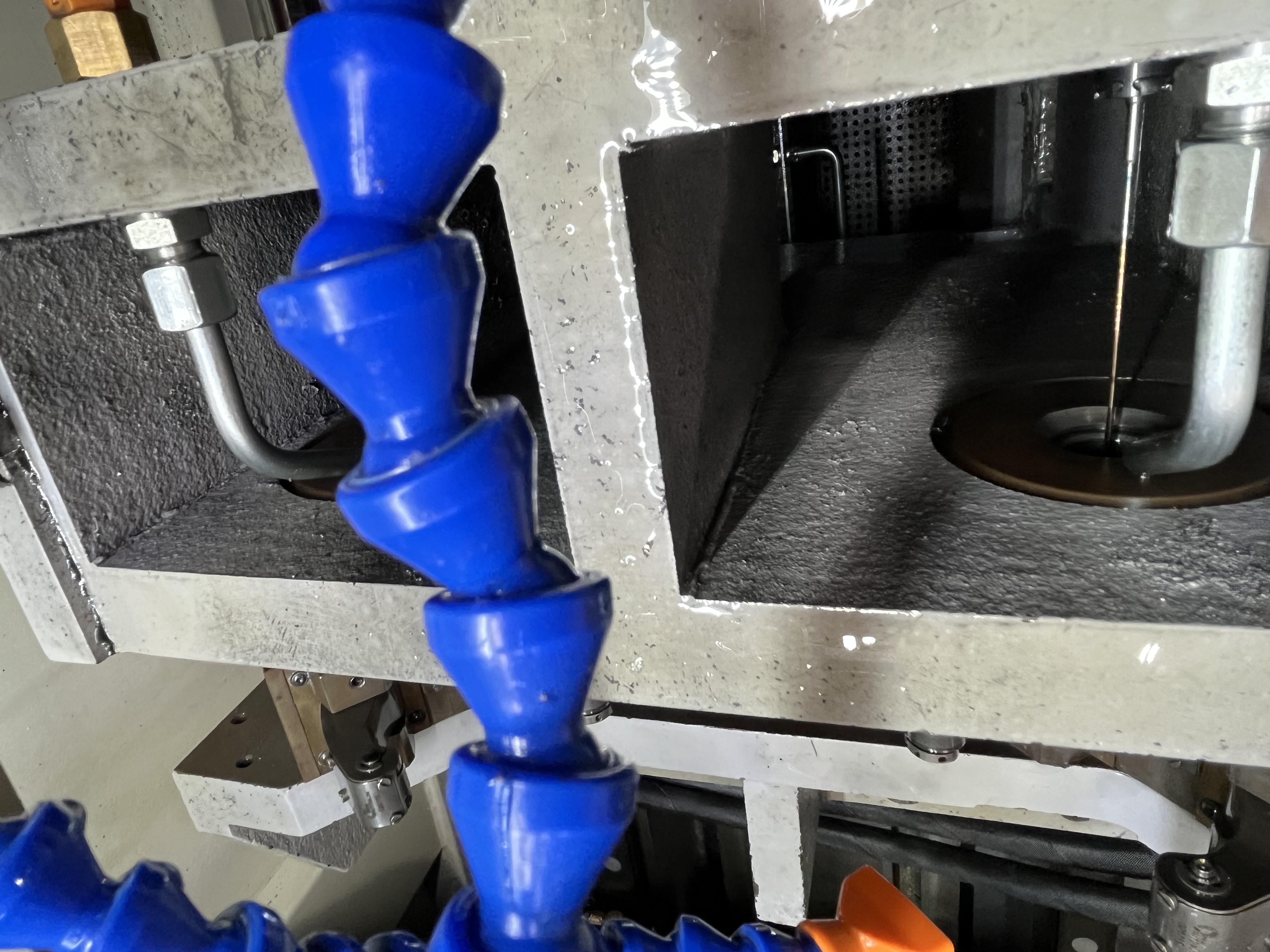
Coolant System PM Schedule for Deep Hole Drilling Machines

Why a PM Schedule Matters The coolant system on a deep hole drilling machine operates under high pressure and continuous duty. A gun drilling machine runs at 40-120 bar coolant pressure for every second of the cut. BTA systems run at 15-40 bar with flow rates up to 400 L/min. Components wear, filters clog, and coolant degrades. A regular PM schedule catches these changes before they cause downtime or part defects. ...
June 16, 2026 · Engineer at the Deep Hole

Daily Machine Inspection Checklist for Deep Hole Drilling

A daily inspection checklist is not paperwork for the sake of paperwork. I have caught three incipient machine failures in the past year during the five-minute walk-around that operators do at the start of each shift. A spindle bearing that was starting to run hot, a coolant leak that would have contaminated the way covers, and a loose gib strip on a box way machine. None would have been caught by the weekly inspection because they were progressing slowly. ...

June 16, 2026 · Engineer at the Deep Hole

Deep Hole Drilling Machine Reliability: What I Do to Maximize Uptime

A deep hole drilling machine that is down costs more per hour than almost any other machine in the shop. The hourly burden rate is high, the parts going through it are usually high-value, and the whole production schedule backs up when one machine stops. I have spent years learning what keeps these machines running, and most of what works is not in the maintenance manual. Here is my approach to reliability — what I actually do, not what the textbook says. ...

June 16, 2026 · Engineer at the Deep Hole

How Measuring Every Guide Bushing Saved a 10,000-Part Production Run

I’ve got a rule that I force on every production run I touch: measure everything before you start, and then measure it again halfway through. Guide bushings, whip guides, drill holders — if it touches the tool or the part, it gets measured. This rule came from a specific job that taught me just how expensive a few tenths of wear can be, and how easy it is to miss a slow decline until it’s too late. ...

June 16, 2026 · Engineer at the Deep Hole

Rotating Union Maintenance and Seal Replacement

The rotating union transfers coolant from the stationary supply line to the rotating spindle. It is one of the most common failure points on a deep hole drilling machine. A failed union causes pressure loss and coolant spray, and it can also cause mist to flood the work zone. In my experience, roughly 30% of unscheduled downtime on deep hole machines traces directly back to this component. Anatomy of a Rotating Union The union sits between the machine coolant manifold and the spindle shaft. Inside, a stationary housing holds the inlet port while a rotating shaft connects to the spindle bore. The two halves meet at a mechanical seal face. Standard designs use silicon carbide seal faces running against a carbon ring. In larger machines rated above 80 bar, I have seen tungsten carbide faces used instead. The shaft rotates with the spindle, so the seal must maintain contact pressure while the spindle runs at several thousand RPM. ...

June 16, 2026 · Engineer at the Deep Hole

Thru-Spindle Coolant System Maintenance for Deep Hole Drilling

The thru-spindle coolant system is the circulatory system of a deep hole drilling machine. When it fails, you lose coolant pressure, which means chip evacuation stops, which means a broken drill in the bore. I have seen repair bills above $15,000 for a single rotating union failure, not counting the downtime. Keeping this system running is not complicated, but it does require consistent attention. Components of the Thru-Spool System The typical setup includes a rotating union (sometimes called a coolant inductor) mounted at the top or rear of the spindle, a draw tube running through the spindle bore, and sealing elements at both ends. Some machines use a stationary coolant gland and a rotating adapter. Either way, three critical components need regular inspection. ...

June 16, 2026 · Engineer at the Deep Hole

Lubrication Systems for Deep Hole Drilling Machines

Deep hole drilling machines need lubrication for the bed ways, ball screws, guide bushings, and spindle bearings. I have worked on machines where poor lubrication caused thousands of dollars in way damage, and I have also seen well-maintained machines hold their original alignment for over a decade. The difference comes down to having the right lubrication system and following a consistent schedule. A deep hole drilling machine faces higher coolant exposure and more abrasive conditions than a standard CNC, so the lubrication demands are more rigorous. ...

June 12, 2026 · Engineer at the Deep Hole

Deep Hole Drilling Maintenance Checklist

I have developed this maintenance schedule over years of running deep hole drilling machines. Regular maintenance prevents most unexpected downtime, and the cost of a skipped check is usually measured in broken tools and scrapped parts. The schedule divides into daily, weekly, monthly, quarterly, and annual tasks. Problem Description Deep hole drilling machines combine rotating spindles, high-pressure coolant systems, hydraulic feeds, and precision guide bushings in a single integrated system. A failure in any subsystem stops production. The most expensive downtime I have dealt with came from neglected items — a rotating union that failed because the seal was never inspected, a coolant hose that burst internally from age and pressure, and a spindle bearing that ran hot for weeks before it seized. ...

June 11, 2026 · Engineer at the Deep Hole

The Time a Coolant Hose Nearly Cost Me a Job

I was drilling a batch of hydraulic cylinders on a tight deadline. The job was going smoothly — good chips, good surface finish, ahead of schedule. Then the coolant hose burst. The Setup That Day I was running a 22 mm gun drilling operation on 4140 steel. The depth-to-diameter ratio was about 40:1, so coolant pressure and flow were critical from the start. I had the pressure set to 80 bar at the pump, and the return flow was steady through the chip separator. The first twelve parts came out perfect. I was feeling confident enough to let the machine run while I prepped the next batch of raw stock. ...

June 11, 2026 · Engineer at the Deep Hole