Deep Hole Drilling vs Conventional Drilling: Key Differences

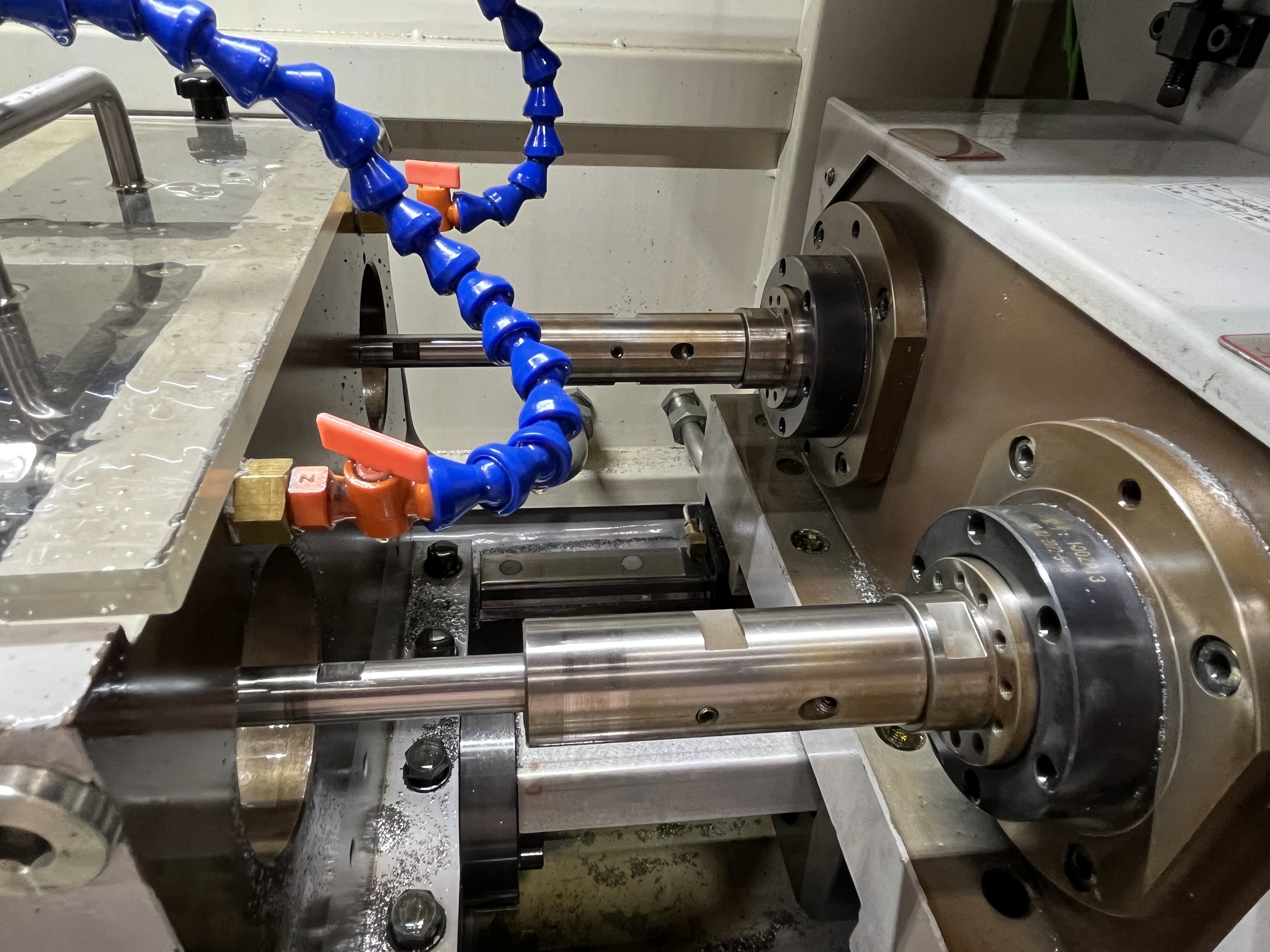
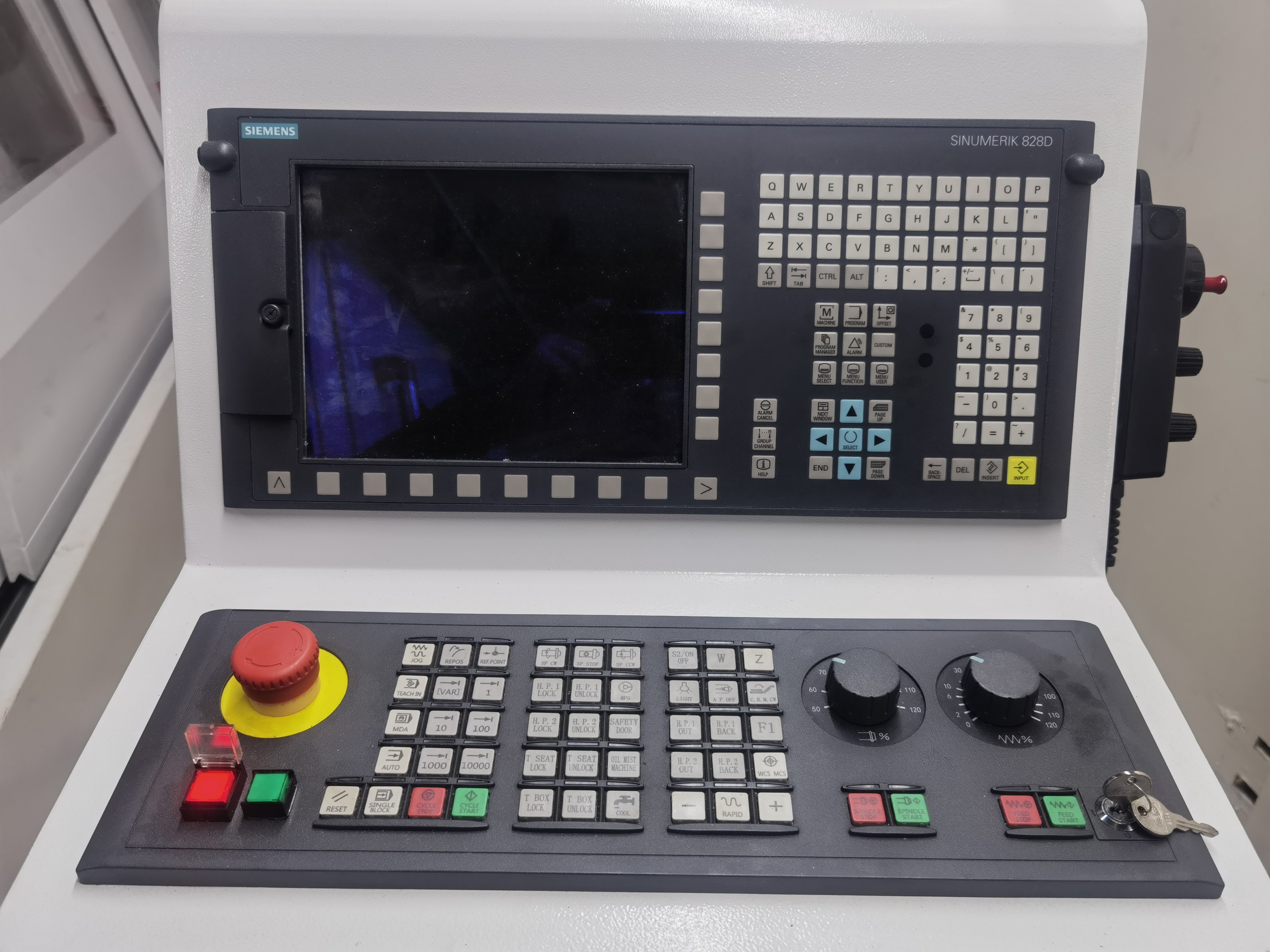
I use deep hole drilling when the L/D ratio exceeds 10:1 — that is the threshold where conventional twist drilling stops being reliable and specialized deep hole drilling takes over. But the decision involves more than just the depth-to-diameter ratio. I have run both processes side by side on hundreds of jobs, and the differences in surface finish, straightness, cycle time, and tool cost dictate which approach makes sense for each part. ...
June 11, 2026 · Engineer at the Deep Hole

Gun Drilling vs BTA vs Ejector: Full Comparison

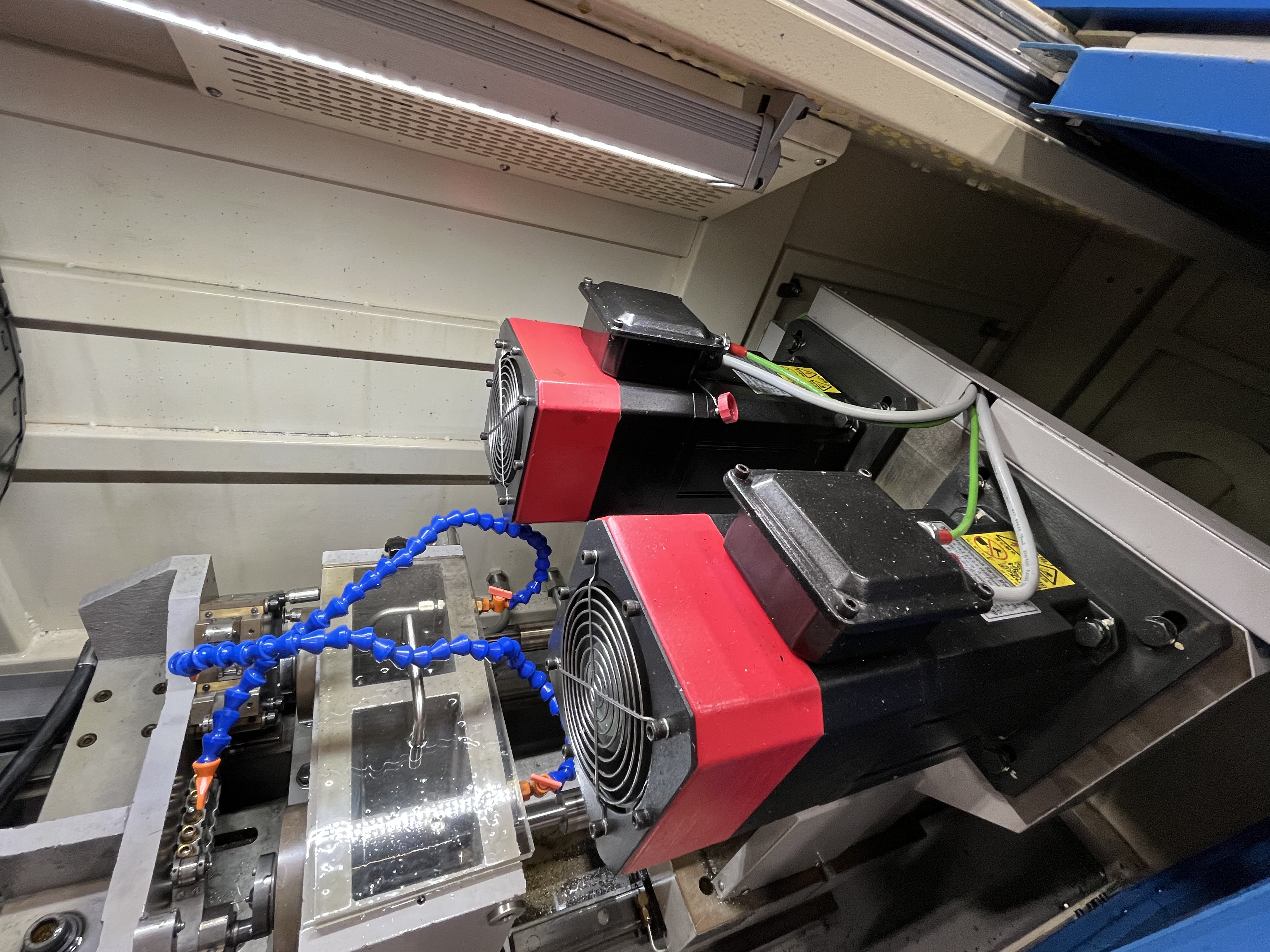
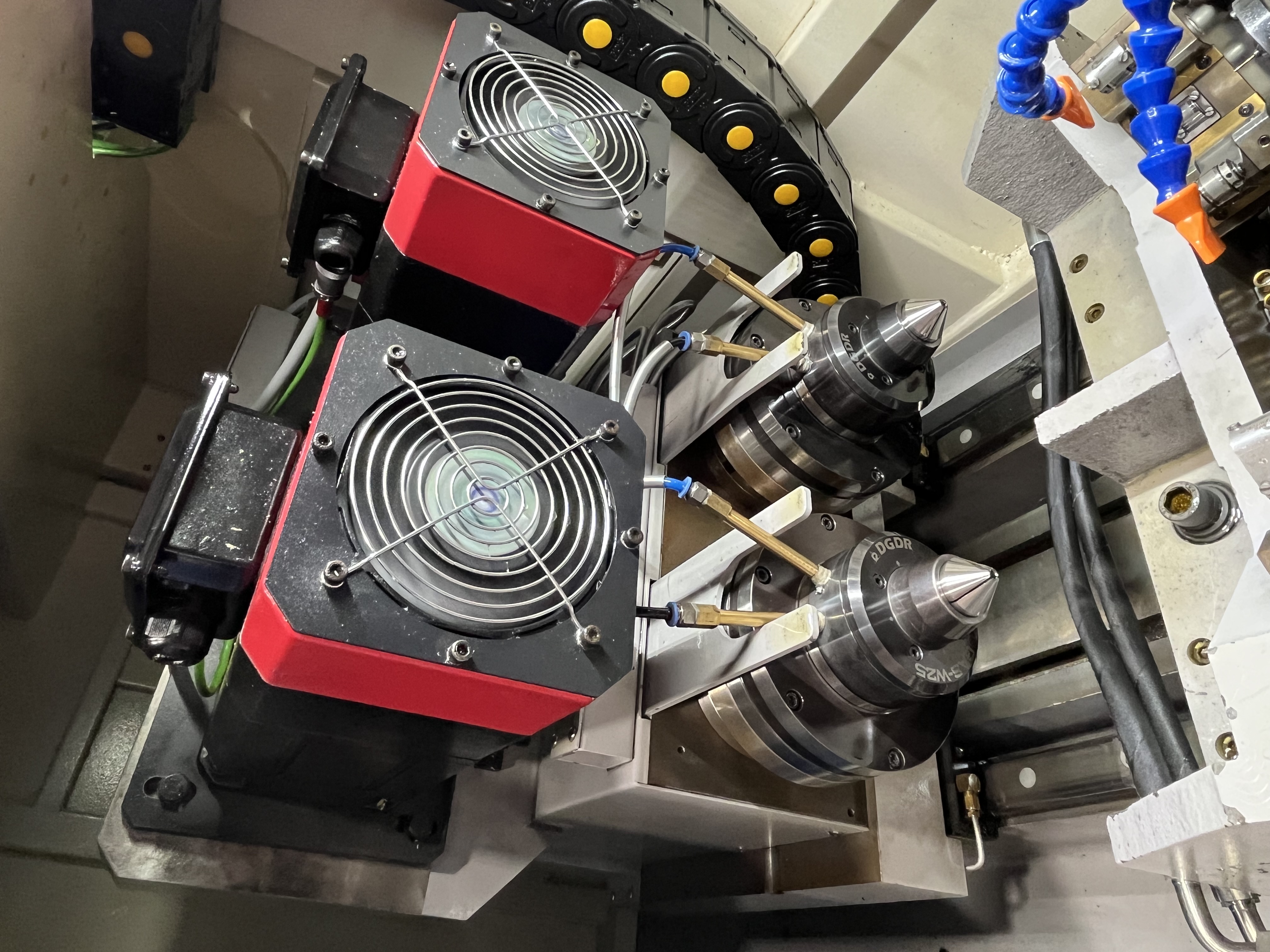
I choose between gun drilling, BTA, and ejector based on hole diameter, production volume, and surface finish requirements. Each process exploits a different chip evacuation mechanism, and that single design decision ripples through every performance metric — penetration rate, surface quality, tooling cost, and machine requirements. Gun drilling uses a V-shaped carbide tip with a single cutting edge and a high-pressure coolant port behind the cutting face. BTA drilling pushes coolant through the annulus between the drill tube and the hole wall; chips travel back through the tube’s hollow center. Ejector drilling splits coolant flow: most goes to the cutting zone, a smaller portion diverts through annular nozzles inside the head to create a Venturi effect that pulls chips back out. ...

June 11, 2026 · Engineer at the Deep Hole

Gun Drilling vs Reaming: Surface Finish and Tolerance Comparison

I use gun drilling alone when possible and add reaming for tight tolerances. The decision between the two processes comes down to surface finish, tolerance, cycle time, and cost per hole. Here is how I break down the comparison on my shop floor. Reaming is traditionally required after drilling to improve finish and tolerance. But gun drilling can achieve similar results in a single pass. The trade-offs are not always obvious, so I keep a systematic comparison. ...

June 11, 2026 · Engineer at the Deep Hole

Trepanning vs Solid Drilling: Which Approach Fits Your Job

I choose trepanning when the core material is valuable enough to save. Trepanning is a deep hole drilling method that cuts an annular groove and leaves a solid core. I’ve recovered over $12,000 worth of core material in a single year by trepanning Inconel parts. The core can be recovered and used for another purpose. Solid drilling removes all the material as chips. Here’s when each method makes sense. Trepanning Trepanning uses a cutting head with a hollow center. The head cuts an annular groove around a central core. The core is recovered when the cut is complete. ...

June 11, 2026 · Engineer at the Deep Hole