What Determines How Straight a Deep Hole Can Be: Deflection Mechanics

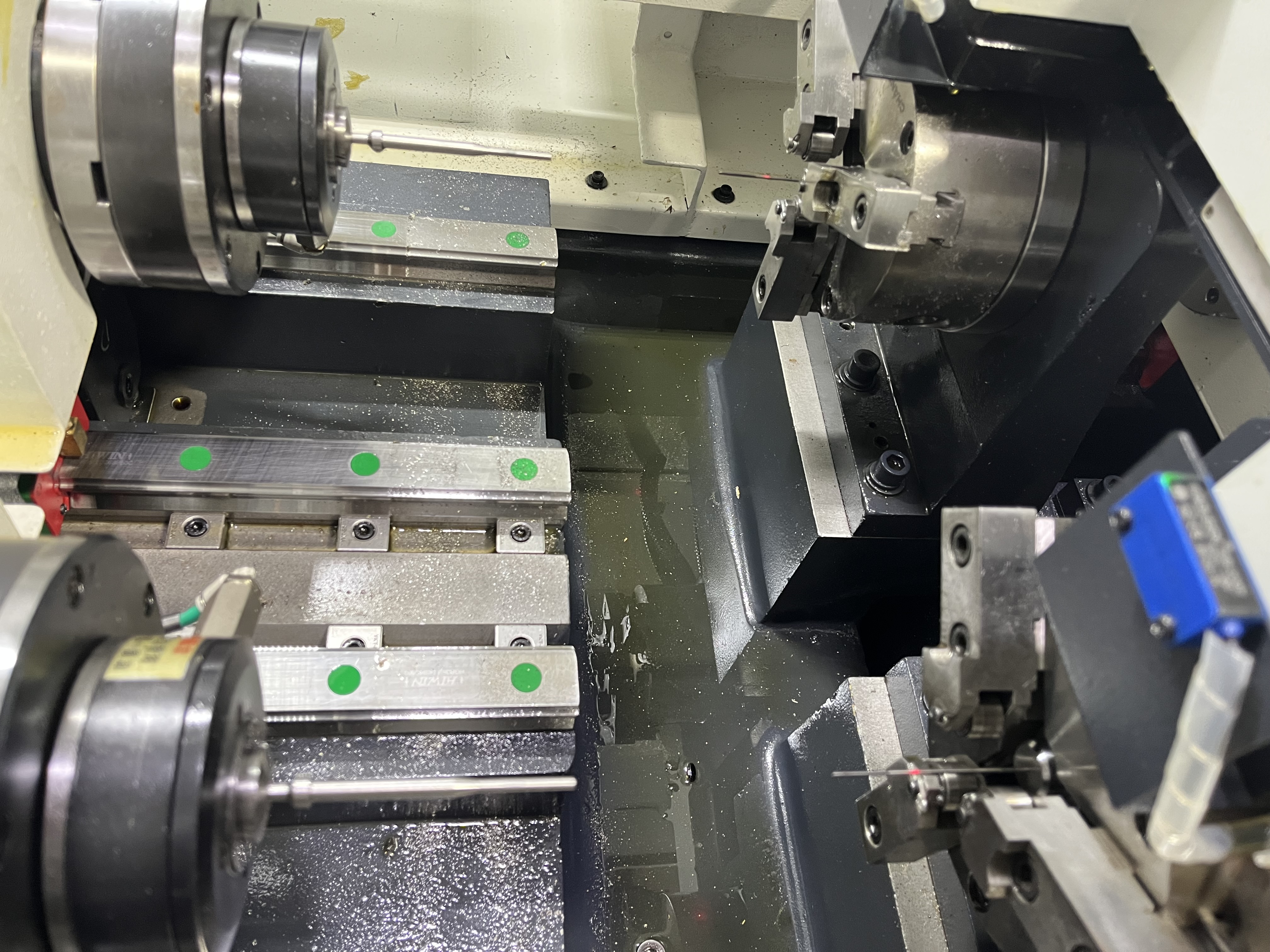
I used to think hole straightness was mostly about luck and alignment. Then I studied the mechanics behind it and realized it is highly predictable. The straightness of a deep hole is determined by four variables: support clearance, shaft stiffness, thrust force, and entry geometry. Get those right and the hole goes where you want it. The Column Theory Behind Deep Hole Straightness A gun drill shaft behaves like a slender column under load. The thrust force pushes the drill tip against the work, and the shaft resists bending based on its stiffness. But unlike a simple column, the drill shaft has intermediate supports — the guide bushing at entry and any steady rests along the way. ...
June 16, 2026 · Engineer at the Deep Hole

Data Collection for Deep Hole Drilling Troubleshooting

Why Data Matters Troubleshooting without data is guessing. I’ve watched operators change tools, adjust feeds, and tweak coolant pressure without any record of what was happening before the problem started. They fix things by accident and never know what actually worked. Good data turns troubleshooting from a guessing game into a comparison exercise. When a problem appears, I compare the current readings to the baseline from when the job was running well. The difference between them points directly at the root cause. ...

June 12, 2026 · Engineer at the Deep Hole

Power Consumption Monitoring for Tool Wear Detection

Why Power Consumption Tracks Wear As a gun drill wears, the cutting edge dulls. A dull edge requires more force to shear the material, and the spindle motor draws more power to maintain the programmed RPM. The power increase is proportional to the edge wear. I have verified this relationship by measuring power consumption against measured edge wear across dozens of tools. The correlation is consistent enough that I trust the power reading as a wear indicator without stopping the machine to inspect the edge. ...

June 12, 2026 · Engineer at the Deep Hole

Common Mistakes New Deep Hole Drilling Operators Make

Mistake 1: Trusting the Pump Gauge I see new operators check coolant pressure at the pump gauge and call it good. That gauge can read 80 bar while the tool tip sees 45 bar. The difference comes from clogged filters, long hose runs, or a worn rotary union. I teach every operator to read the pressure at the tool-side gauge, not the pump. The fix is a simple habit: glance at the tool pressure gauge before hitting the cycle start button. If it’s below the minimum listed on the setup sheet, stop and investigate. This one check prevents more drill breakages than anything else I’ve taught. ...

June 11, 2026 · Engineer at the Deep Hole

Deep Hole Drilling Machine Monitoring: Sensors and Data Collection

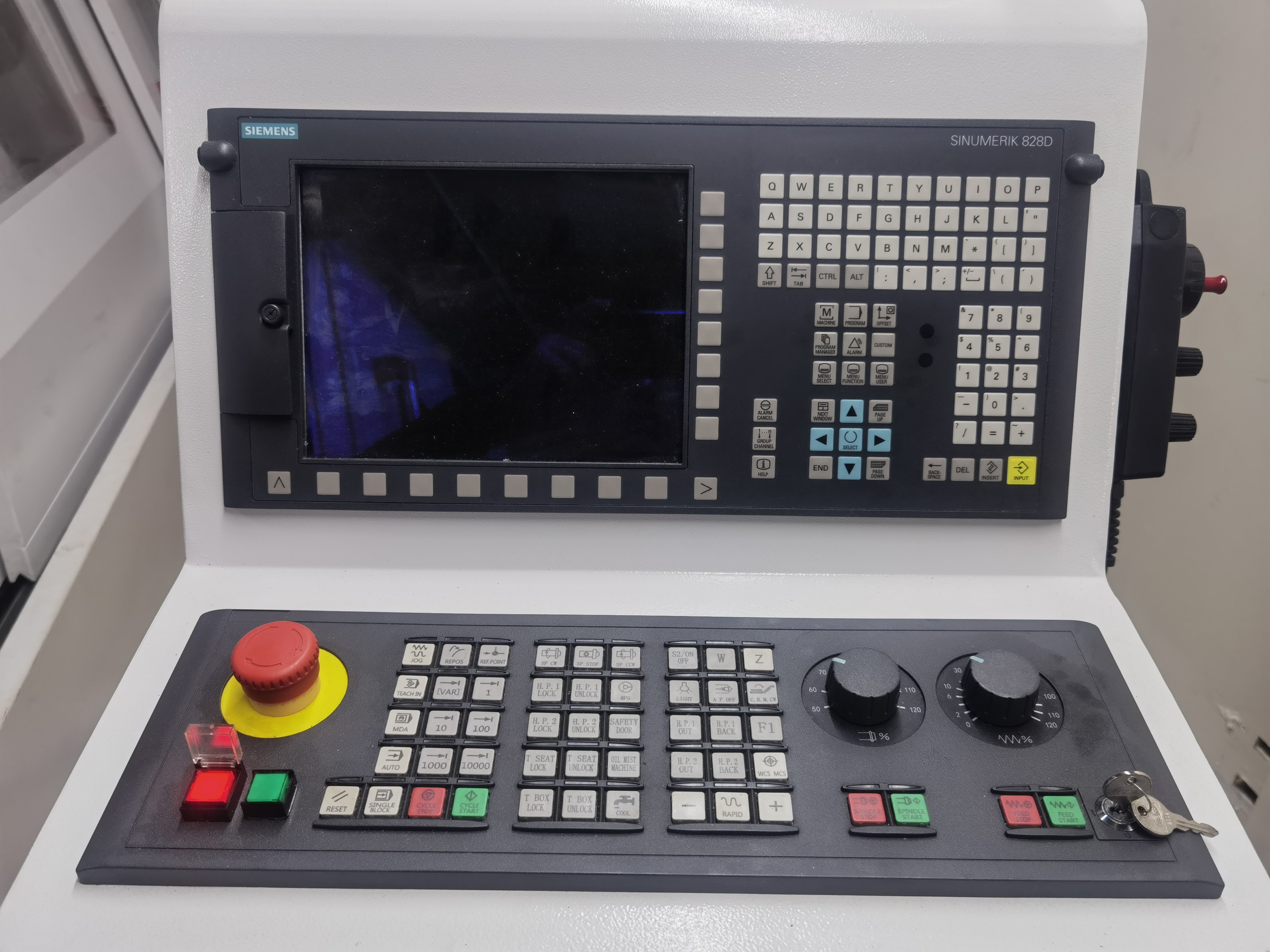
Monitoring the drilling process in real time helps catch problems before they cause scrap. I have used various sensors and monitoring systems on deep hole drilling machines over the years. The right monitoring setup depends on the type of work you do and the investment you are willing to make. Here is what I have learned about deep hole drilling machine monitoring. What to Monitor The most useful parameters to monitor on a deep hole drilling machine are coolant pressure, spindle load, and feed force. These three catch the majority of process problems before they turn into scrap parts or broken tools. ...

June 11, 2026 · Engineer at the Deep Hole

How to Read and Set Deep Hole Drilling Parameters

I dial in parameters in a specific order. Skip ahead and you’ll chase problems that were avoidable. Here is my workflow for setting up a new deep hole drilling job. This guide assumes you already understand the basics. For a deeper look at the underlying theory, see my parameter guide. For material-specific speed and feed tables, check the speeds and feeds reference. My Step-by-Step Workflow I start from the work material and work forward. Each step depends on the one before it. ...

June 11, 2026 · Engineer at the Deep Hole

Running a Machine Capability Study on a Deep Hole Drill

A machine capability study — also called a Cmk study — measures whether a machine can produce parts within the required tolerance. It’s a standard method for approving new machines or verifying existing ones. I run capability studies on deep hole drilling machines when setting up new jobs. The Process I follow this procedure for every machine capability study: Define the critical dimension — Select one feature to study (typically hole diameter at the mid-point) Set up the machine — Use the same tool, fixturing, and program that will be used in production Check machine condition first — Run a test bar alignment check and verify coolant pressure and spindle runout before starting Run the parts — Run 25 consecutive parts without any adjustments. No speed changes, no feed changes, no tool changes Measure every part — Use the same measurement method (air gage, bore mic, or CMM) for all 25 parts Plot the data — Create a run chart in the order the parts were produced to visualize any drift Calculate mean and standard deviation — Use the standard formula Calculate Cmk — Cmk = min((USL - mean) / 3sigma, (mean - LSL) / 3sigma) The Cmk value tells you whether the machine can hold the tolerance consistently. I also calculate Cm (process capability without centering) to see if off-center adjustment can fix a marginal Cmk. ...

June 11, 2026 · Engineer at the Deep Hole

SPC for Deep Hole Drilling: Statistical Process Control Guide

Why SPC Belongs in Deep Hole Drilling Statistical process control transforms deep hole drilling from a reactive process to a predictive one. Instead of finding out a part is bad when you measure it after the cycle, SPC tells you the process is trending toward a problem before the part is made. I started using SPC on a hydraulic cylinder job that was running 500 parts per month. The rejection rate was 3% from bore diameter drift. The problem was not that the process was unstable — it was that I could not see the drift until I measured the finished part. ...

June 11, 2026 · Engineer at the Deep Hole

Using Vibration Sensors to Monitor Deep Hole Drilling

Why Use Vibration Sensors Vibration sensors give you a window into the cutting process that your eyes and ears cannot match. The sensor detects changes in vibration that are too small or too subtle for a human operator to notice. Those small changes are the early warning signs of tool wear, chip packing, and process problems. I started using vibration sensors on a long-running production job that ran 500 parts per month. The operator could not be at the machine every second, and the tool would wear gradually over the run. Without monitoring, the operator would not catch the wear until the surface finish degraded or the tool broke. ...

June 11, 2026 · Engineer at the Deep Hole

Coolant Concentration Measurement and Control for Deep Hole Drilling

I have watched more than one shop chase tool breakage for a week only to discover the coolant was running at half the recommended concentration. Coolant concentration is the kind of variable that does not announce itself. It drifts slowly, a tenth of a point at a time, until one day nothing works right anymore. Here is how I measure it, what the numbers should be, and what to do when they are wrong. ...

Engineer at the Deep Hole