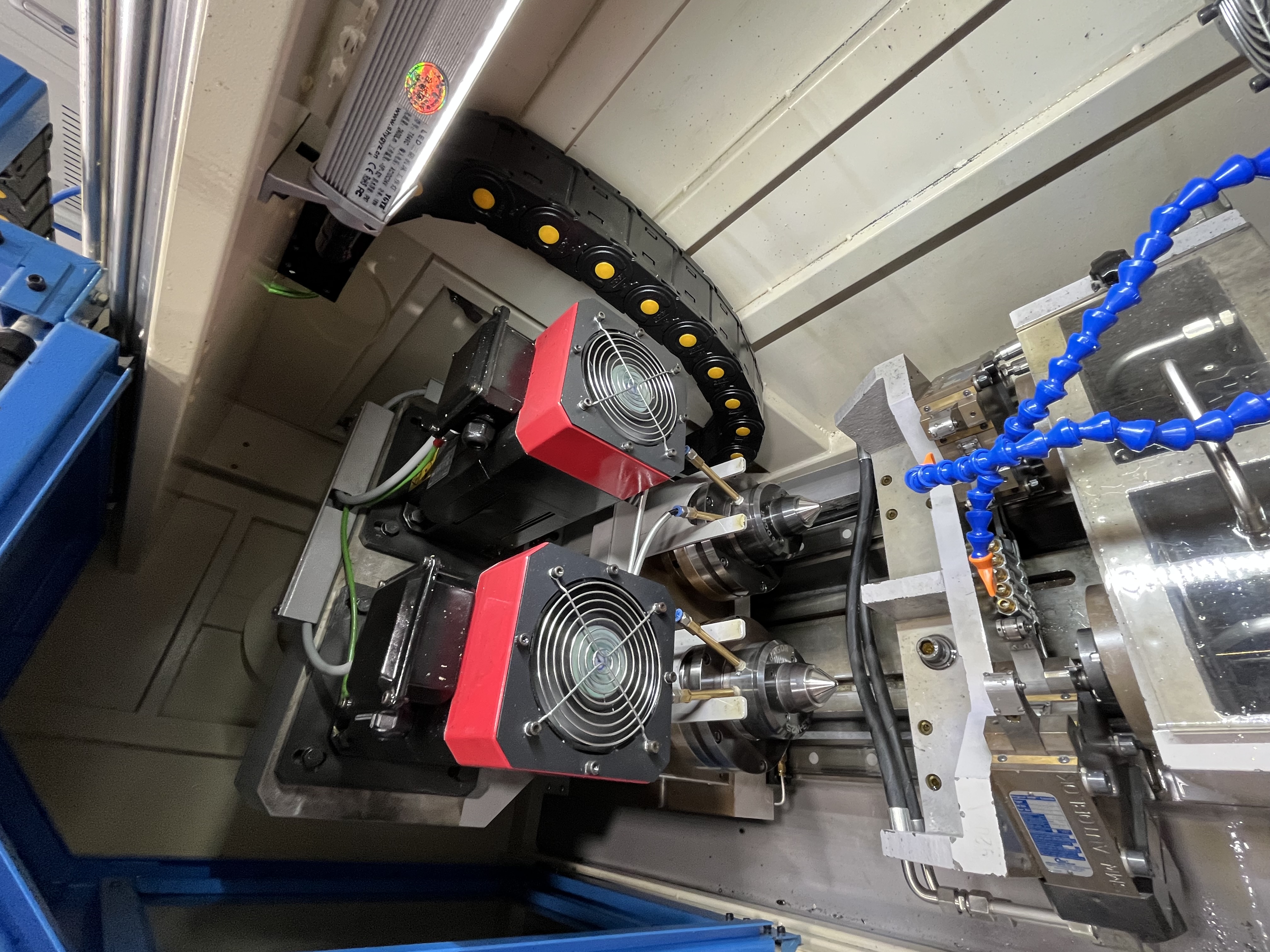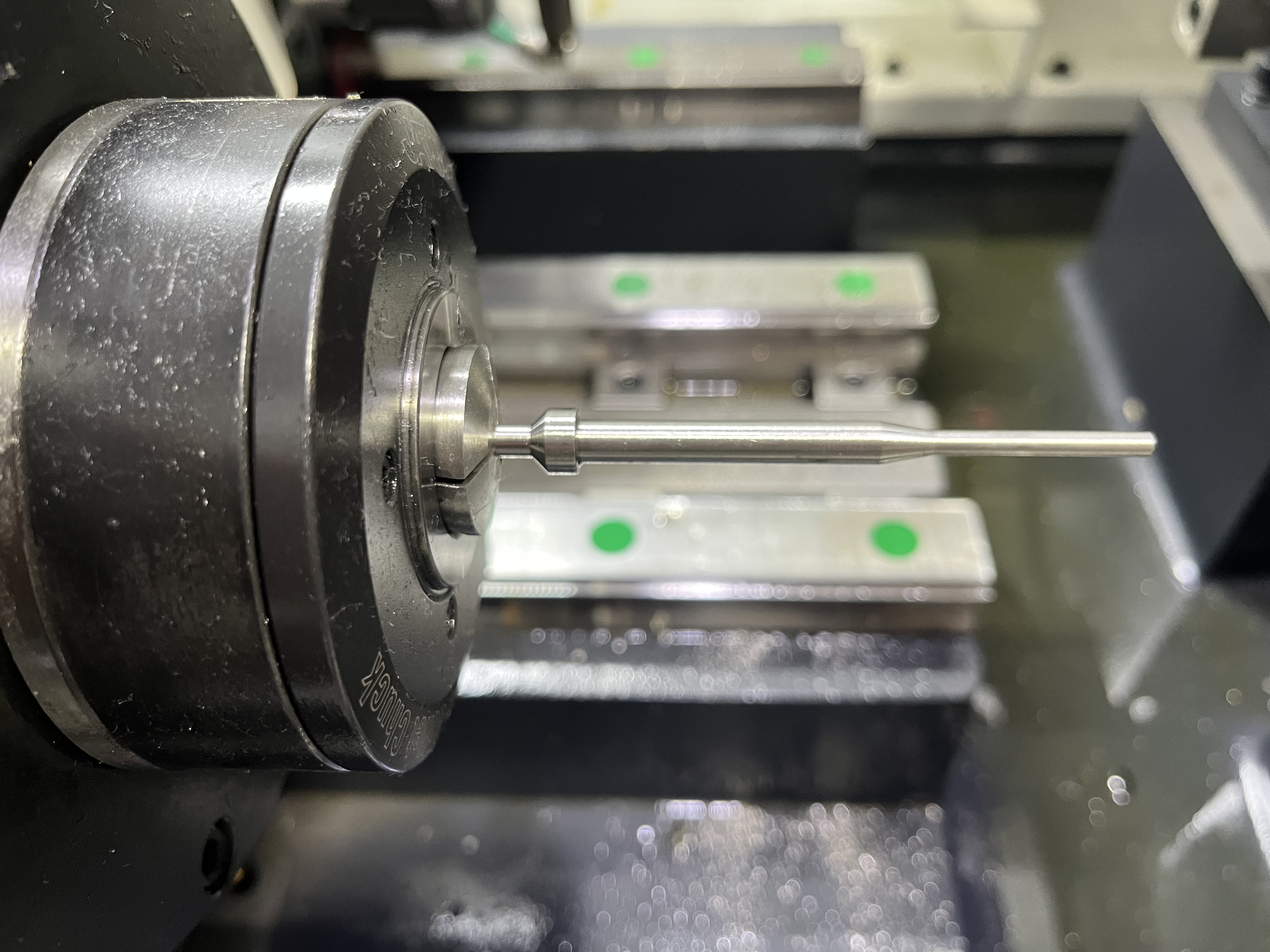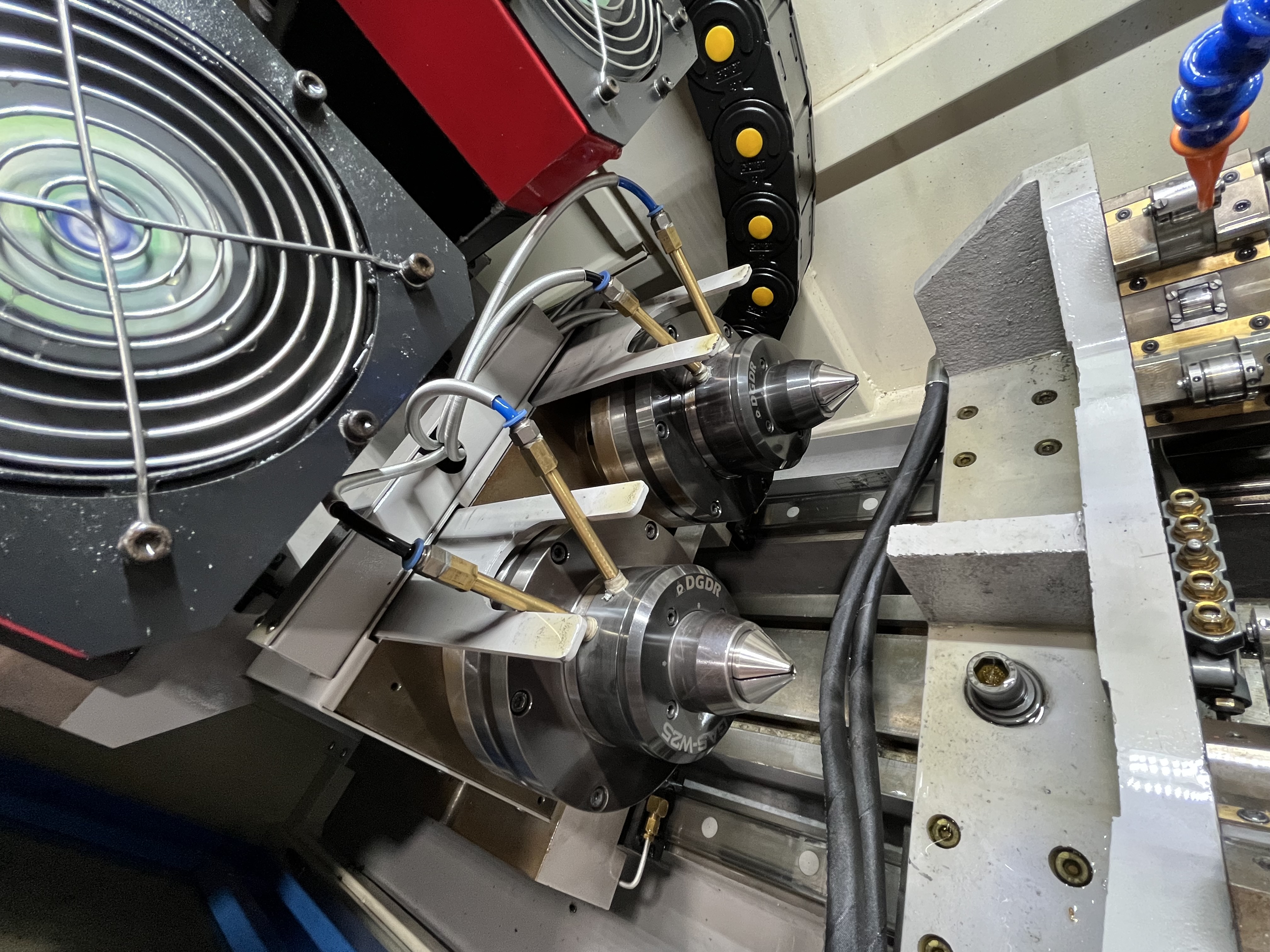
Deep Hole Drilling Machine Monitoring Systems

Machine monitoring for deep hole drilling goes far beyond counting cycles and tracking runtime. The drilling process itself generates a rich set of signals that tell you exactly what is happening at the cutting edge. I have built monitoring systems that predict tool breakage three seconds before it happens, detect material hardness changes mid-bore, and flag coolant system degradation weeks before a failure. What to Monitor Process Parameters The four signals that give the most information about the drilling process are coolant pressure, coolant flow rate, spindle power, and feed force. These four parameters, plotted against time, create a signature for every drilling cycle. ...
June 16, 2026 · Engineer at the Deep Hole

Tool Wear Monitoring in Deep Hole Drilling: Spindle Load, Acoustic Emission, and What I Actually Use

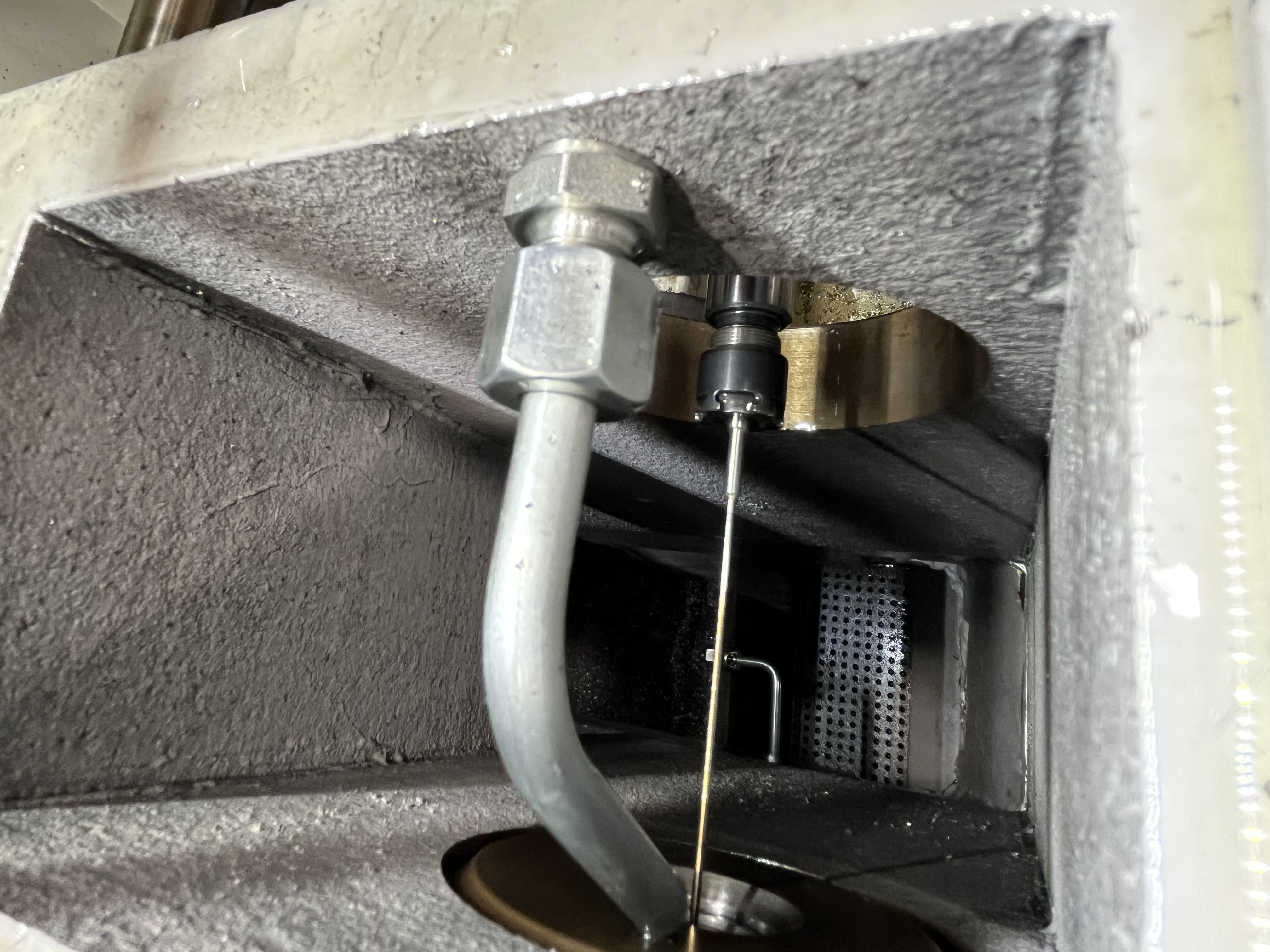
I have broken more gun drills than I care to count. Every one of those breakages happened inside the hole where I could not see it coming. That is what drove me to build a real monitoring strategy — not just watching a spindle load bar on the control, but layering multiple signals so I catch wear, chip packing, and material anomalies before they snap the tool. Here is what I have settled on after years of testing different approaches. ...

June 16, 2026 · Engineer at the Deep Hole

Using Spindle Load for Process Monitoring

Spindle load monitoring uses the spindle drive current to measure the cutting load. Changes in the load indicate changes in the process. The drive amplifier converts the mechanical torque into an electrical current signal. The CNC reads this signal and displays it as a percentage of the drive’s rated capacity. In my experience, this single data stream catches more process problems than any other sensor on the machine. Establishing the Baseline I record the baseline spindle load for each job using a new tool. The baseline is typically 30% to 50% of the spindle drive capacity. I note the load for each stage of the cycle: entry, steady cutting, and exit. Each stage produces a characteristic load signature. ...

June 16, 2026 · Engineer at the Deep Hole

Chip Formation in Deep Hole Drilling: What Good Chips Look Like

I read chip shape to tell whether my parameters are correct. I have caught three imminent drill failures this year alone by spotting a change in chip color before the tool broke. Chip shape is the best indicator of process health in deep hole drilling. Good chips mean good parameters. Bad chips mean trouble. There is no sensor on the machine that tells you what chip shape tells you. I check chips at every tool change on production runs — it takes about five seconds and tells me more about process health than any gauge on the machine. ...

June 11, 2026 · Engineer at the Deep Hole

Penetration Rate Calculations for Deep Hole Drilling

The Basic Calculation Penetration rate is the speed at which the drill advances into the material, expressed in mm per minute. The formula is straightforward and I use it on every job: Penetration rate (mm/min) = Feed rate (mm/rev) x Spindle speed (RPM) For a 10mm gun drill running at 2500 RPM with a feed of 0.04 mm/rev: 0.04 x 2500 = 100 mm/min To estimate the drilling time for a 500mm deep hole: 500mm / 100 mm/min = 5 minutes of actual cutting time ...

June 11, 2026 · Engineer at the Deep Hole

What Different Sounds Tell You About Deep Hole Drilling

Why Sound Matters Sound is the earliest indicator of a problem in deep hole drilling. The gauges show what happened. The sound tells you what is happening right now. I learned this from an operator who had been running gun drills for 30 years. He taught me to listen to the machine before looking at the control panel. The sound changes before the numbers do. A drill that is about to break sounds different 10 seconds before it breaks. The indicators on the screen still look normal. ...

June 11, 2026 · Engineer at the Deep Hole