Systematic Scrap Reduction in Deep Hole Drilling: Tracking Causes and Cutting Losses

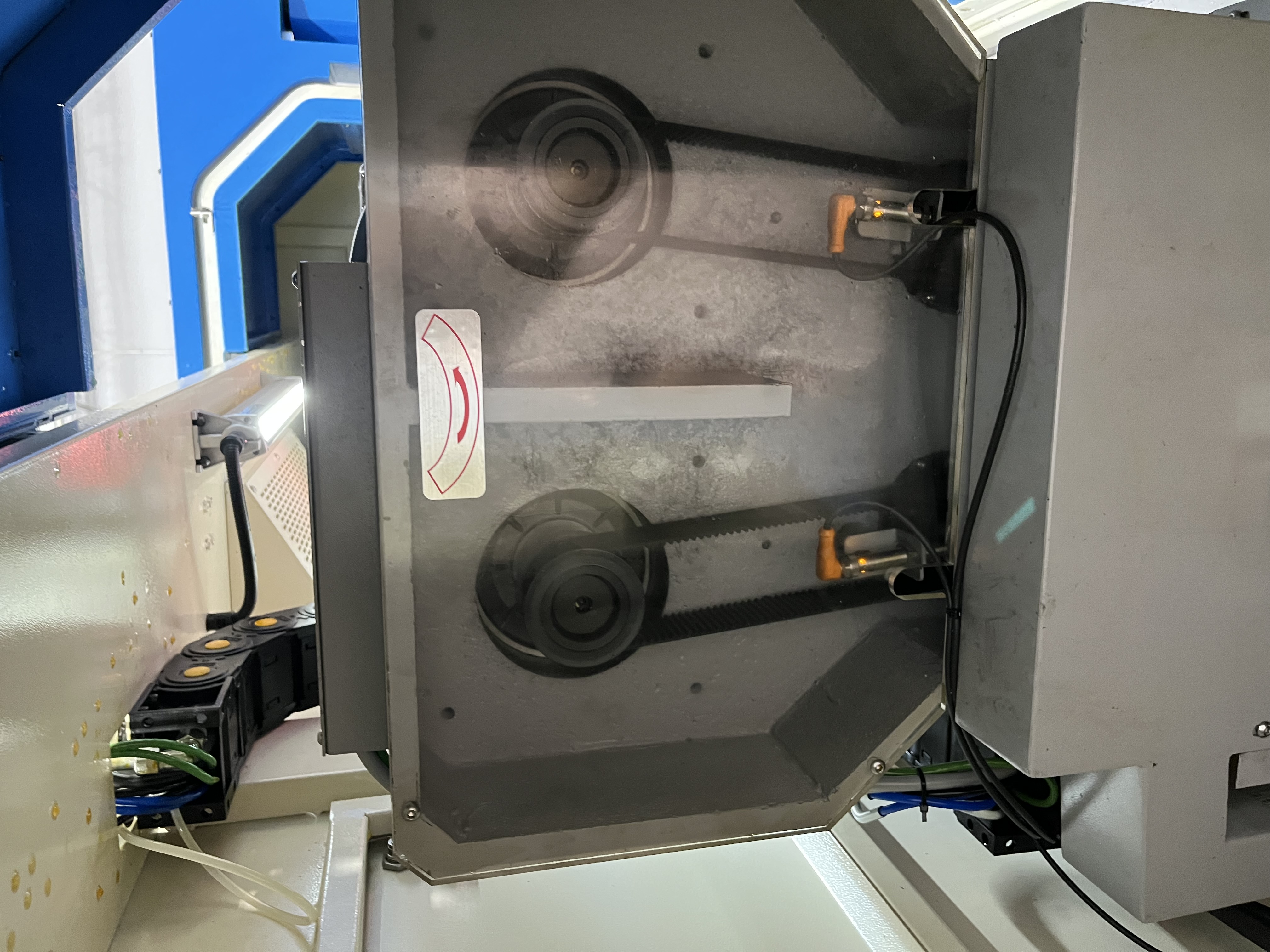
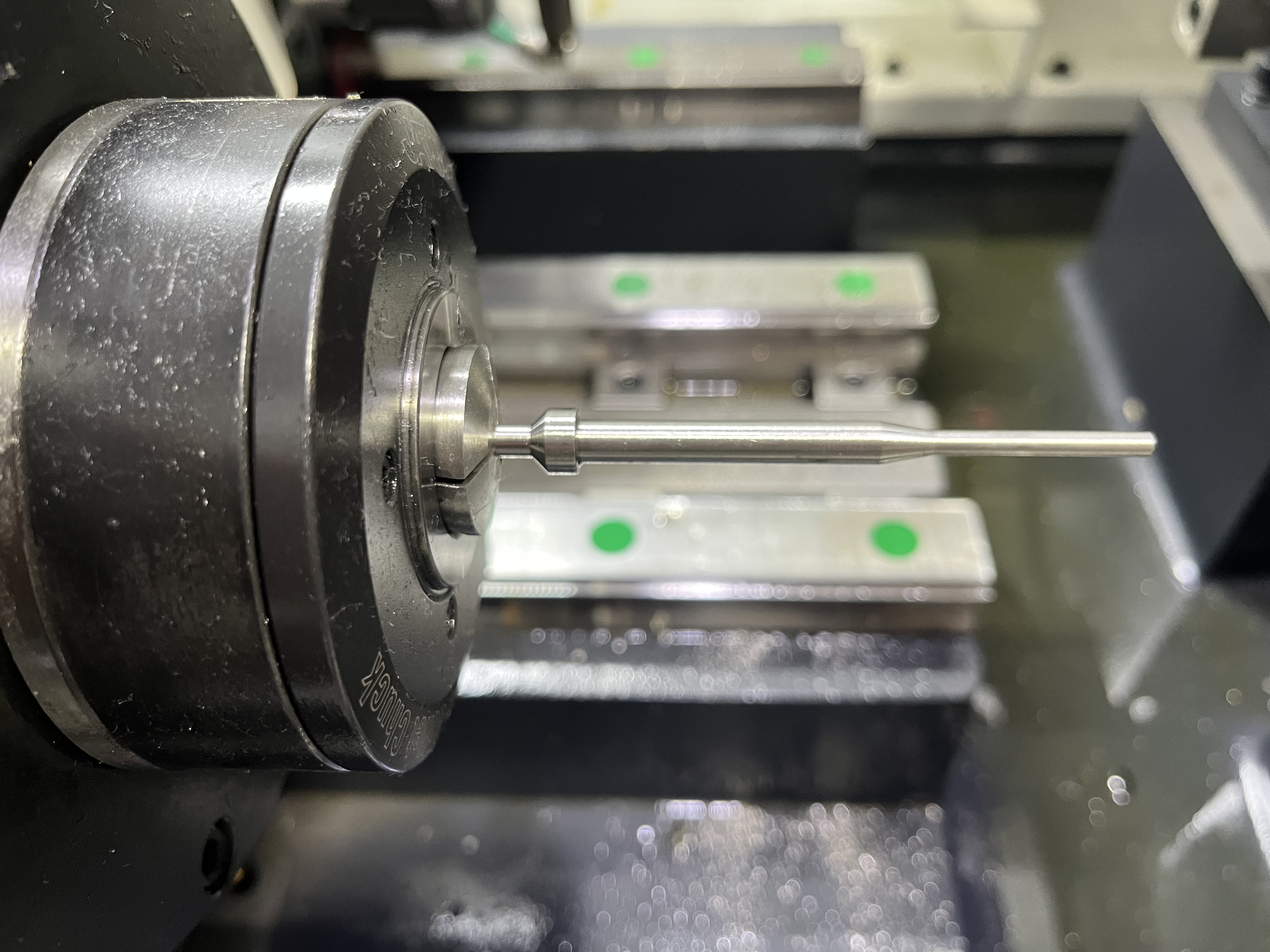
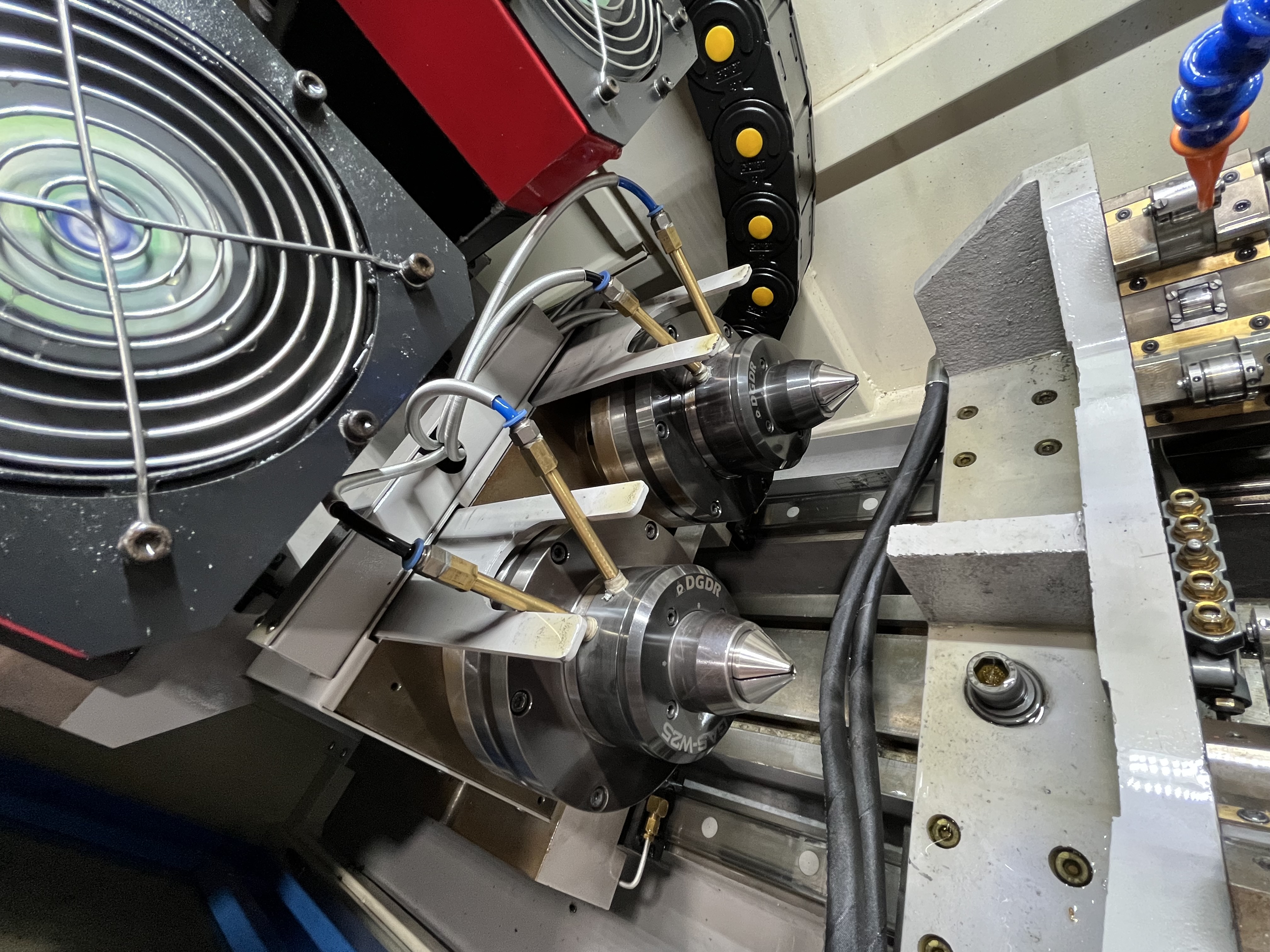
Scrap in deep hole drilling is more expensive than scrap in most other machining operations. By the time the hole is drilled, the part has already been turned, heat-treated, and faced. A scrapped bore means all that upstream work is lost. I have worked on reducing scrap rates across multiple shops. The approach that works is not complex — it is systematic. Track What You Are Scrapping The first step in reducing scrap is knowing what you are scrapping and why. Without data, you are guessing. ...
June 18, 2026 · Engineer at the Deep Hole

Deep Hole Drilling Quality Documentation: First Article Reports, Inspection Data, and What Customers Expect

The paperwork side of deep hole drilling has grown significantly over the years. Customers who used to accept a simple dimensional report now require material certifications, process validation, and full inspection data for every batch. I have adapted my documentation system to meet these requirements without slowing down production. Here is what I document and how. What Customers Typically Require The level of documentation depends on the industry and application. Here is what I see most often: ...

June 17, 2026 · Engineer at the Deep Hole

Cleaning and Degreasing Before Deep Hole Drilling

Why Cleaning Matters in Deep Hole Drilling Cleaning and degreasing before deep hole drilling prevents contamination of the coolant system and the bore surface. A part that is dirty when it enters the machine can cause tool damage, surface finish defects, and coolant degradation. Deep hole drilling uses high-pressure coolant to flush chips from the bore. If the coolant carries dirt, sand, or scale from an uncleaned part, those contaminants recirculate through the system. In a typical BTA system with a 500-liter coolant tank and 40-bar pressure, the coolant circulates through the cutting zone hundreds of times per hour. Each pass carries contaminants across the cutting edges and guide pads. ...

June 16, 2026 · Engineer at the Deep Hole

How Measuring Every Tool Caught a Bad Regrind Before It Ruined a Job

About five years into my deep hole drilling career, I developed a habit that seemed paranoid at the time. Every time a reground gun drill came back from the tool grinding service, I measured it before it went into the machine. Tip diameter, shank diameter, overall length, tip geometry, coolant hole clearance — the full treatment. It added about two minutes per tool. I got the idea from a quality engineer who visited our shop for an audit. He watched me grab a reground drill from the crib and load it into the machine without checking it first. “Do you measure your regrinds?” he asked. “No,” I said. “They’ve been doing our regrinds for ten years. They’re always right.” He just nodded and wrote something in his notebook. I don’t know what he wrote, but I started measuring the next week. ...

June 16, 2026 · Engineer at the Deep Hole

Setting Up a First Article Inspection for Deep Hole Drilling

A first article inspection verifies that the drilling process produces parts within specification before production begins. I run a first article inspection on every new job before approving the batch for production. The inspection catches setup errors, tool problems, and parameter issues before they multiply across hundreds of parts. The Five Measurements I Always Take My first article inspection covers five critical dimensions and characteristics: Hole diameter at entry, mid-length, and exit Surface finish at entry and exit Hole straightness over the full length Hole position relative to datum features Wall thickness concentricity I record every measurement on a checklist that stays with the first article part until the inspection is complete. If any measurement is out of spec, the part is tagged and quarantined for review. ...

June 16, 2026 · Engineer at the Deep Hole

Tool Presetting for Deep Hole Drilling Operations

Tool presetting is one of those steps that operators skip to save five minutes, then spend two hours recovering from the crash that follows. In deep hole drilling, the tool setting accuracy directly determines bore diameter, surface finish, and tool life. I have made a habit of measuring every tool before it goes into the spindle, and the data has shown me patterns I never would have caught otherwise. Why Presetting Matters for Deep Hole Drilling A gun drill with 0.02 mm runout at the tip will produce a bore 0.03 to 0.05 mm oversize, depending on the material and feed rate. That may not sound like much, but if your tolerance is ±0.025 mm, you are already out of spec. The relationship between runout and bore quality is nonlinear. I have seen a 0.01 mm increase in tip runout produce a 0.025 mm increase in bore diameter. ...

June 16, 2026 · Engineer at the Deep Hole

When Quality Control Rejected Good Parts — a Communication Problem

The parts came back from quality control with a bright red rejection tag attached. REJECTED — SURFACE FINISH NONCONFORMING. I picked up the tag and read the reason code: “Surface finish exceeds maximum allowable roughness per print specification. Ra 3.2 micrometers maximum required. Measured value per profilometer: Ra 4.1.” I looked at the parts in the red bin. They were a batch of hydraulic manifold blocks — 4140 steel, with a 16mm hole drilled 300mm deep using a BTA drill. I’d run them myself that morning, and I knew the surface finish was good. Not a mirror finish — BTA drilling doesn’t leave a polished bore — but perfectly adequate for the hydraulic application. The customer had been accepting similar finishes from us for years without a single complaint. ...

June 16, 2026 · Engineer at the Deep Hole

Deep Hole Drilling Job Setup Checklist

I use a fixed setup checklist for every deep hole drilling job. It takes five minutes to run through and has prevented more scrapped parts than any other process control I have implemented. A cold machine, a dirty bushing, or a clogged coolant line will ruin a part faster than any programming mistake. Step 1: Machine Warm-Up I run the spindle at operating speed with coolant circulating for at least 30 minutes before starting a job. A cold machine does not drill straight holes because the spindle, headstock, and bed expand as they warm up. ...

June 12, 2026 · Engineer at the Deep Hole

Training Program for New Deep Hole Drilling Operators

Training new deep hole drilling operators takes about 3 to 4 weeks before they can work independently. I use a structured program that builds skills gradually. In my experience, rushing the program produces operators who can push the green button but cannot diagnose a problem. That costs more in scrapped parts than the extra two weeks of training. Week One: Machine Fundamentals Week 1 covers the basics. The operator learns every machine component, the safety systems, the coolant system operation, and tool handling. By the end of week one, the operator can inspect a gun drill under a 10x magnifier, install a guide bushing correctly, and start and stop the machine safely. ...

June 12, 2026 · Engineer at the Deep Hole

Why I Now Check Coolant pH Level Every Week

A batch of hydraulic cylinders came out with a strange discoloration on the bore surface. The dimensions were fine. The surface finish was fine. But the parts looked wrong. The customer rejected the whole batch. I checked the coolant and found the pH had dropped to 7.5. The coolant had gone acidic, which caused it to etch the steel surface. The discoloration was light surface corrosion. The fix was simple. I changed the coolant and added biocide to prevent bacterial growth. The pH returned to 9.5 and the next batch was fine. But the rejected batch was a total loss. The cost of those cylinders was several thousand dollars. ...

June 12, 2026 · Engineer at the Deep Hole