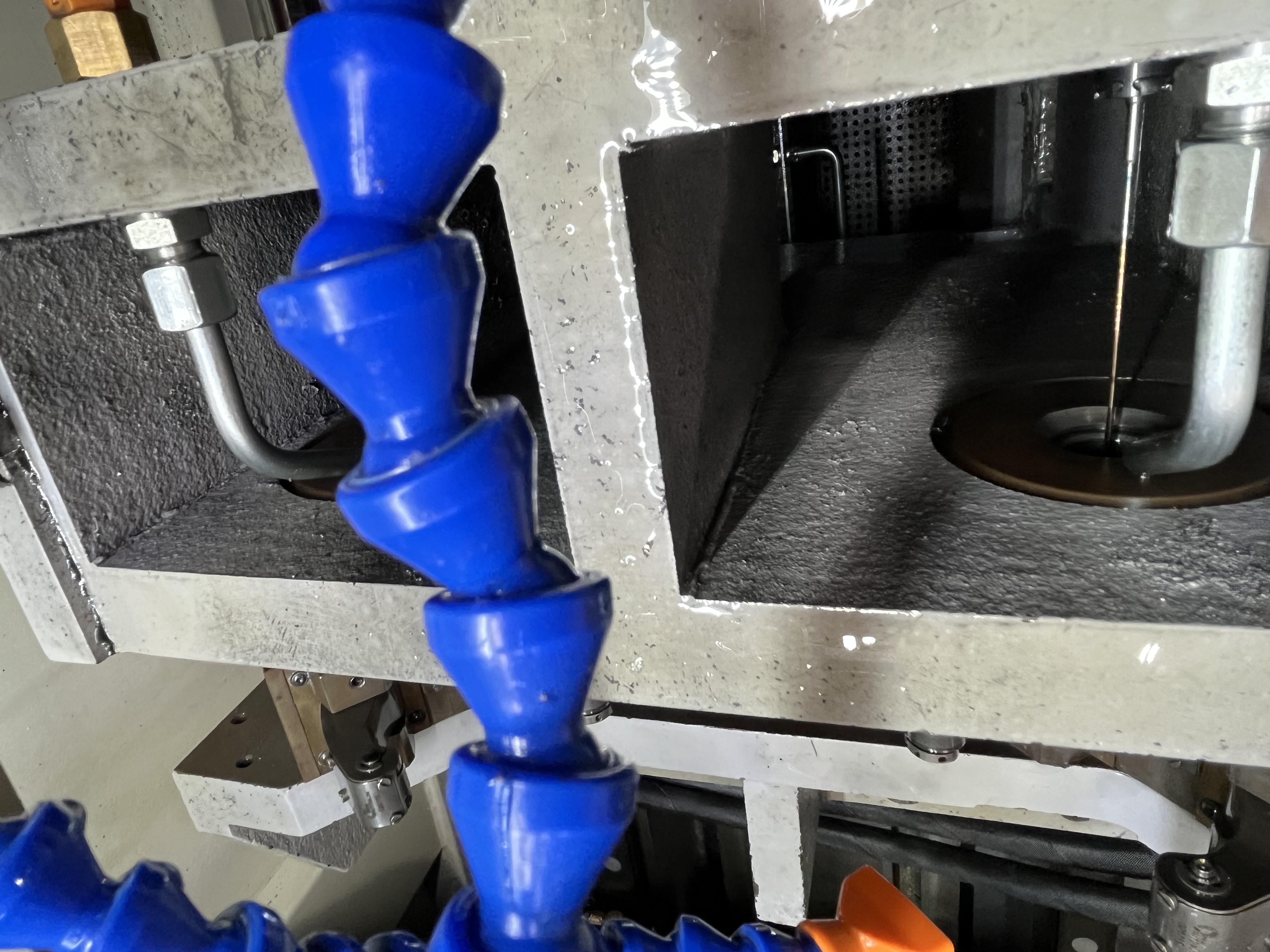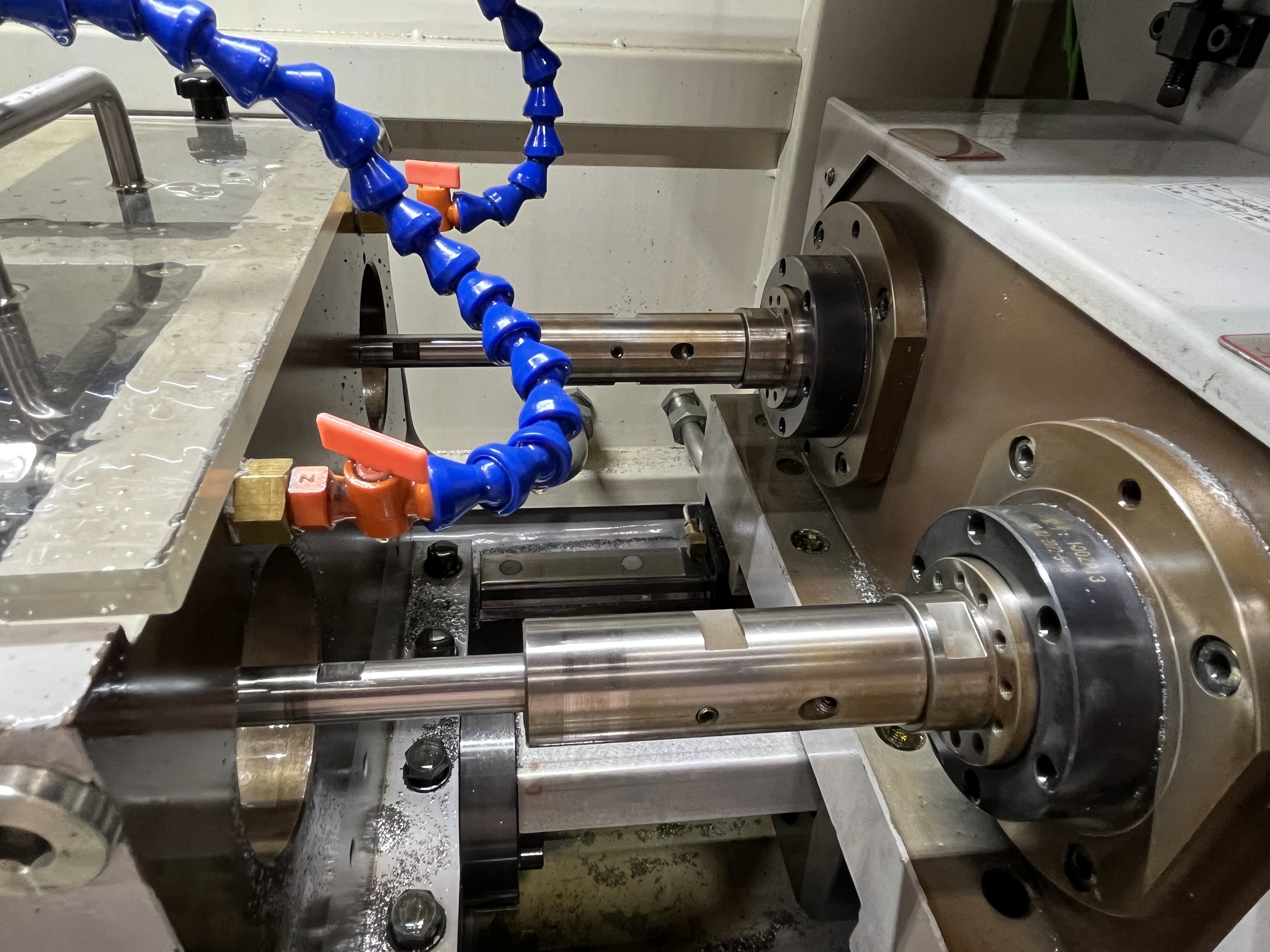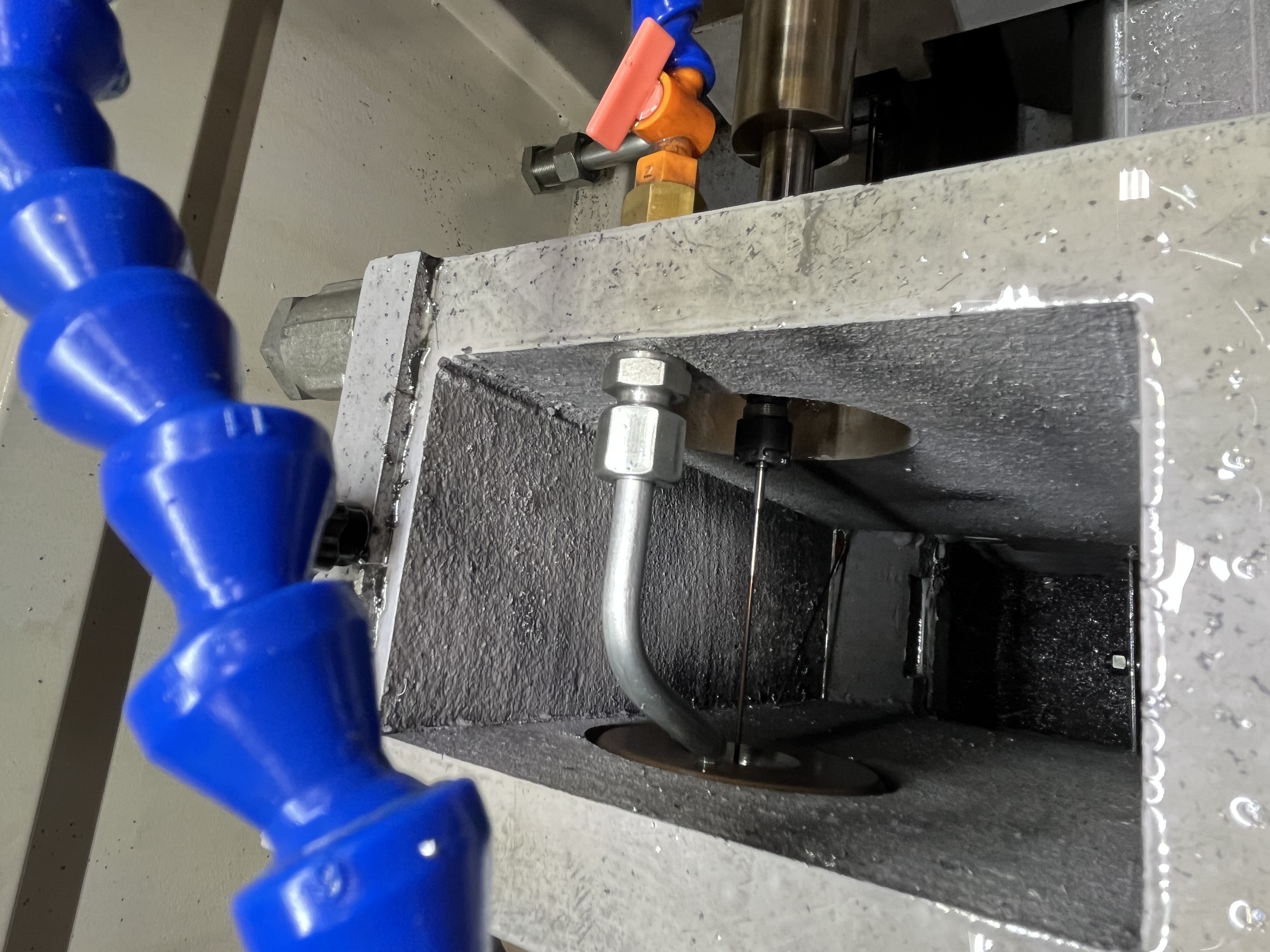
Deep Hole Drilling for Repair and Rework Applications

Deep hole drilling is a high-risk process. When something goes wrong – a drill breaks in the bore, the bore wanders off position, or the surface finish is out of spec – the part is not necessarily scrap. I have salvaged thousands of dollars worth of components by knowing how to repair and rework bores. The key is knowing when a part can be saved and when it cannot. I have a simple rule: if the repair costs less than 60% of the replacement cost, it is worth doing. Anything over that and the customer is better off starting fresh. ...
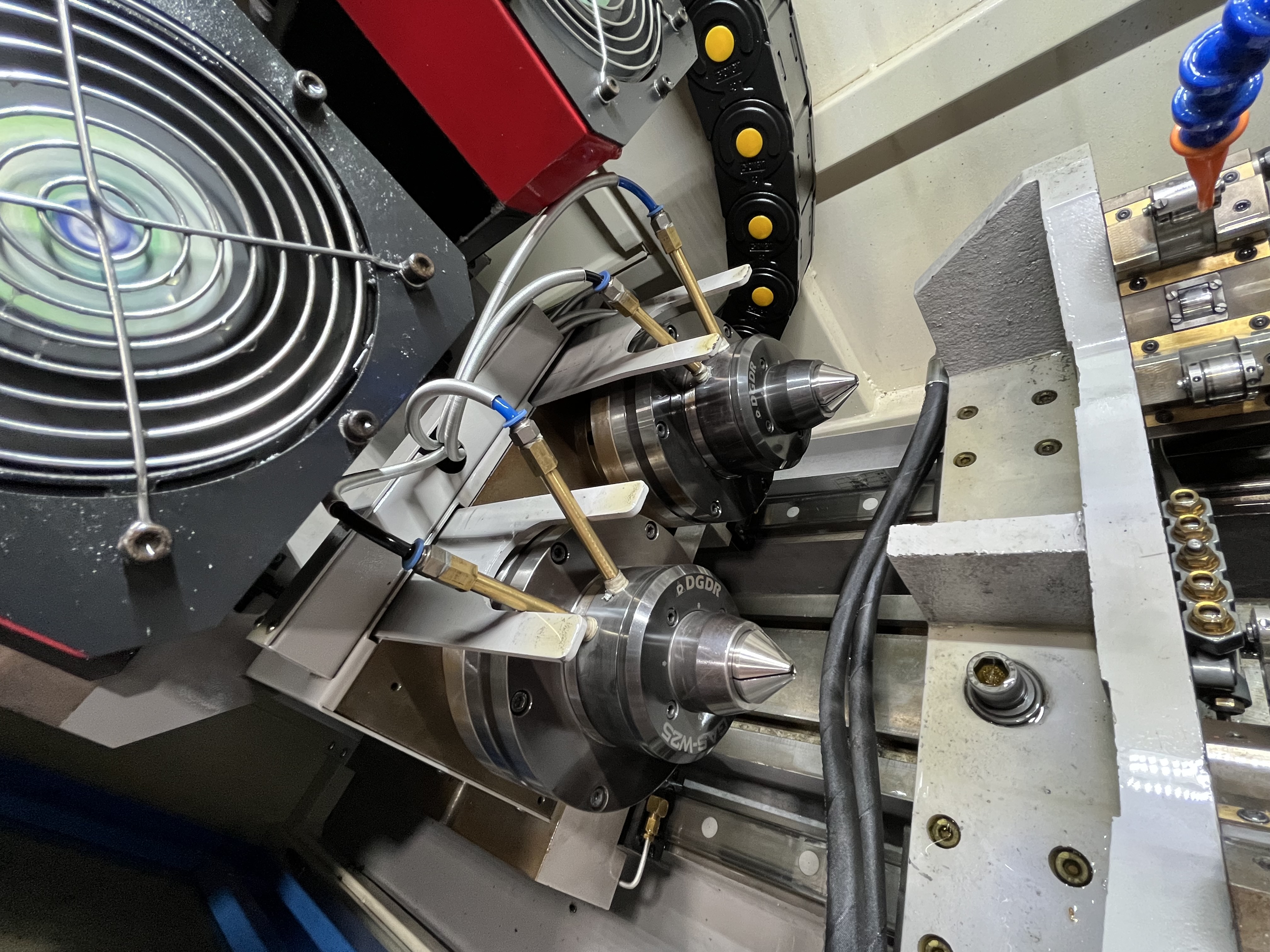
June 16, 2026 · Engineer at the Deep Hole

Oversized Hole Repair Using Press-Fit Bushings

When a bore comes out oversized, pressing in a thin-walled bushing can save the part. The process involves boring the damaged hole to a larger diameter, pressing in a bushing, then boring or drilling the bushing to the original size. I have used this technique on hydraulic cylinder barrels, pneumatic valve bodies, and machine tool housings. It is a reliable repair method when done correctly, but the details matter a great deal. ...

June 16, 2026 · Engineer at the Deep Hole

Drilling Out Broken Tools: Techniques and Tools

Assessing the Breakage Before Extraction Every deep hole driller breaks tools eventually. When a gun drill breaks in the bore, the first step is not to panic. I assess the situation before deciding how to extract the broken tool. I ask myself three questions: where in the bore did it break, how deep is the broken piece, and is the tool jammed or loose. The location of the break matters more than most people realize. If the tool broke near the entry, I have more options. A break at the far end of a deep bore changes my strategy entirely. I use a borescope to examine the break point before committing to any extraction method. In my experience, thirty minutes of inspection saves hours of trial-and-error extraction work. ...

June 12, 2026 · Engineer at the Deep Hole

Repairing Damaged Deep Holes: Methods and Limits

When Repair Makes Sense Not every bad hole is scrap. I try to repair a bad hole before scrapping a high-value part, especially when the part is large, complex, or made from expensive material. Repairing a deep hole is almost always cheaper than scrapping a part that may have hundreds of dollars of material and hours of machining already invested. The decision to repair depends on three factors: how much material can be removed, how deep the defect extends, and what tools are available to reach the defect. I have successfully repaired holes up to 2 meters deep, but only when the right tooling was available. ...

June 12, 2026 · Engineer at the Deep Hole

Welding and Re-Drilling: Salvaging Deep Hole Parts

When a bore is out of position or oversized, welding and re-drilling can sometimes save the part. The process involves welding the damaged bore closed, then re-drilling to the correct position and size. I have used this technique on hydraulic cylinders, valve bodies, and large mechanical components. It is not a perfect solution but it beats scrapping a high-value part. The decision to weld-repair a bore comes down to economics and geometry. I evaluate the part against three criteria: the base material must be weldable, the wall thickness after repair must be adequate, and the repair cost must be less than half the replacement cost. If any of these conditions is not met, I recommend scrapping the part and starting fresh. ...

June 12, 2026 · Engineer at the Deep Hole