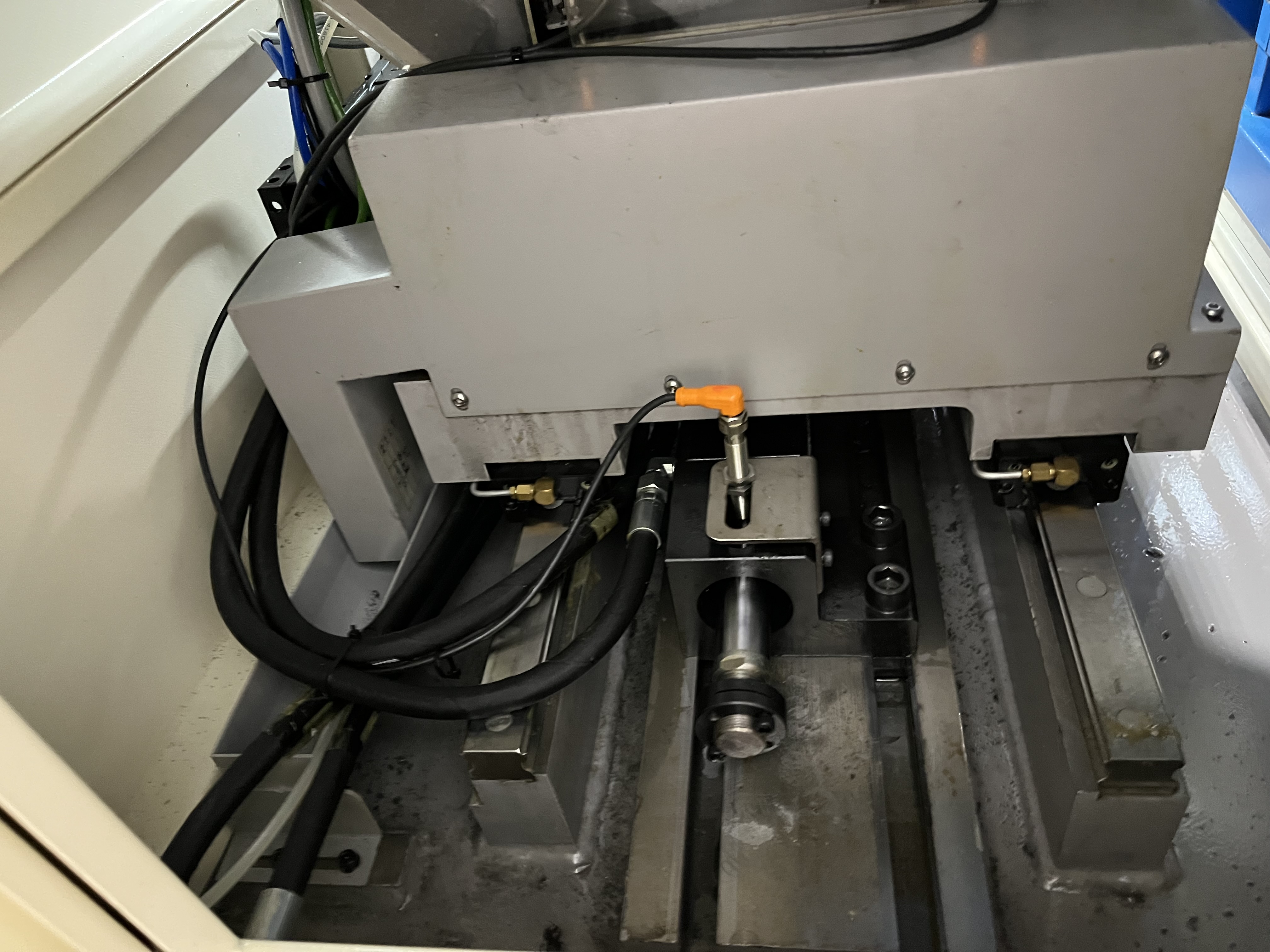
High-Pressure Coolant Seals for Deep Hole Drilling

High-pressure coolant seals are the weak link in every deep hole drilling machine. They operate at the boundary between rotating and stationary components, exposed to abrasive coolant, high pressure, and continuous wear. I have seen seal failures cause coolant leaks that damaged spindle bearings, contaminated gearboxes, and flooded machine enclosures. A single seal failure at the wrong time can cost $15,000 in repairs and three days of downtime. Where Seals Are Used The primary seal locations in a deep hole drilling machine are the rotating union (coolant inducer), the spindle draw tube connections, the coolant pump shaft seal, and the high-pressure hose fittings. Each location has different operating conditions and requires a different seal type. ...
June 16, 2026 · Engineer at the Deep Hole

Rotating Union Maintenance and Seal Replacement

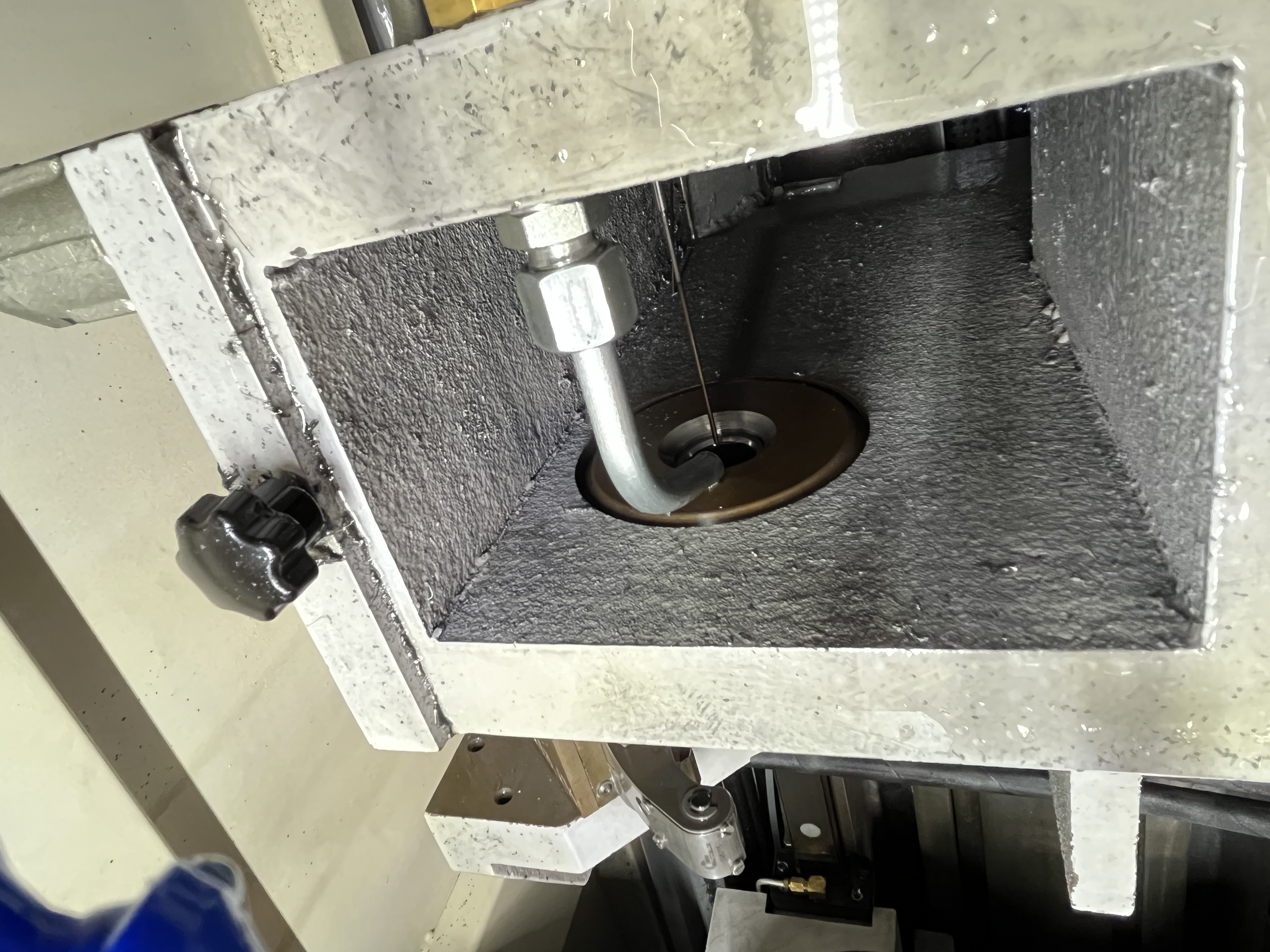
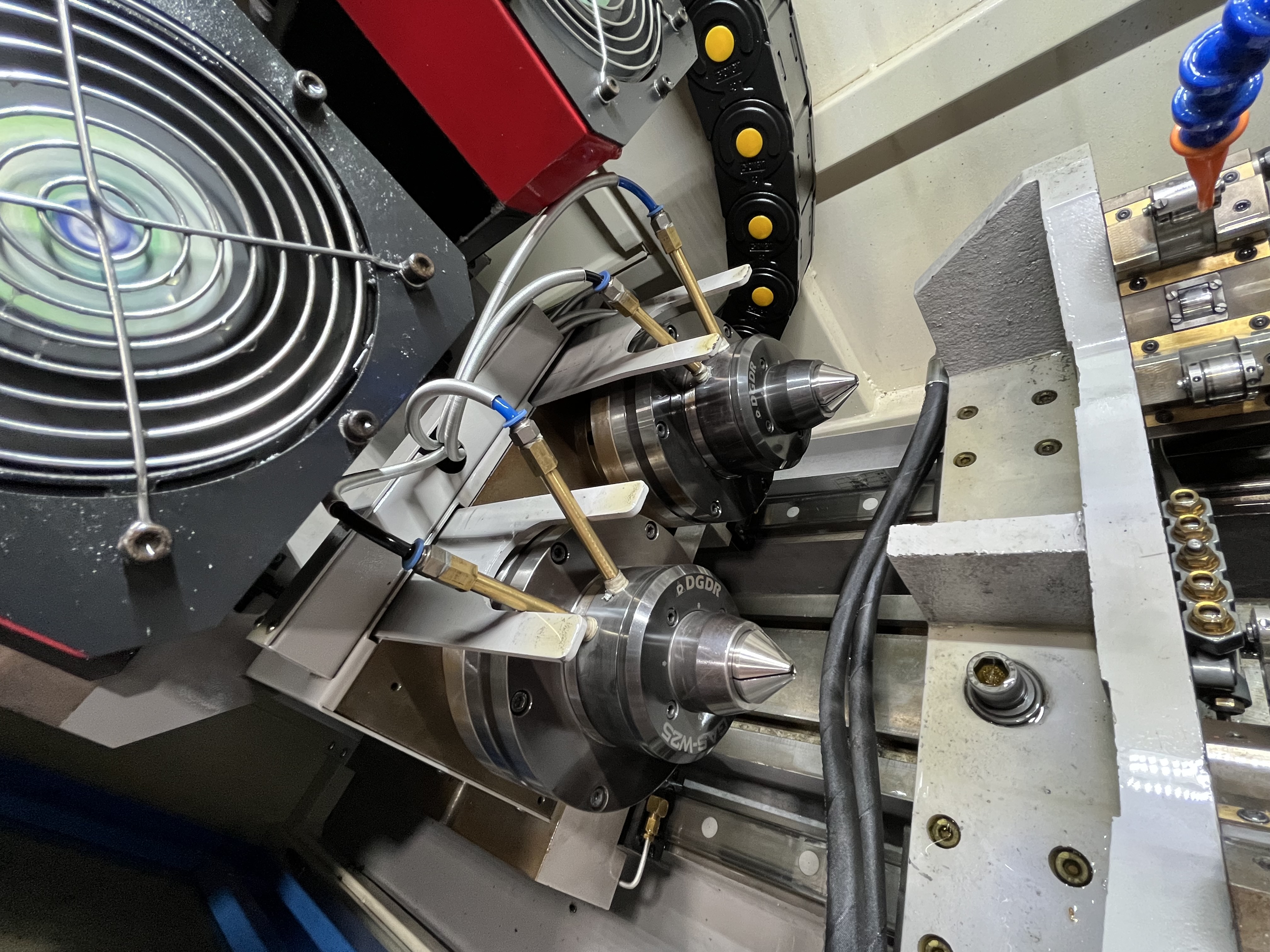
The rotating union transfers coolant from the stationary supply line to the rotating spindle. It is one of the most common failure points on a deep hole drilling machine. A failed union causes pressure loss and coolant spray, and it can also cause mist to flood the work zone. In my experience, roughly 30% of unscheduled downtime on deep hole machines traces directly back to this component. Anatomy of a Rotating Union The union sits between the machine coolant manifold and the spindle shaft. Inside, a stationary housing holds the inlet port while a rotating shaft connects to the spindle bore. The two halves meet at a mechanical seal face. Standard designs use silicon carbide seal faces running against a carbon ring. In larger machines rated above 80 bar, I have seen tungsten carbide faces used instead. The shaft rotates with the spindle, so the seal must maintain contact pressure while the spindle runs at several thousand RPM. ...

June 16, 2026 · Engineer at the Deep Hole

Thru-Spindle Coolant System Maintenance for Deep Hole Drilling

The thru-spindle coolant system is the circulatory system of a deep hole drilling machine. When it fails, you lose coolant pressure, which means chip evacuation stops, which means a broken drill in the bore. I have seen repair bills above $15,000 for a single rotating union failure, not counting the downtime. Keeping this system running is not complicated, but it does require consistent attention. Components of the Thru-Spool System The typical setup includes a rotating union (sometimes called a coolant inductor) mounted at the top or rear of the spindle, a draw tube running through the spindle bore, and sealing elements at both ends. Some machines use a stationary coolant gland and a rotating adapter. Either way, three critical components need regular inspection. ...

June 16, 2026 · Engineer at the Deep Hole