Evaluating Your Existing Machine for Gun Drilling: What to Check Before You Start

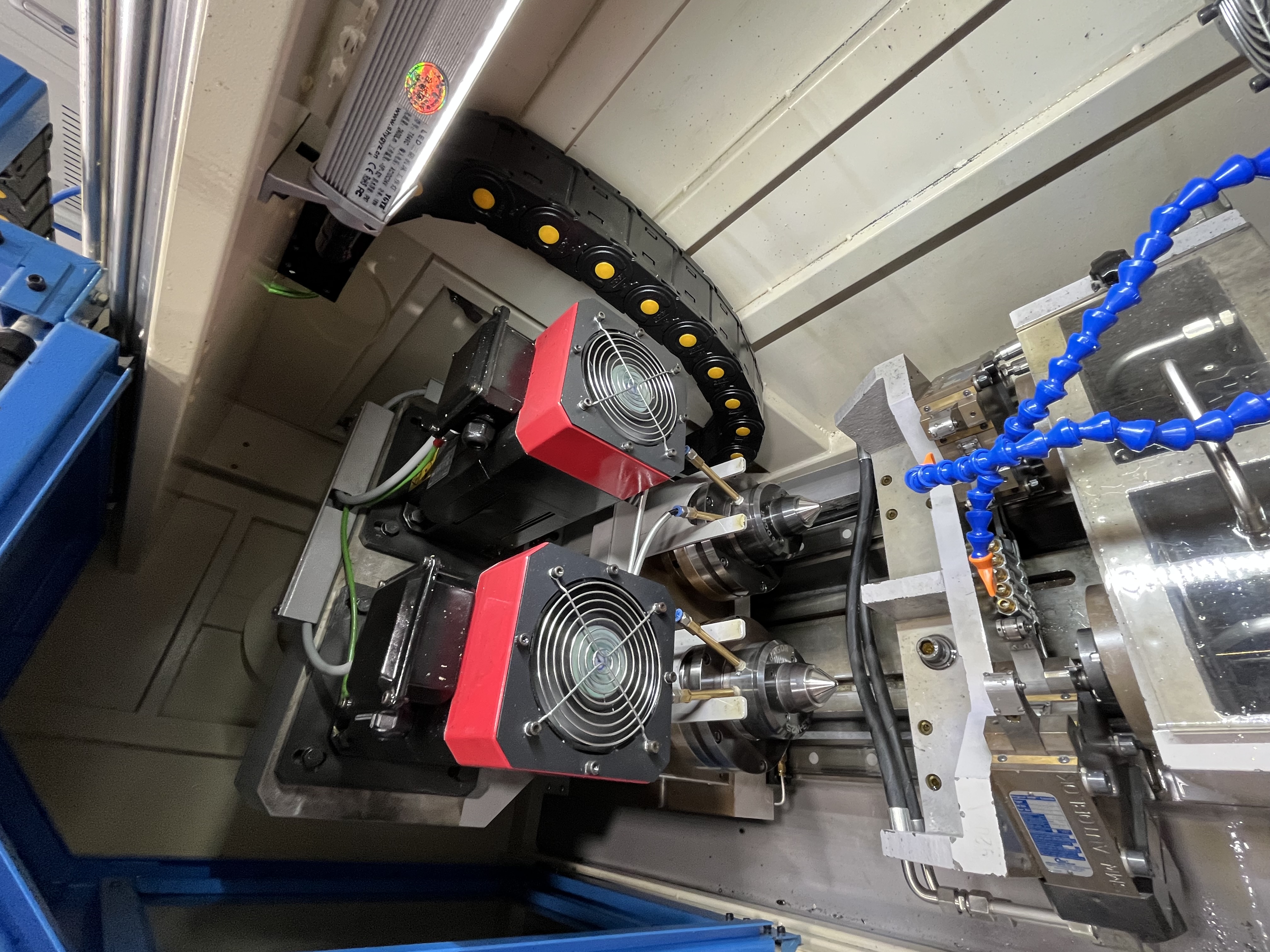
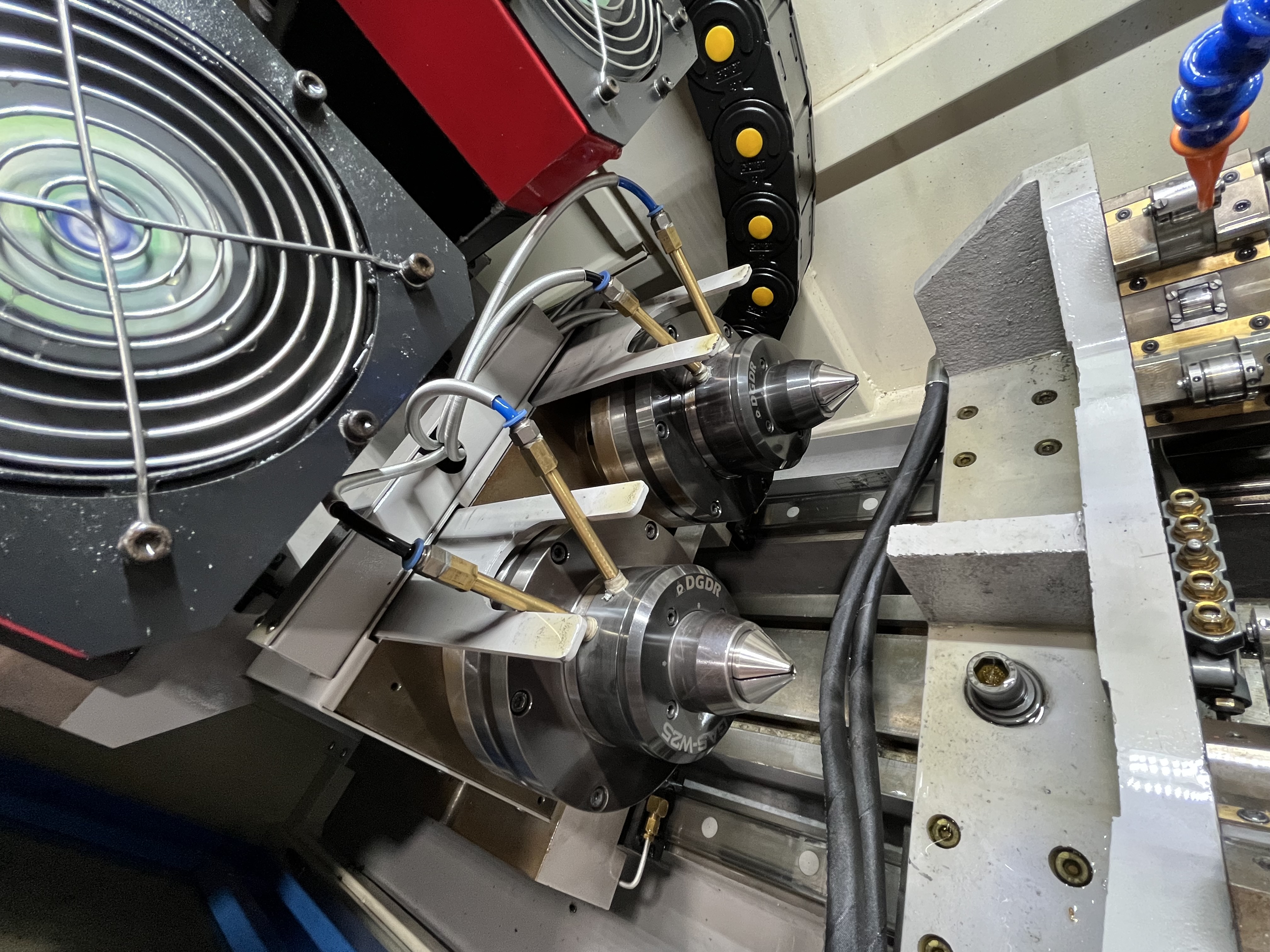
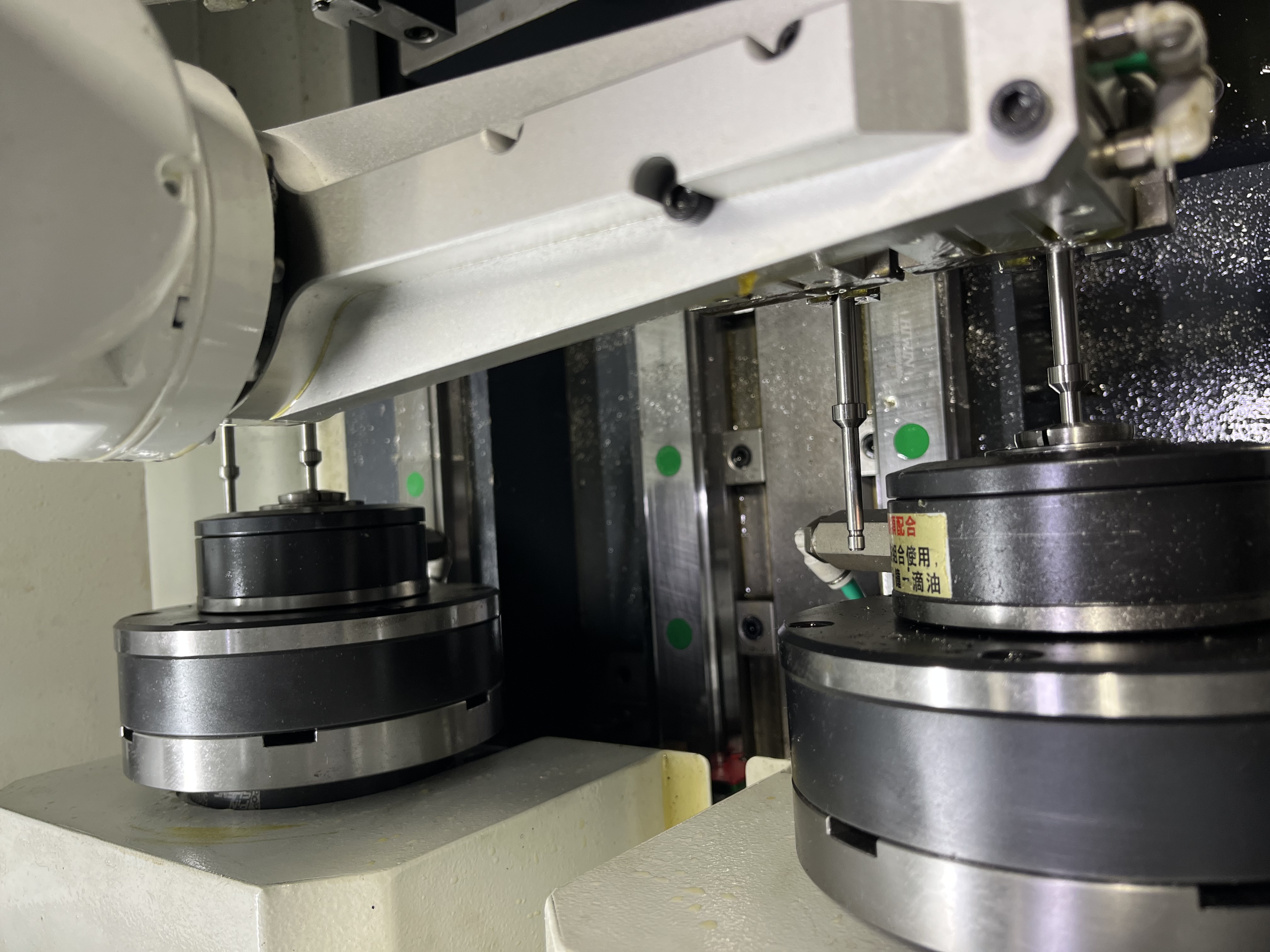
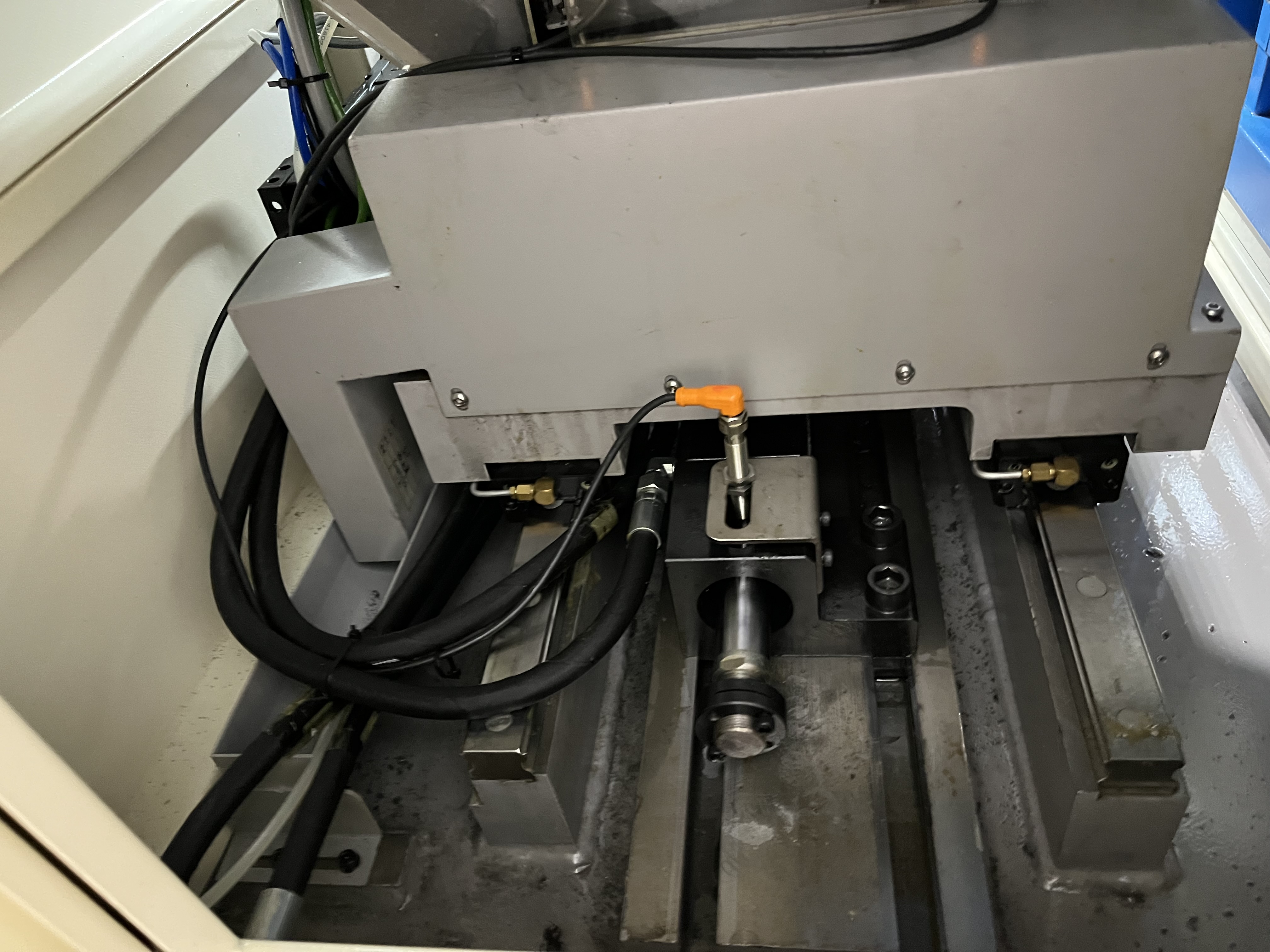
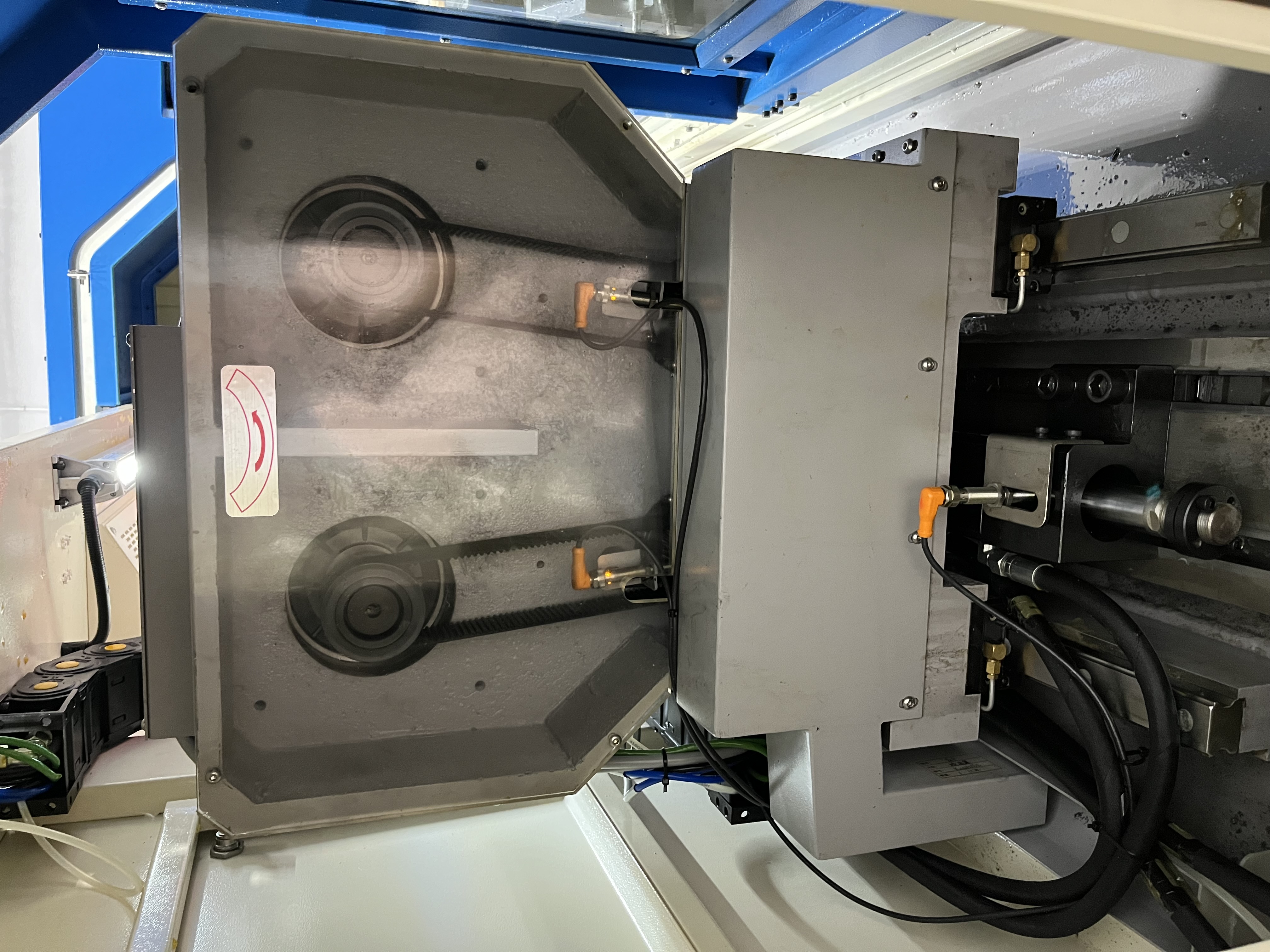
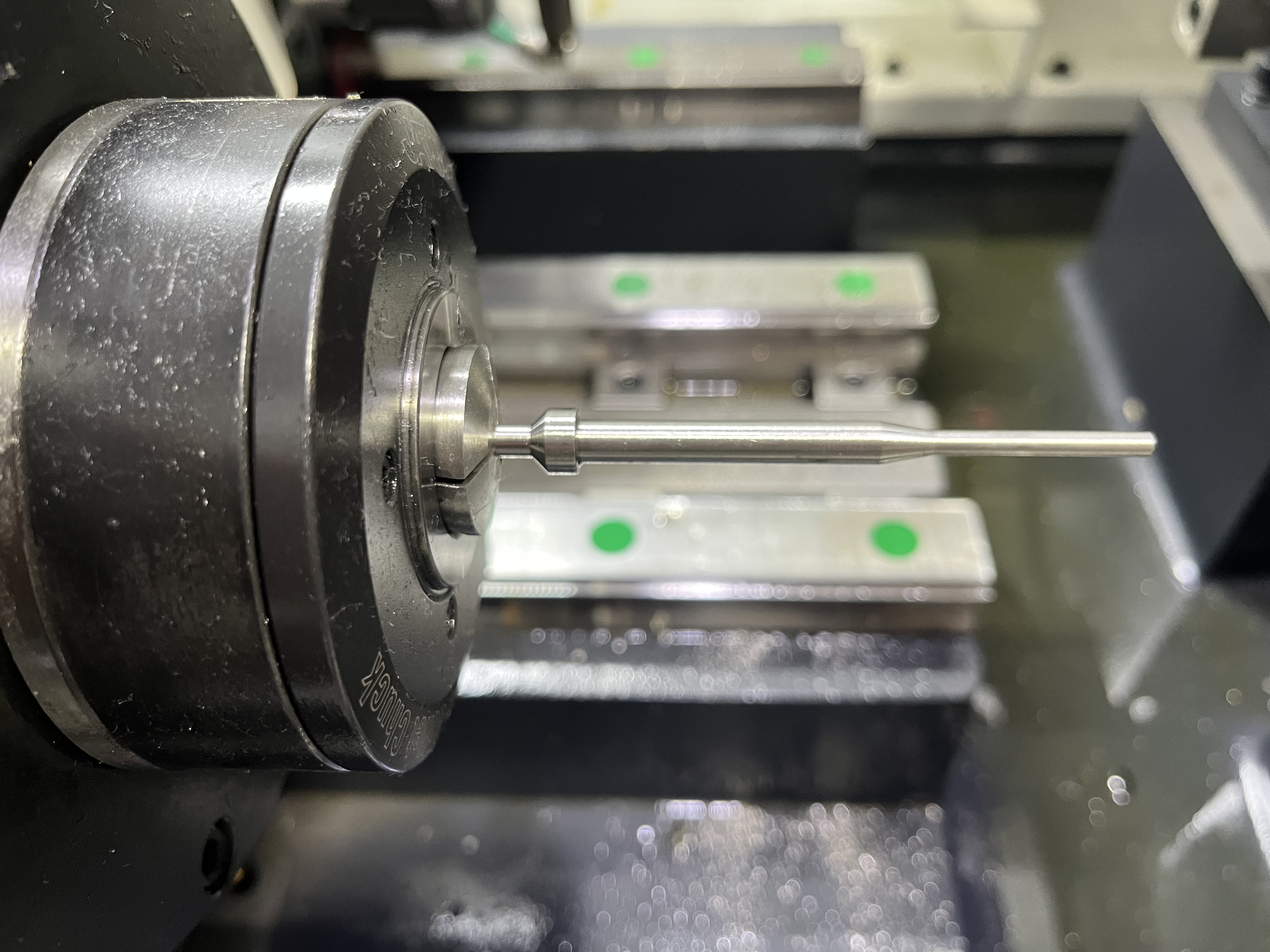
I get calls from shops that bought a gun drill and want to run it on their existing CNC lathe or manual mill. Half the time, the machine can handle it. The other half, they are fighting the machine’s limitations from day one. Here is how I evaluate whether a machine is suitable — and what to look for if it is not. Spindle Speed Range Gun drilling needs relatively low RPM compared to conventional drilling. For a 10mm gun drill running at 250 SFM, spindle speed is about 2400 RPM. Most lathes and mills can reach that easily. ...
June 16, 2026 · Engineer at the Deep Hole

Gun Drilling Coolant Requirements: Minimum Pressure and Flow by Diameter

Every time I talk to a shop that wants to start gun drilling, the question comes up: how much coolant pressure do I really need? The manufacturer’s spec sheet usually says 1000-2000 psi. But real-world results vary depending on diameter, depth, and material. Here is what I have found works — and what does not. Pressure vs Flow: What Matters for Chip Evacuation Coolant does two jobs in gun drilling: it lubricates the cutting edge and it pushes chips back along the flute. Lubrication needs pressure. Chip evacuation needs flow. You need both. ...

June 16, 2026 · Engineer at the Deep Hole

Planning a Deep Hole Drilling Job: Step by Step

I plan each job in seven steps before touching the machine. Good planning prevents problems during production. I have learned through experience that skipping any of these steps leads to scrapped parts and broken tools. I developed this checklist after enough failures to know better. Here is my complete planning process for a deep hole drilling job. Step 1: Review the Print I start with the print review. I check hole diameter, depth, tolerance, surface finish, and material grade. These five factors determine everything else in the plan. ...

June 12, 2026 · Engineer at the Deep Hole

A Job That Took Three Setups to Get Right

The First Setup: Misalignment I had a job drilling a 20mm bore through a 300mm stainless steel block. The material was 316L, which is notoriously gummy and work-hardens at the cut zone if the tool rubs instead of shearing. The customer spec called for a positional tolerance of 0.1mm at the exit, a diameter tolerance of H8, and a surface finish of Ra 0.8 microns. Simple, right? I had drilled hundreds of holes through stainless steel. I set up the machine, aligned the guide bushing with the tailstock center, and started cutting. ...

June 11, 2026 · Engineer at the Deep Hole

Deep Hole Drilling Fixture Design Principles

A fixture is a custom workholding device designed for a specific part. Unlike standard chucks and steady rests, fixtures are built to match the part geometry exactly. A good fixture reduces setup time and improves consistency. I’ve designed and used fixtures for all types of deep hole drilling work. The same principles apply regardless of the part shape. Design Principles Support the part at the bore location. The most important principle. The part should be supported as close as possible to where the drill enters and exits. Unsupported span allows the part to deflect. ...

June 11, 2026 · Engineer at the Deep Hole

Drilling Long Cylinders: Setup and Support Strategies

Long cylinders — anything over 2 meters — are a different class of work from shorter parts. The setup and support requirements are more demanding, and the consequences of a mistake are larger. I’ve drilled cylinders up to 6 meters long for hydraulic and industrial applications. The principles for setting up long work are the same regardless of the specific part. Support Spacing The most important decision when setting up a long cylinder is the support spacing. A cylinder that sags under its own weight produces a bore that’s not straight. ...

June 11, 2026 · Engineer at the Deep Hole

Eccentric Hole Drilling: Setup and Considerations

I spot face the entry before drilling eccentric holes. Eccentric holes are holes that are not centered on the part axis. The drill enters the material at an angle relative to the surface, which causes the tip to deflect if the entry is not prepared properly. A bad setup here almost always produces a scrapped part. Preparing the Entry Surface The first thing I do is create a flat entry surface with a spot face cutter. The spot face must be perpendicular to the drill axis, not to the part surface. Without the spot face, the drill hits the curved surface at an angle and slides down it, shifting the hole position by as much as 0.5mm on a 50mm diameter shaft. ...

June 11, 2026 · Engineer at the Deep Hole

How to Lay Out Deep Hole Drilling Positions on a Part

Why Layout Matters More for Deep Holes A deep hole drilled in the wrong position is scrap. The deeper the hole, the more material I waste when I miss the location. A 500mm hole missed by 2mm at the entry end might be off by 5mm at the exit end, and the entire workpiece is lost. The geometry of deep holes amplifies layout errors. A 0.5mm error at the entry point becomes a much larger error at the exit, especially for long holes. The critical dimension is often the hole position at the exit face, where the hole needs to connect with a cavity or another hole. ...

June 11, 2026 · Engineer at the Deep Hole

How to Read and Set Deep Hole Drilling Parameters

I dial in parameters in a specific order. Skip ahead and you’ll chase problems that were avoidable. Here is my workflow for setting up a new deep hole drilling job. This guide assumes you already understand the basics. For a deeper look at the underlying theory, see my parameter guide. For material-specific speed and feed tables, check the speeds and feeds reference. My Step-by-Step Workflow I start from the work material and work forward. Each step depends on the one before it. ...

June 11, 2026 · Engineer at the Deep Hole

Organizing Gun Drill Inventory for Quick Setup

An organized gun drill inventory saves time during setup and prevents the wrong drill from being used on a job. I’ve seen shops waste hours looking for the right drill. Here’s how I organize gun drill inventory. Labeling System Every gun drill gets a label showing: Diameter (in mm) Length (in mm) Type (standard, carbide-tipped, solid carbide) Condition (new, used X holes, needs regrind) Tool ID number The label is attached to the drill shank or to the storage slot. I use color-coded labels for quick identification — green for ready to use, yellow for needs inspection, red for needs regrind. ...

June 11, 2026 · Engineer at the Deep Hole