Integrating In-Process Gauging with Machine Control

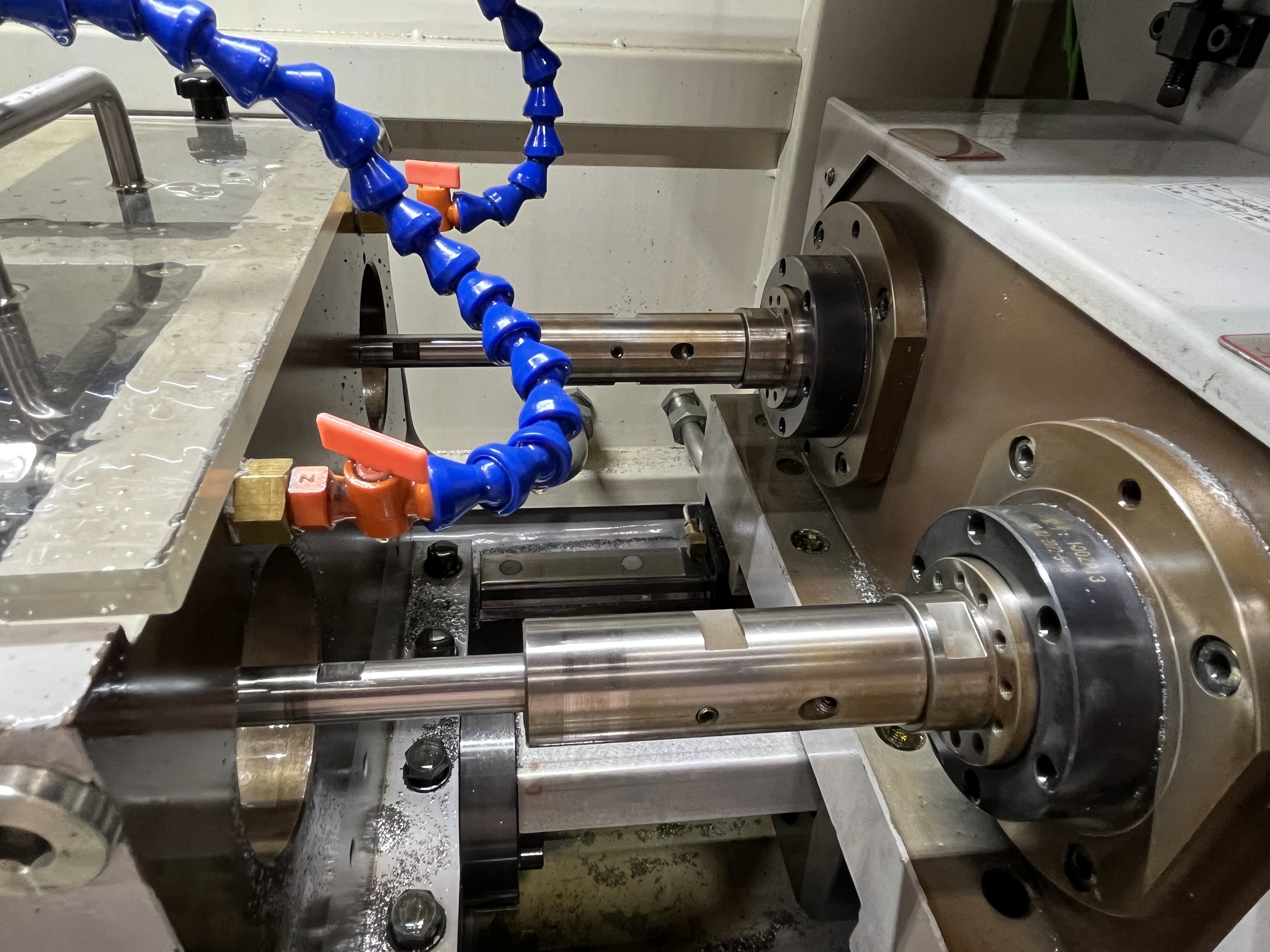
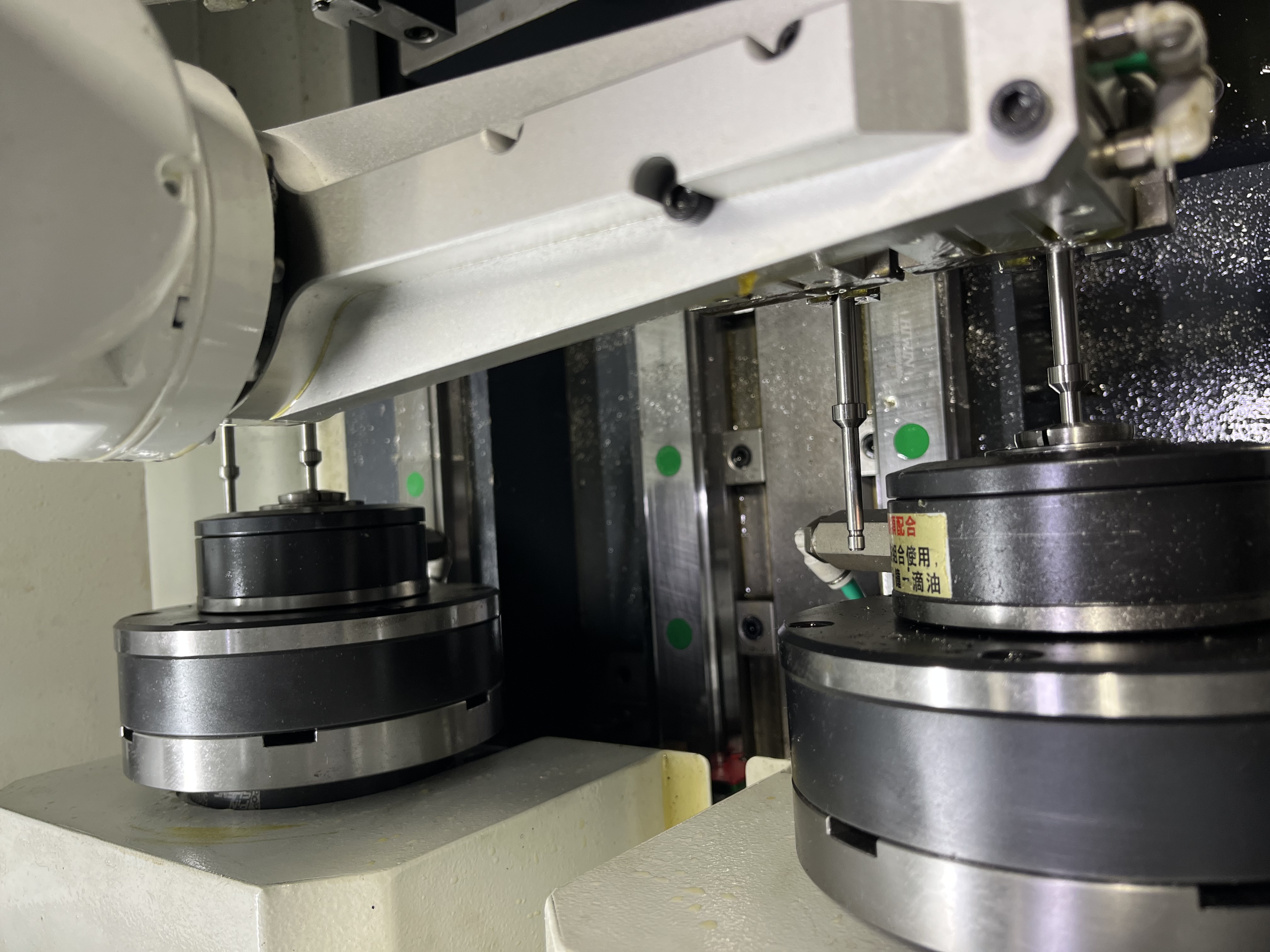
Integrating in-process gauging with the machine control allows automatic measurement of the bore diameter during the drilling cycle. The gauge measures the bore immediately after drilling and the control records the data, adjusts parameters, or alerts the operator. I have implemented these systems on several production machines and the improvement in quality consistency has been substantial. System Architecture and Components The in-process gauging system consists of a measuring probe, a data interface, and the CNC control integration. The measuring probe can be an air plug or a contact probe mounted near the spindle or on a separate slide. ...
June 16, 2026 · Engineer at the Deep Hole

Data Collection for Deep Hole Drilling Troubleshooting

Why Data Matters Troubleshooting without data is guessing. I’ve watched operators change tools, adjust feeds, and tweak coolant pressure without any record of what was happening before the problem started. They fix things by accident and never know what actually worked. Good data turns troubleshooting from a guessing game into a comparison exercise. When a problem appears, I compare the current readings to the baseline from when the job was running well. The difference between them points directly at the root cause. ...

June 12, 2026 · Engineer at the Deep Hole

In-Process Gauging for Deep Hole Drilling

How In-Process Gauging Works In-process gauging measures the bore diameter immediately after the drill retracts, while the part is still in the machine. The gauge enters the bore at the end of each drilling cycle and takes readings at programmed depths. The two main types I work with are air gauging and contact probing. Air gauging uses a small plug with orifices that measure the gap between the plug and the bore wall. Contact probing uses a mechanical finger that touches the bore surface and sends a signal through the machine’s probe receiver. ...

June 11, 2026 · Engineer at the Deep Hole

SPC for Deep Hole Drilling: Statistical Process Control Guide

Why SPC Belongs in Deep Hole Drilling Statistical process control transforms deep hole drilling from a reactive process to a predictive one. Instead of finding out a part is bad when you measure it after the cycle, SPC tells you the process is trending toward a problem before the part is made. I started using SPC on a hydraulic cylinder job that was running 500 parts per month. The rejection rate was 3% from bore diameter drift. The problem was not that the process was unstable — it was that I could not see the drift until I measured the finished part. ...

June 11, 2026 · Engineer at the Deep Hole

Process Capability for Deep Hole Drilling: Using Cp and Cpk to Measure Your Process

Process Capability for Deep Hole Drilling: Using Cp and Cpk to Measure Your Process A customer walked into my shop five years ago and asked for capability data on a hydraulic spool bore. I had been drilling deep holes for fifteen years and could hold 18 mm +/- 0.02 mm in my sleep, but I had never calculated a Cp or Cpk in my life. I fumbled through that first report with a spreadsheet and a statistics textbook open on my phone. The numbers that came back surprised me – and they changed how I set up every job from that point forward. ...

Engineer at the Deep Hole