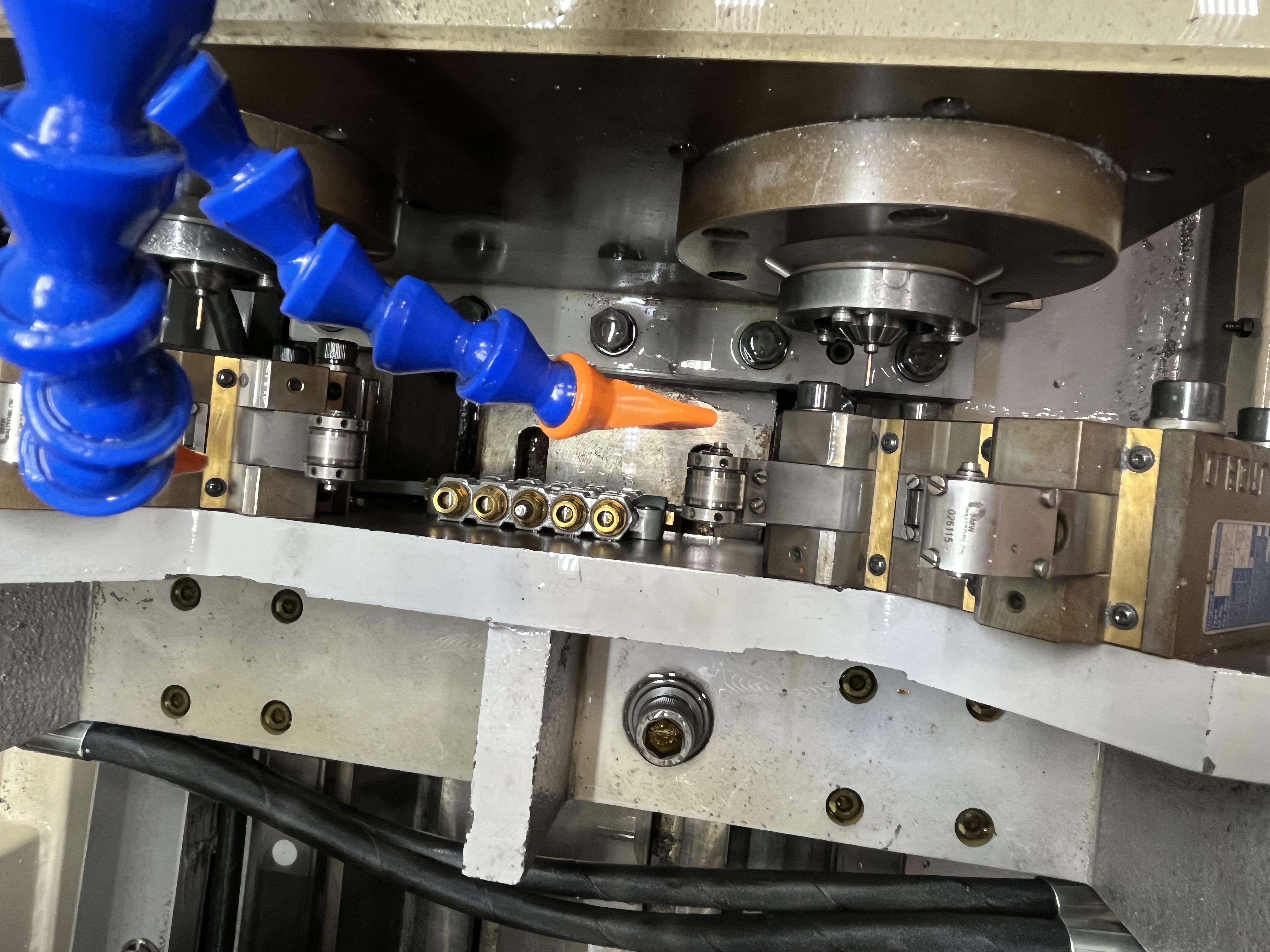
Spindle Power vs Torque: What Matters for Deep Hole Drilling

Spindle power and torque are related but different specifications. Power determines how fast material can be removed. Torque determines how much cutting force the spindle can deliver at low RPM. For deep hole drilling, misunderstanding these two specs leads to undersized spindles that stall in the cut. I have seen a 35 kW spindle stall out on a 60 mm BTA drill because the machine peaked at high RPM and delivered only 80 Nm at the feed rate needed for BTA parameters. ...
June 16, 2026 · Engineer at the Deep Hole

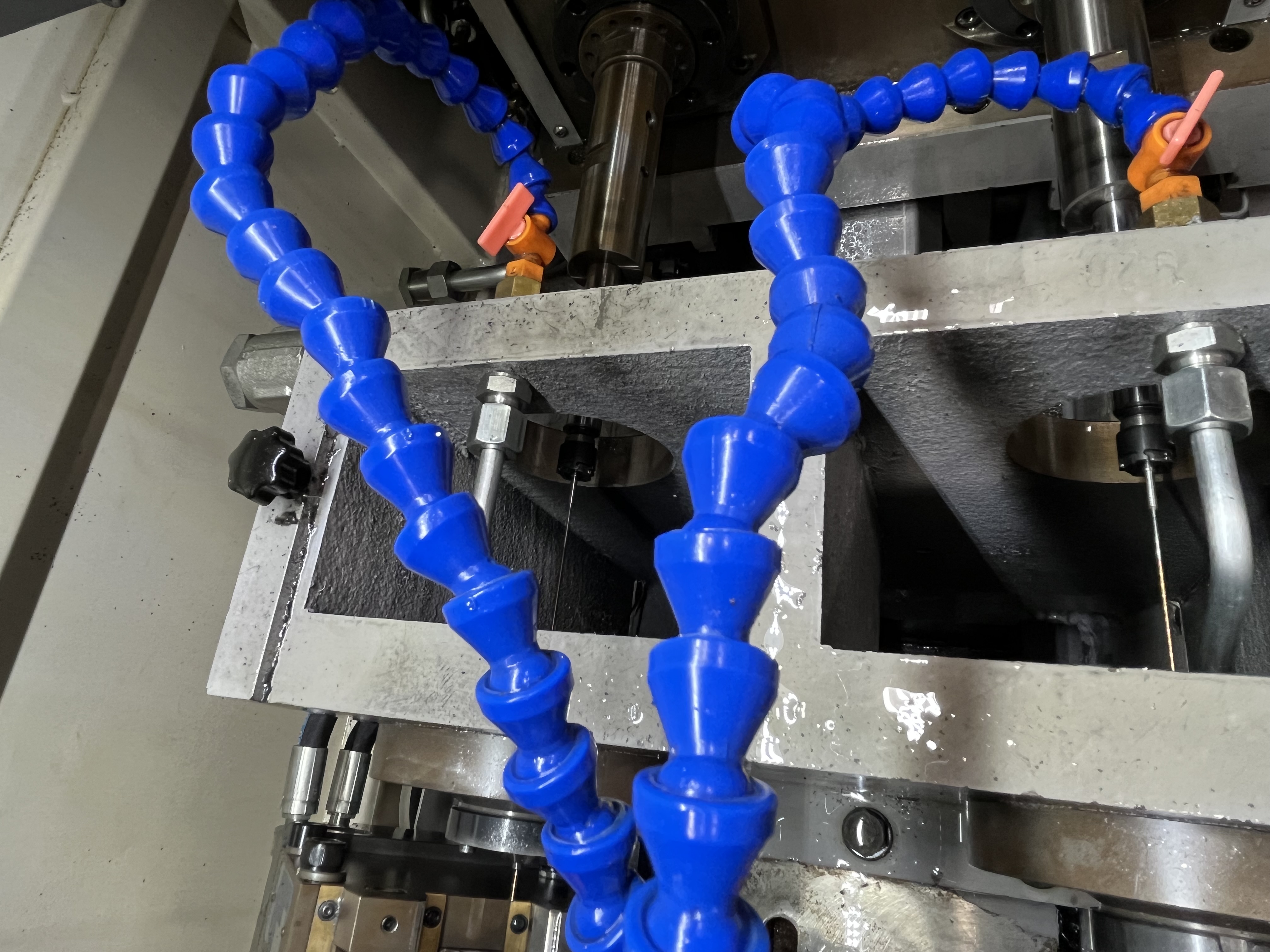
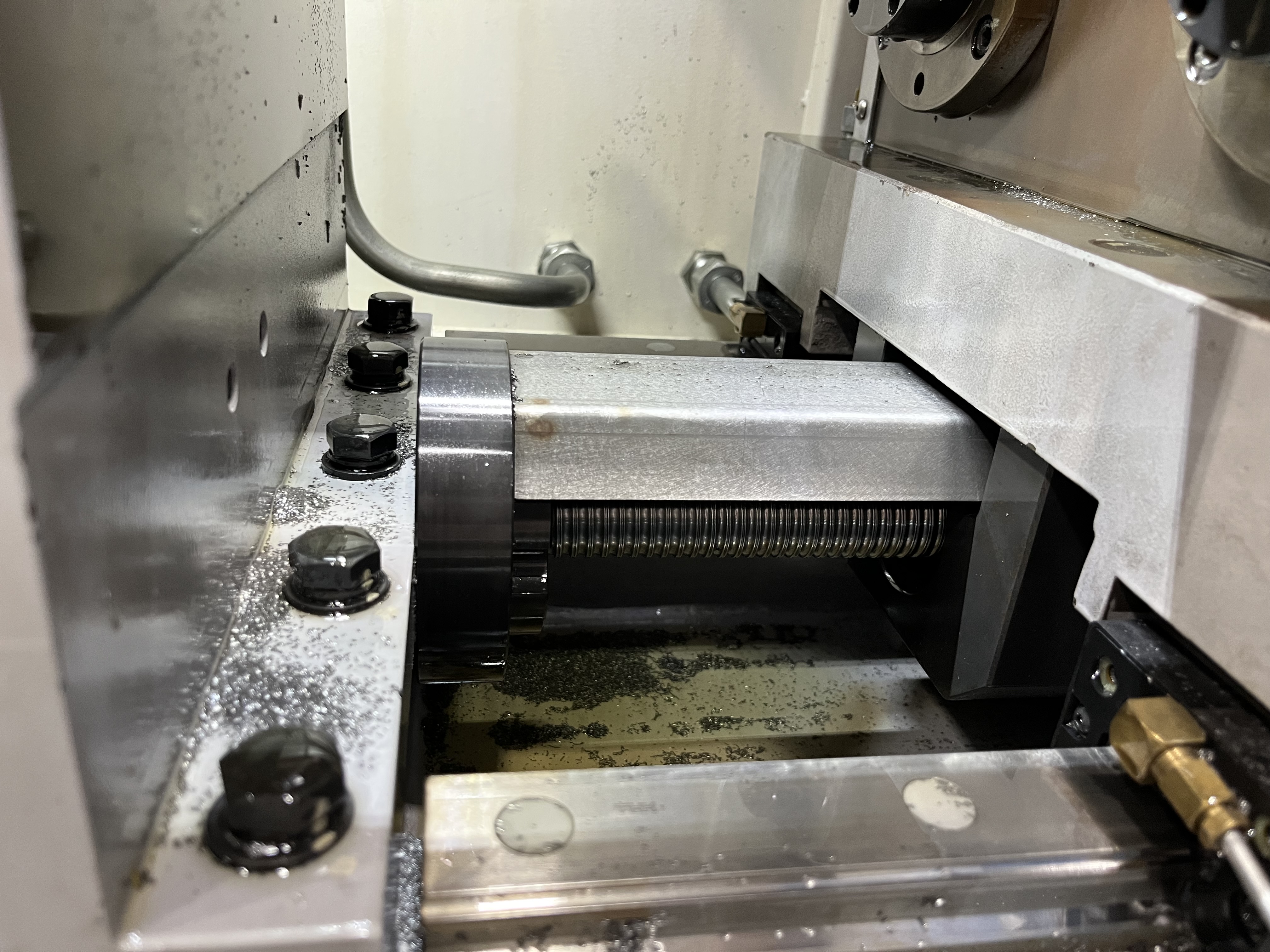
Power Consumption Monitoring for Tool Wear Detection

Why Power Consumption Tracks Wear As a gun drill wears, the cutting edge dulls. A dull edge requires more force to shear the material, and the spindle motor draws more power to maintain the programmed RPM. The power increase is proportional to the edge wear. I have verified this relationship by measuring power consumption against measured edge wear across dozens of tools. The correlation is consistent enough that I trust the power reading as a wear indicator without stopping the machine to inspect the edge. ...

June 12, 2026 · Engineer at the Deep Hole

How to Calculate Power Requirements for Deep Hole Drilling

I calculate power requirements before selecting a machine for any deep hole drilling job. The machine spindle must have enough power to drive the drill at the required speed and feed without stalling or bogging down in tough material. Underpowered machines produce inconsistent hole quality and short tool life. The Basic Power Formula The standard formula I use every time is Power (kW) = Torque (Nm) x RPM / 9550. For a 10 mm gun drill in mild steel running at 3000 RPM with 10 Nm of torque: Power = 10 x 3000 / 9550 = 3.1 kW. That gives me the power at the tool tip, not at the motor. ...

June 11, 2026 · Engineer at the Deep Hole