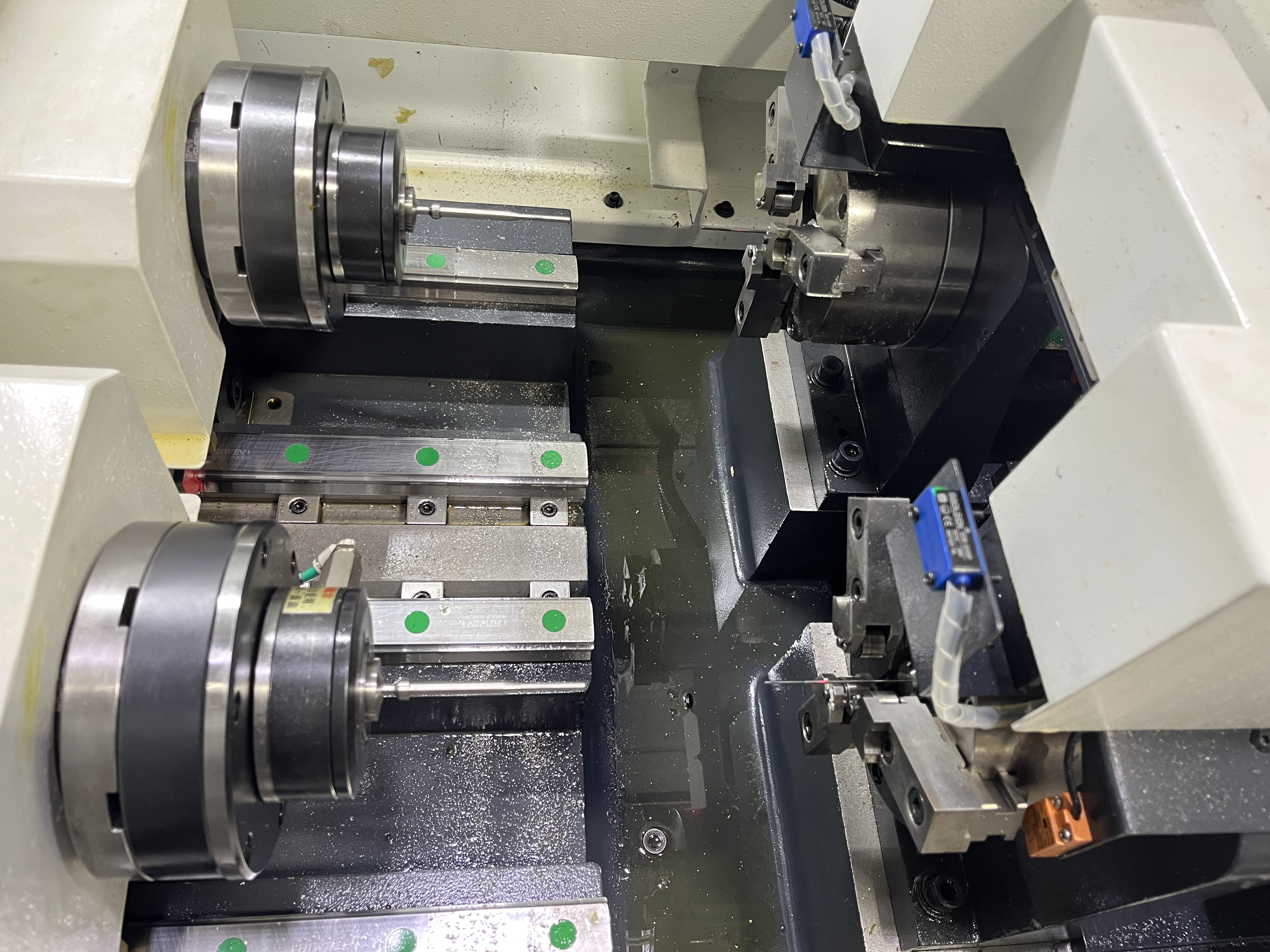
Support Methods for Thin Wall Stainless Steel Tubing

Thin wall stainless steel tubing is used in sanitary, pharmaceutical, and food processing applications. The wall thickness is often 2-5mm with a bore diameter of 20-60mm. The challenge is supporting the tube without collapsing it. I have worked with 304L, 316L, and 2205 duplex tubing across wall thicknesses from 1.5mm to 6mm, and the support method changes for each combination of diameter and wall. The cutting forces from gun drilling push the tube wall inward. If the wall is not supported, the tube collapses. Once collapsed, the tube is scrap — there is no recovering a collapsed thin wall tube. The support method must be rigid enough to resist the cutting forces but compliant enough not to mark or distort the tube surface. ...
June 16, 2026 · Engineer at the Deep Hole

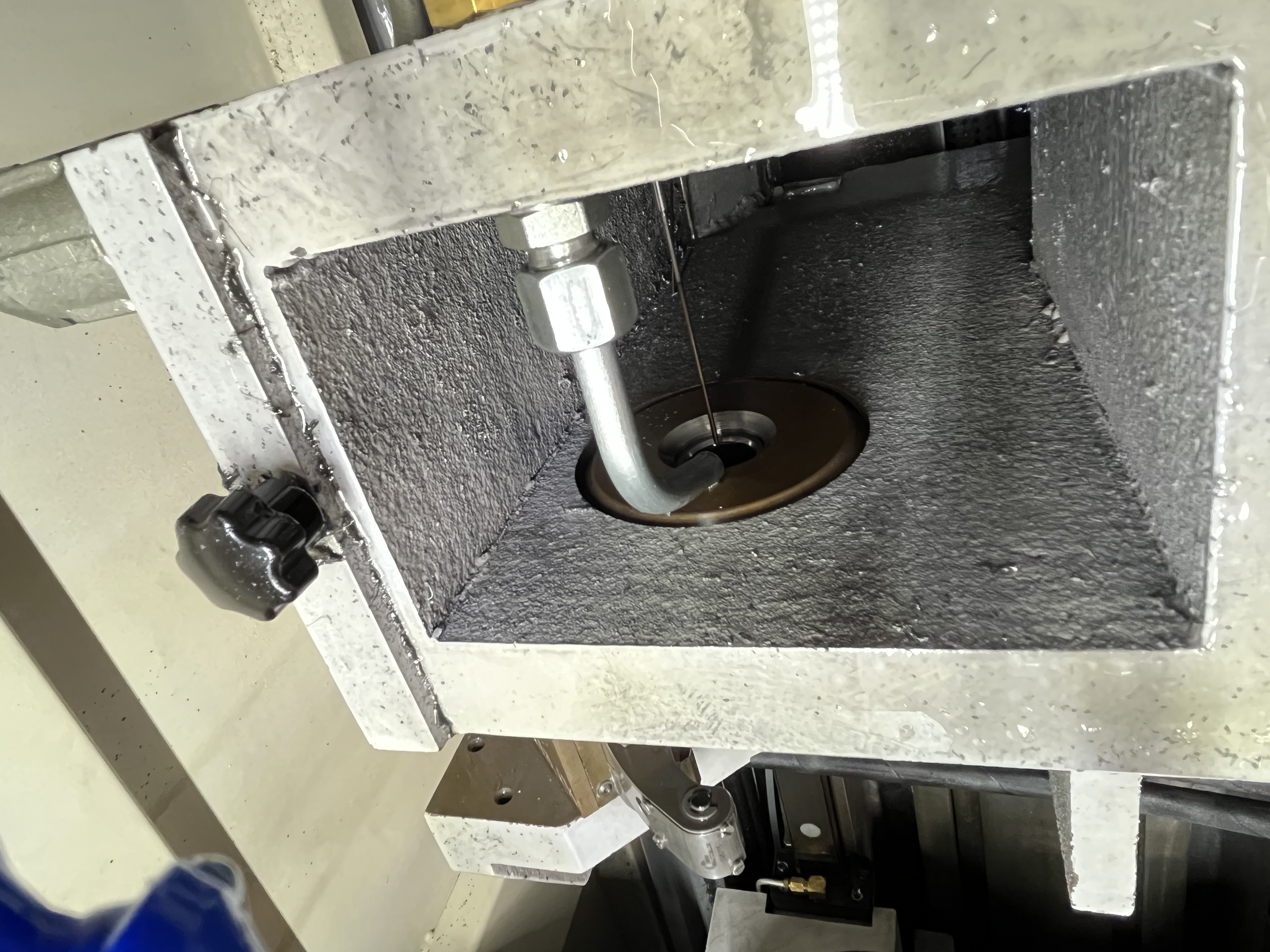
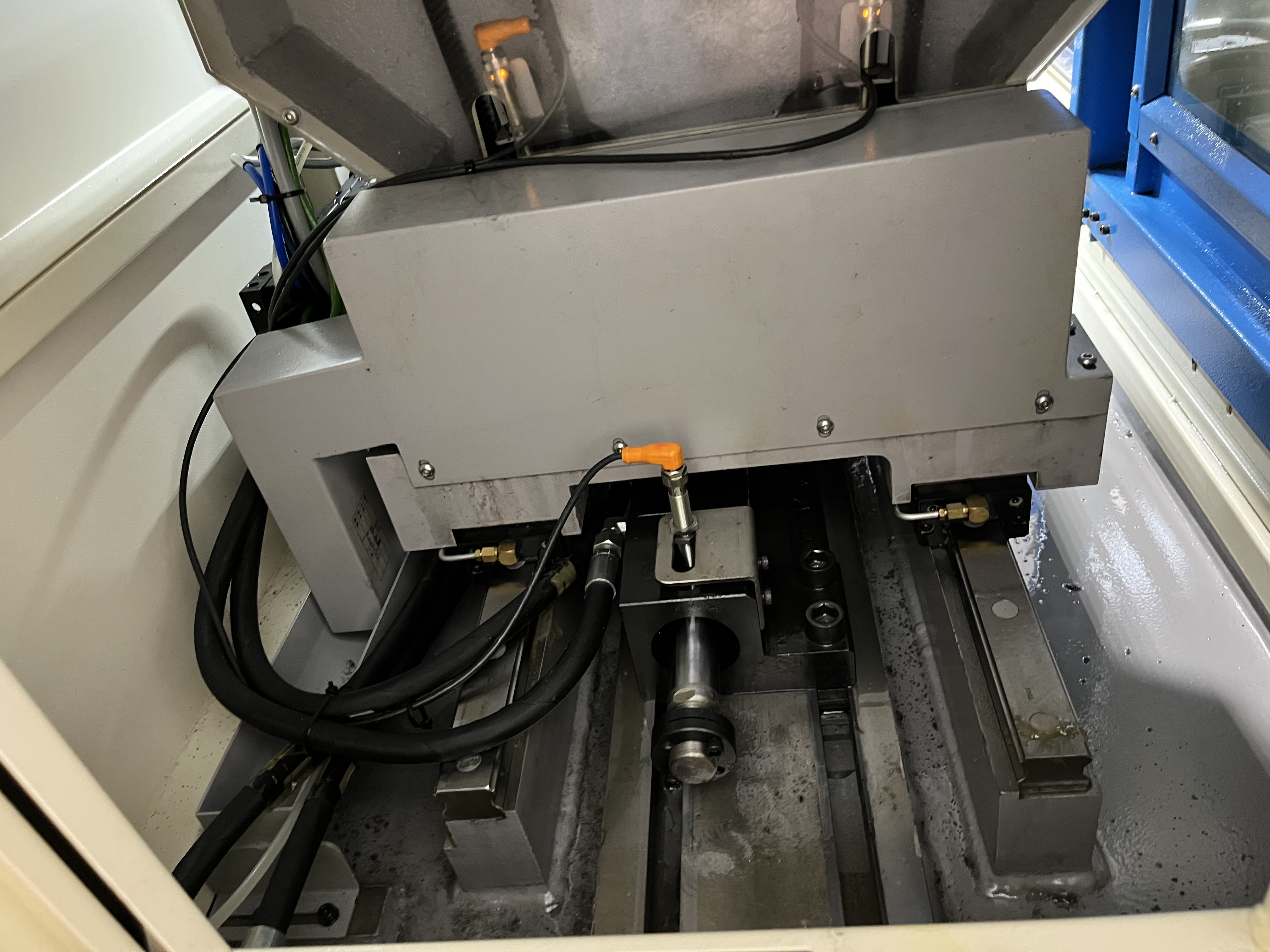
Deep Hole Drilling for Aerospace Hydraulic Systems

Aerospace hydraulic actuators are similar to industrial cylinders but with tighter tolerances and more exotic materials. I covered industrial hydraulic cylinders in an earlier post; this is about the aerospace version. The jump from industrial to aerospace is not just about hitting tighter numbers – it changes how I plan the entire drilling operation from setup to inspection. The main differences are material, tolerance, and documentation. The material is typically 15-5PH stainless steel instead of 42CrMo4. The tolerance is +0.005mm instead of +0.02mm. Every part gets tracked by serial number with full inspection records. These factors multiply the setup time and require a more disciplined approach to the drilling process. ...

June 12, 2026 · Engineer at the Deep Hole

Stainless Steel Thin Wall Tube Drilling Techniques

Thin wall stainless tubes are used in sanitary, pharmaceutical, and food processing applications. The wall thickness is often 3-6mm with a bore diameter of 25-60mm. The challenge is that the tube wall cannot support much cutting force without collapsing. I have drilled thousands of these tubes over the years and developed a specific approach that avoids the common failure modes. The applications I have worked on include dairy processing lines, pharmaceutical transfer tubes, brewery heat exchanger tubes, and clean-in-place manifolds. Each of these applications requires a smooth, crevice-free bore surface. Any surface defect in a sanitary tube becomes a bacteria harborage point. The drilling process has to produce a clean bore without marking the tube OD. ...

June 12, 2026 · Engineer at the Deep Hole