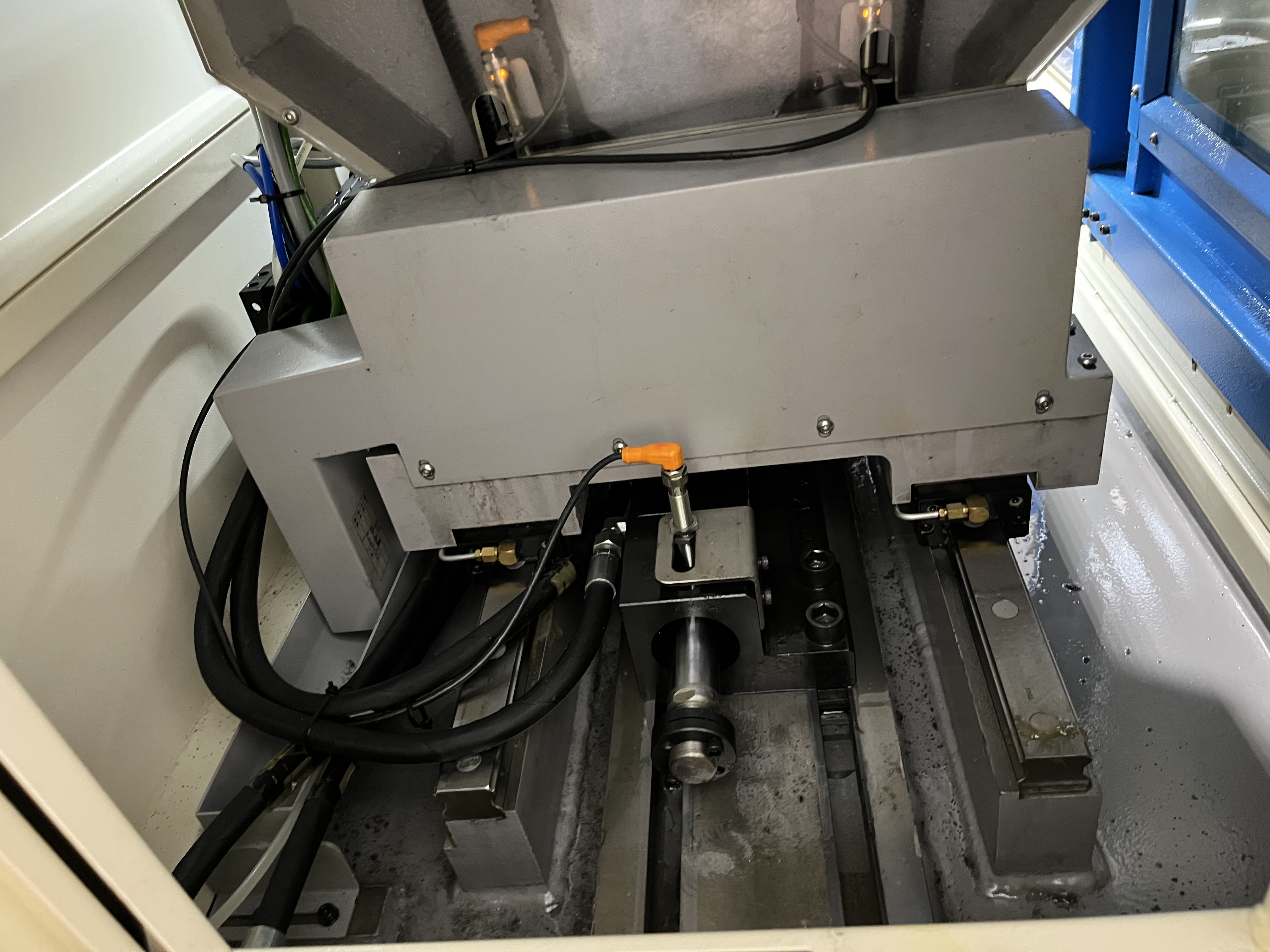
Coolant Temperature Control Systems for Deep Hole Drilling

Coolant temperature is the variable that quietly destroys bore accuracy. I have seen a shop chase 0.02 mm diameter variation for three months before someone checked the coolant temperature swing over a shift. It turned out the coolant temperature rose from 72°F at startup to 118°F after four hours of continuous drilling. The thermal expansion of the machine structure alone explained 80% of the variation. Why Temperature Control Matters The thermal expansion coefficient of cast iron is approximately 0.000011 mm/mm per degree Celsius. A 1-meter machine column that heats up by 10°C grows 0.11 mm. When you are trying to hold a 0.025 mm tolerance on bore location, a 0.11 mm dimensional change destroys the part. ...
June 16, 2026 · Engineer at the Deep Hole

Thermal Compensation Strategies for Deep Hole Drilling

The Thermal Drift Problem Every machine tool changes dimension as it heats up. The spindle grows, the bed expands, the leadscrews lengthen. In deep hole drilling, this thermal drift causes the hole position to shift relative to the part datum. A machine that is perfectly aligned when cold at 7:00 AM can be out of position by 0.10 mm or more by 10:00 AM. The effect is most noticeable on long holes where the spindle position relative to the workpiece changes during the cut. I have measured thermal drift of 0.05-0.15 mm on a 1-meter bed length over a 4-hour production run. On parts with hole position tolerance of 0.10 mm, this drift can push parts out of spec. ...

June 16, 2026 · Engineer at the Deep Hole