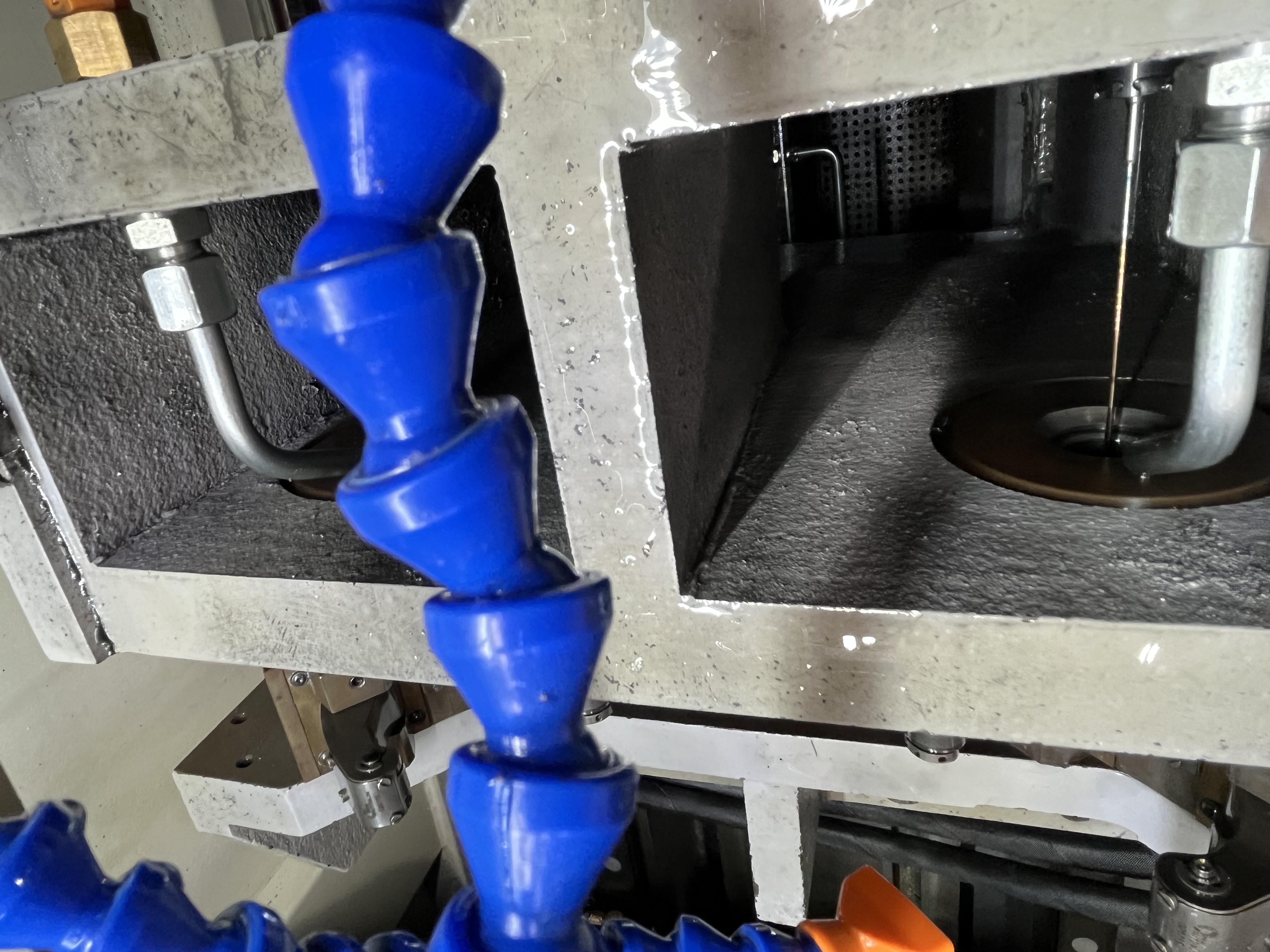
Heat Buildup in Thin Wall Drilling and How to Reduce It

Heat buildup in thin wall drilling is a problem that affects both the process and the part quality. The thin wall cannot conduct heat away from the cutting zone as fast as a solid section can. The heat accumulates locally, causing thermal expansion that changes the bore diameter during the cut and leaves residual stress in the part afterward. Problem Description When heat accumulates in a thin wall section, the material expands at the cutting zone. The bore diameter temporarily shrinks as the expanded material pushes inward. The drill then cuts a larger diameter than intended because it is cutting into the expanded material. When the part cools, the bore spring back undersize or out of round. ...
June 16, 2026 · Engineer at the Deep Hole

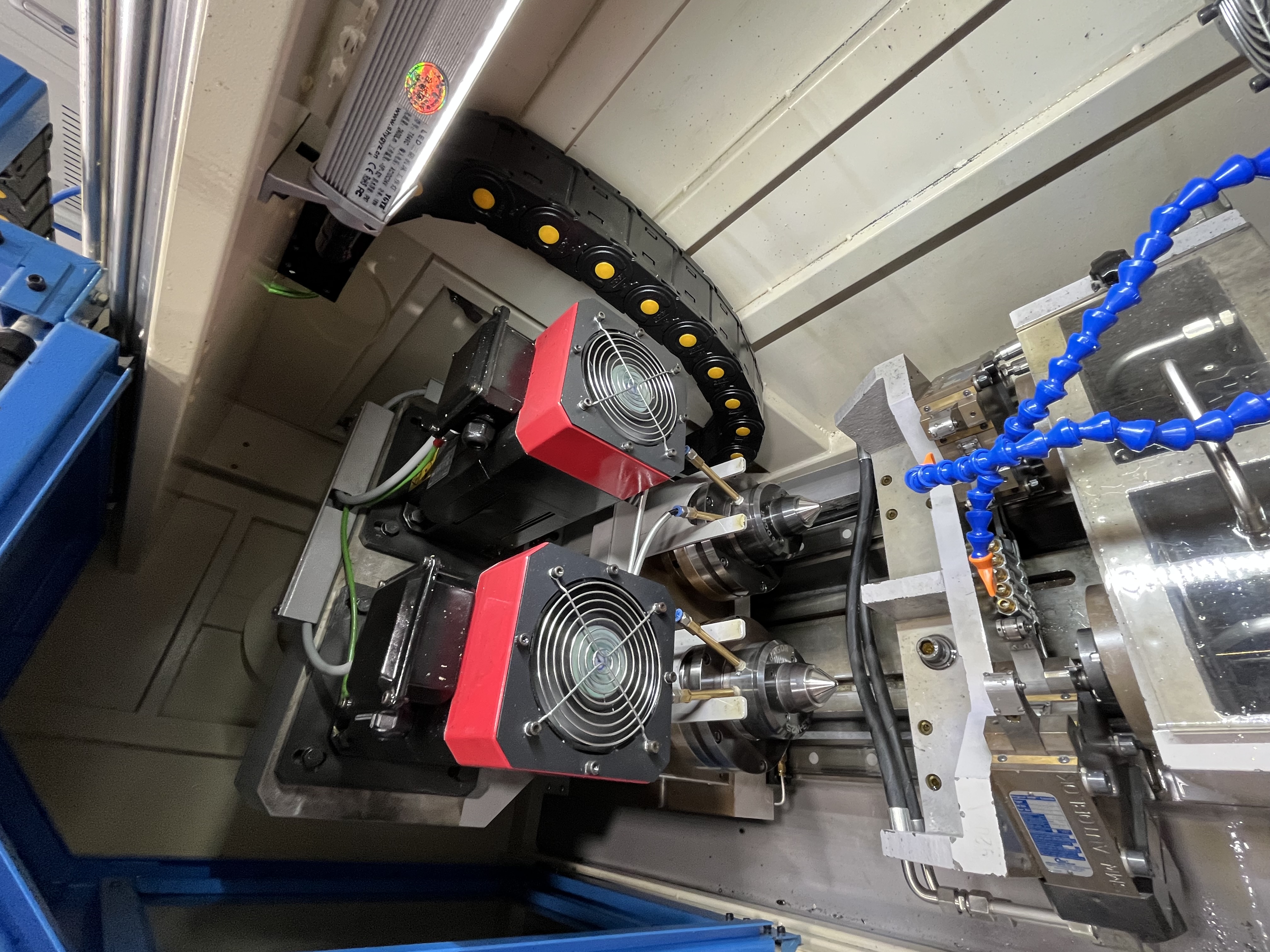
Coolant Temperature Control: Why Overheating Causes Problems

Coolant temperature affects drilling performance more than most operators realize. I have seen shops chase tool life problems and hole position issues for months before discovering the root cause was nothing more than coolant running 10 degrees hotter at the end of the shift than at the start. Temperature control is not optional for consistent deep hole drilling. Problem Description Coolant temperature changes throughout the day as the machine runs. A machine that starts at 22 degrees in the morning can be circulating coolant at 38 degrees by the afternoon if the system has no chiller. The temperature rise affects three things directly: coolant viscosity, machine structure alignment, and tool life. ...

June 11, 2026 · Engineer at the Deep Hole