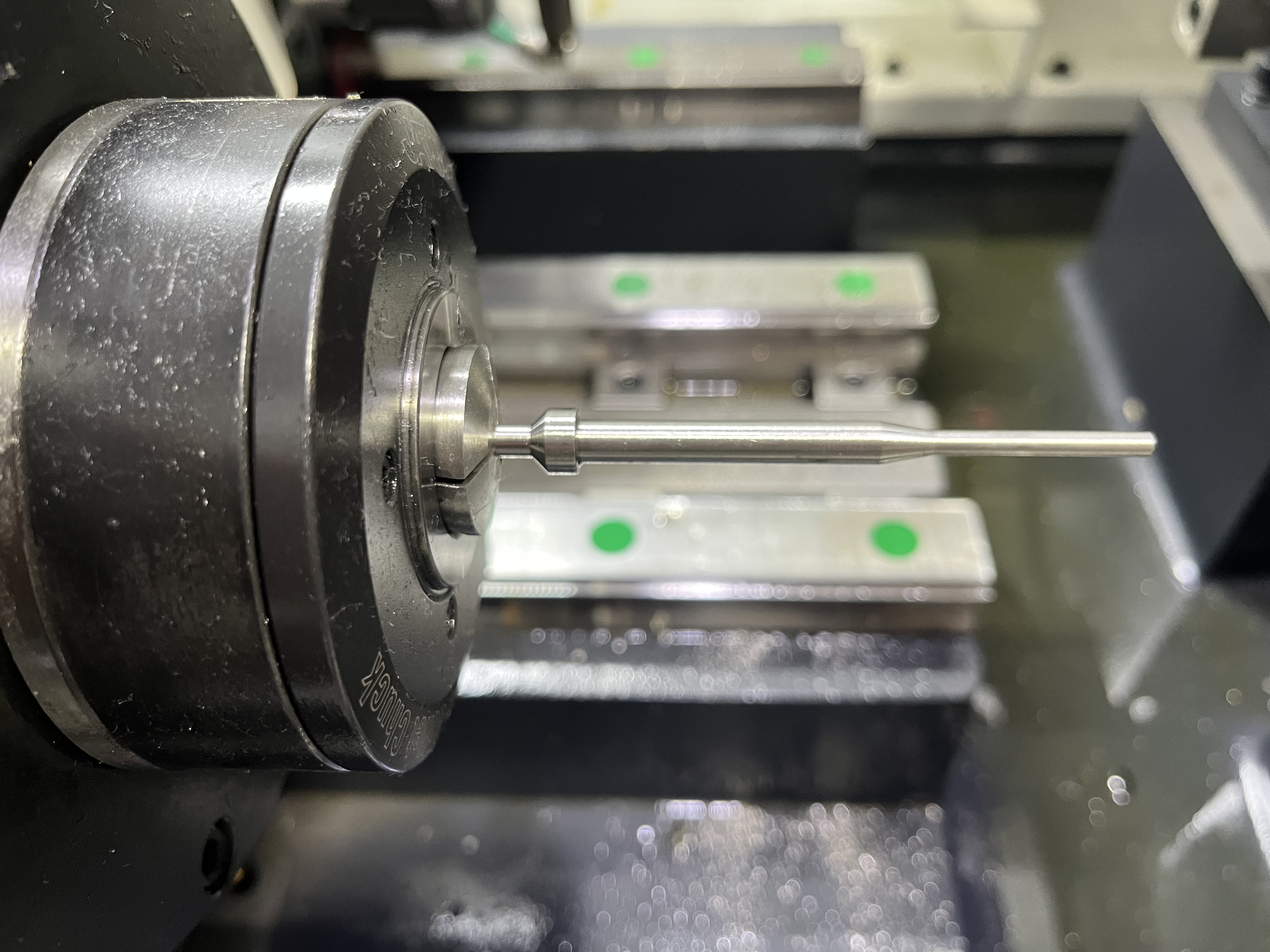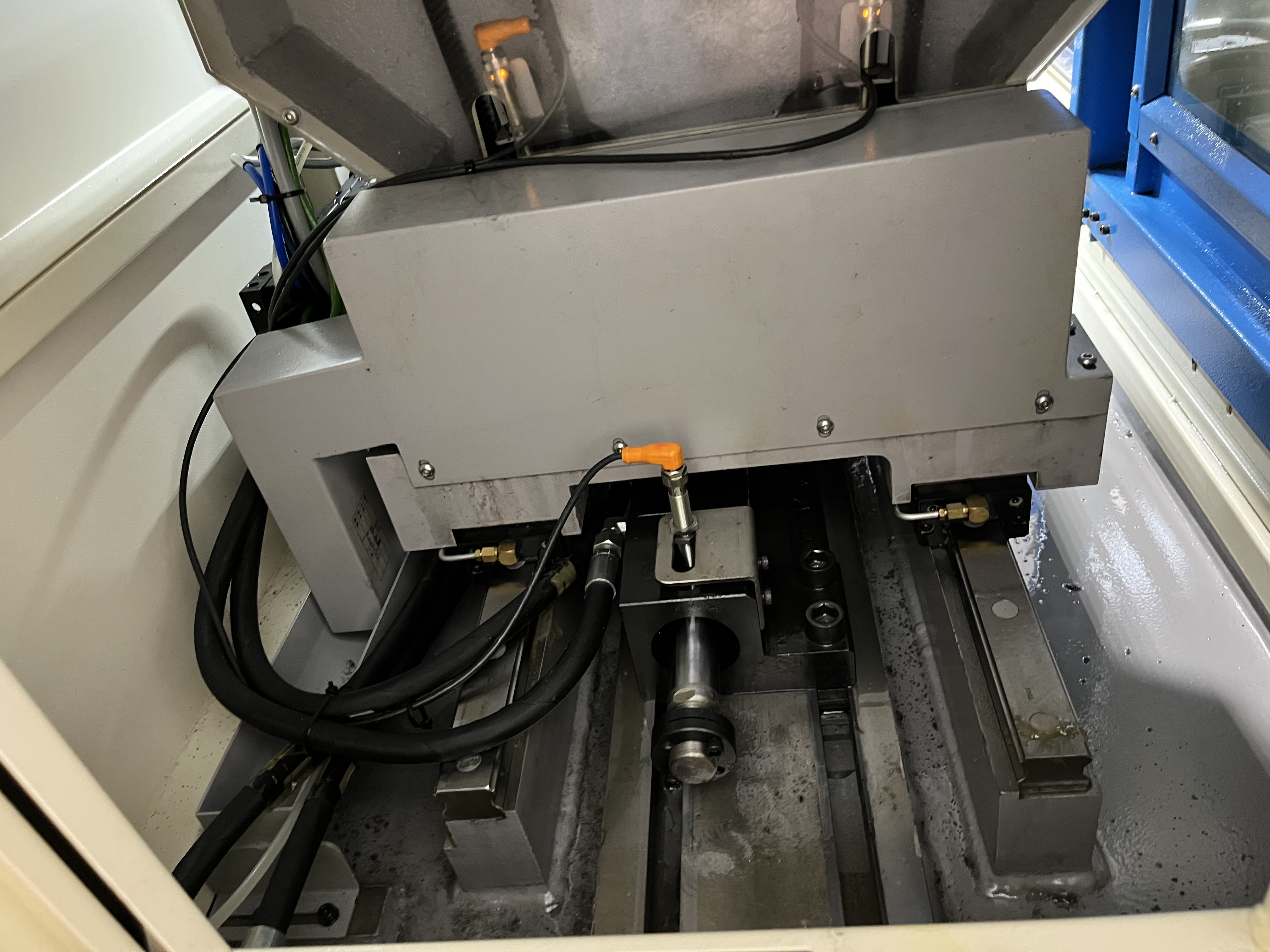
Coolant Temperature Control Systems for Deep Hole Drilling

Coolant temperature is the variable that quietly destroys bore accuracy. I have seen a shop chase 0.02 mm diameter variation for three months before someone checked the coolant temperature swing over a shift. It turned out the coolant temperature rose from 72°F at startup to 118°F after four hours of continuous drilling. The thermal expansion of the machine structure alone explained 80% of the variation. Why Temperature Control Matters The thermal expansion coefficient of cast iron is approximately 0.000011 mm/mm per degree Celsius. A 1-meter machine column that heats up by 10°C grows 0.11 mm. When you are trying to hold a 0.025 mm tolerance on bore location, a 0.11 mm dimensional change destroys the part. ...
June 16, 2026 · Engineer at the Deep Hole

I Skipped the Warm-Up and Scrapped a $2,000 Part

It was a Monday morning in January, the shop was freezing, and I was behind schedule. The weekend crew had left a machine set up and ready to run, and the part on the table was a large hydraulic cylinder block that had already gone through several operations. All it needed was a 25mm hole drilled 800mm deep. About an hour of cycle time, then on to the next operation. ...

June 16, 2026 · Engineer at the Deep Hole

Coolant Temperature and Machine Thermal Stability

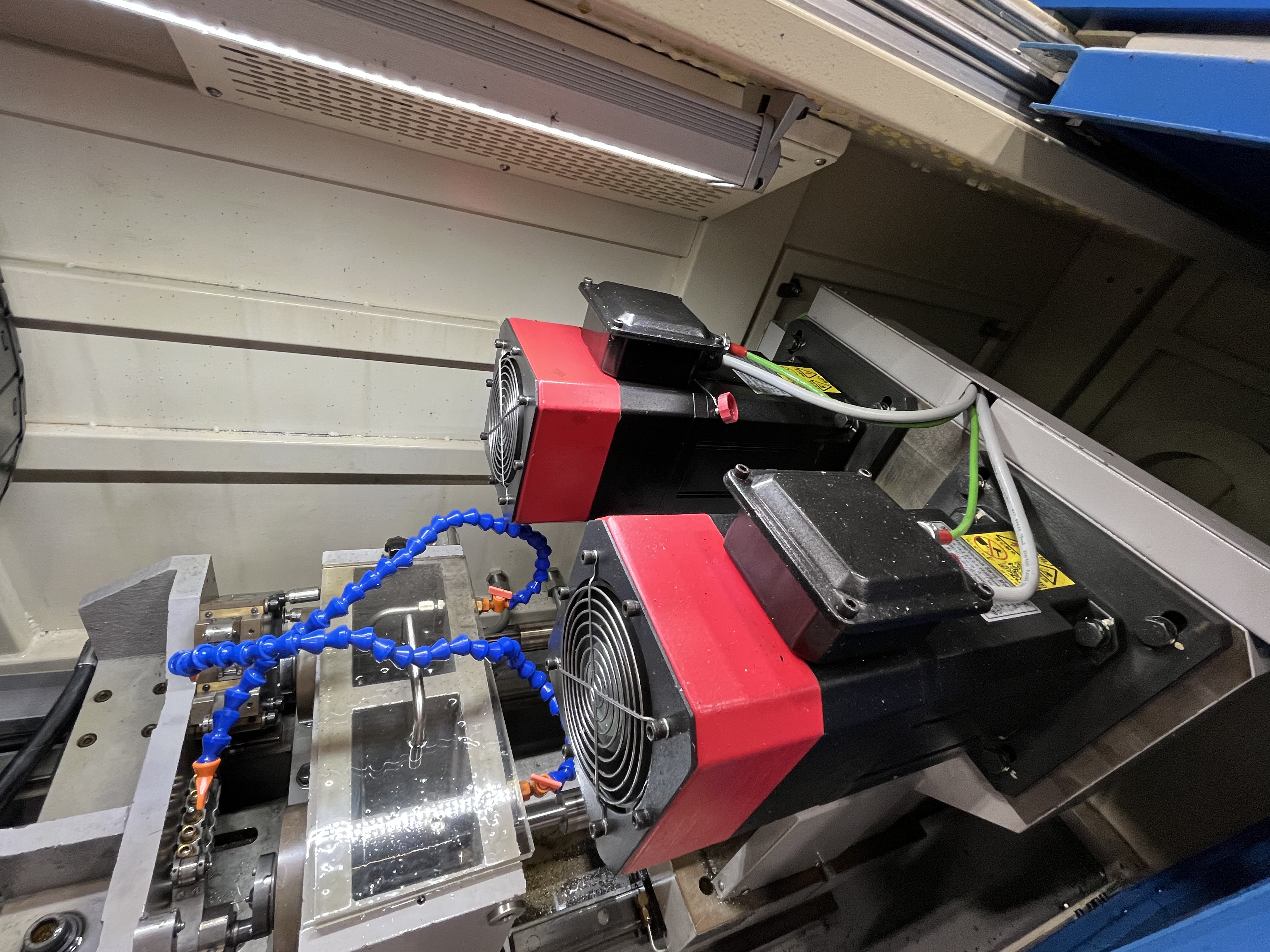
Coolant temperature is one of the most overlooked factors in deep hole drilling accuracy. The coolant flows through the machine and the workpiece, carrying heat away from the cutting zone. But it also carries heat into the machine structure — and that thermal input changes the machine geometry. A machine that started the morning drilling holes on size can drift by 0.03 mm by lunch because the coolant warmed up by five degrees. ...

June 11, 2026 · Engineer at the Deep Hole

How Long Should You Warm Up a Deep Hole Drilling Machine?

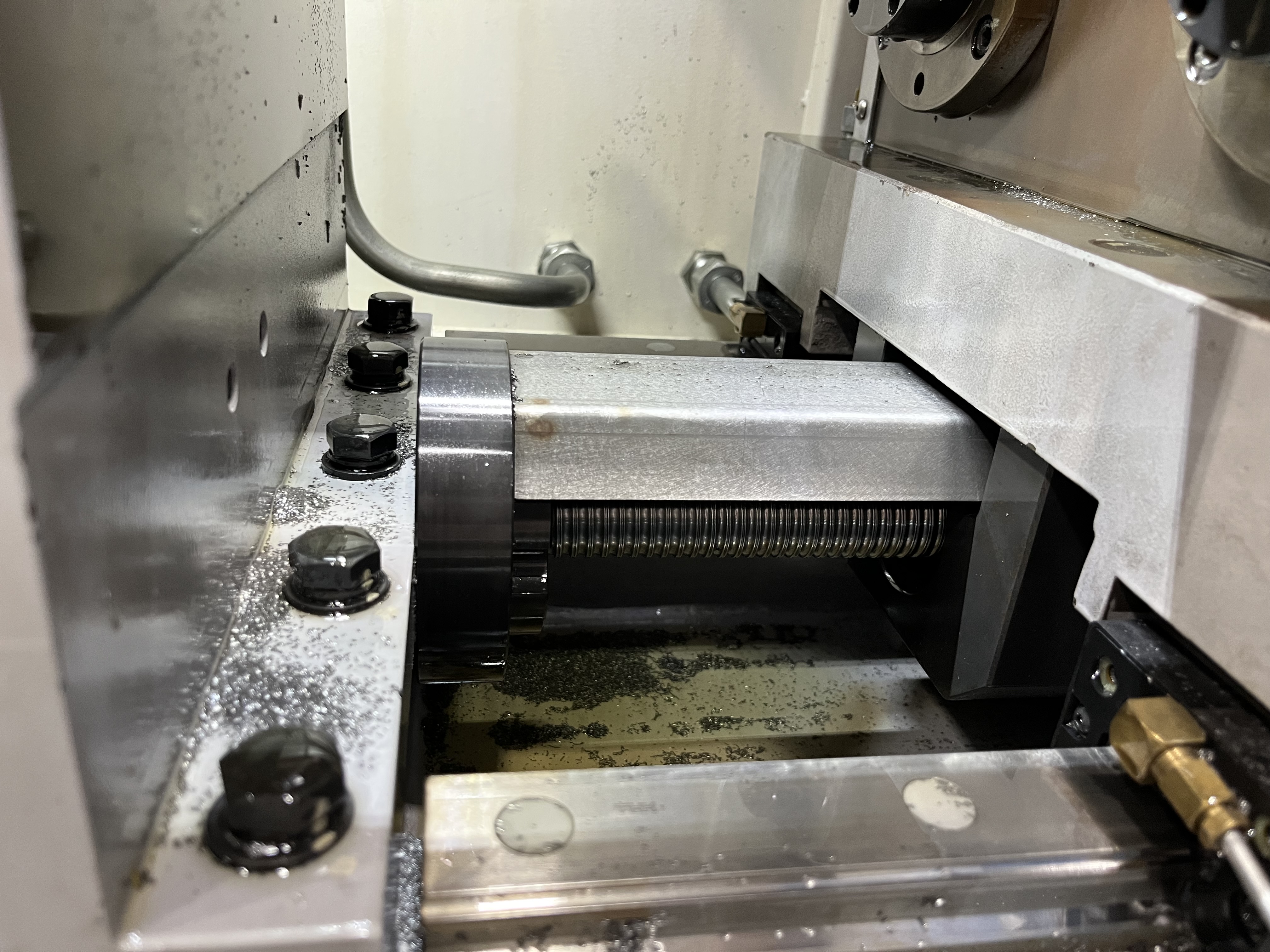
A cold machine does not drill straight holes. The thermal expansion of the spindle, bed, and coolant changes the machine geometry during the first few hours of operation. I’ve learned to account for thermal effects in every job, and I’ve developed a warm-up procedure that eliminates the guesswork. Why Warm-Up Matters As a machine warms up, several changes happen simultaneously: The spindle bearings expand, changing the spindle position by 0.01-0.03mm The bed expands, changing the alignment between headstock and tailstock The coolant warms up, changing its viscosity and flow characteristics The ball screws expand, changing the positioning accuracy These changes are not small. I measured a 0.15mm drift in hole position on a large BTA machine over the first 90 minutes of operation. The first hole of the day was in a different location than the holes drilled two hours later. The operator had been chasing this by adjusting offsets — compensating for a problem that thermal stability would have solved. ...

June 11, 2026 · Engineer at the Deep Hole