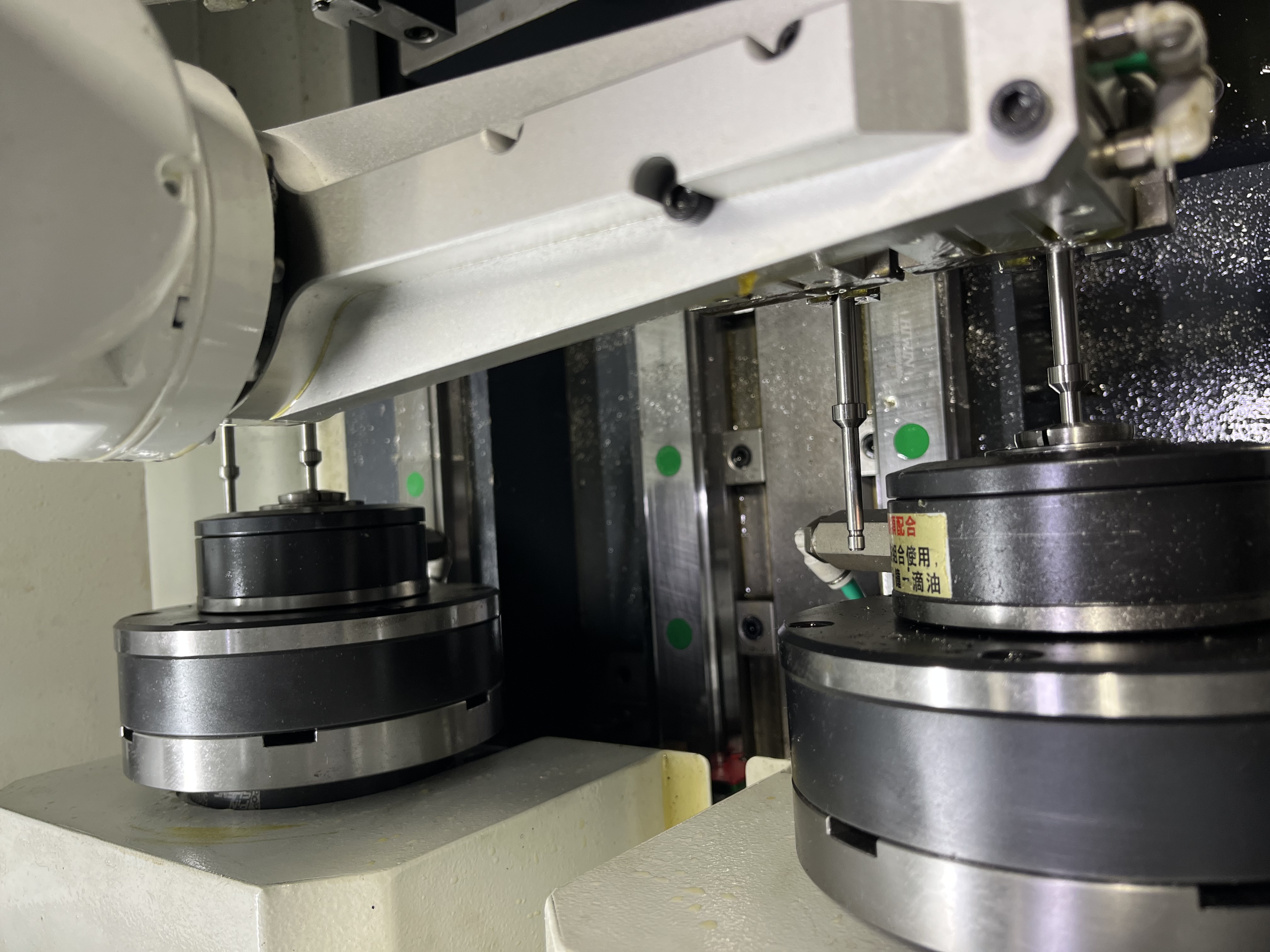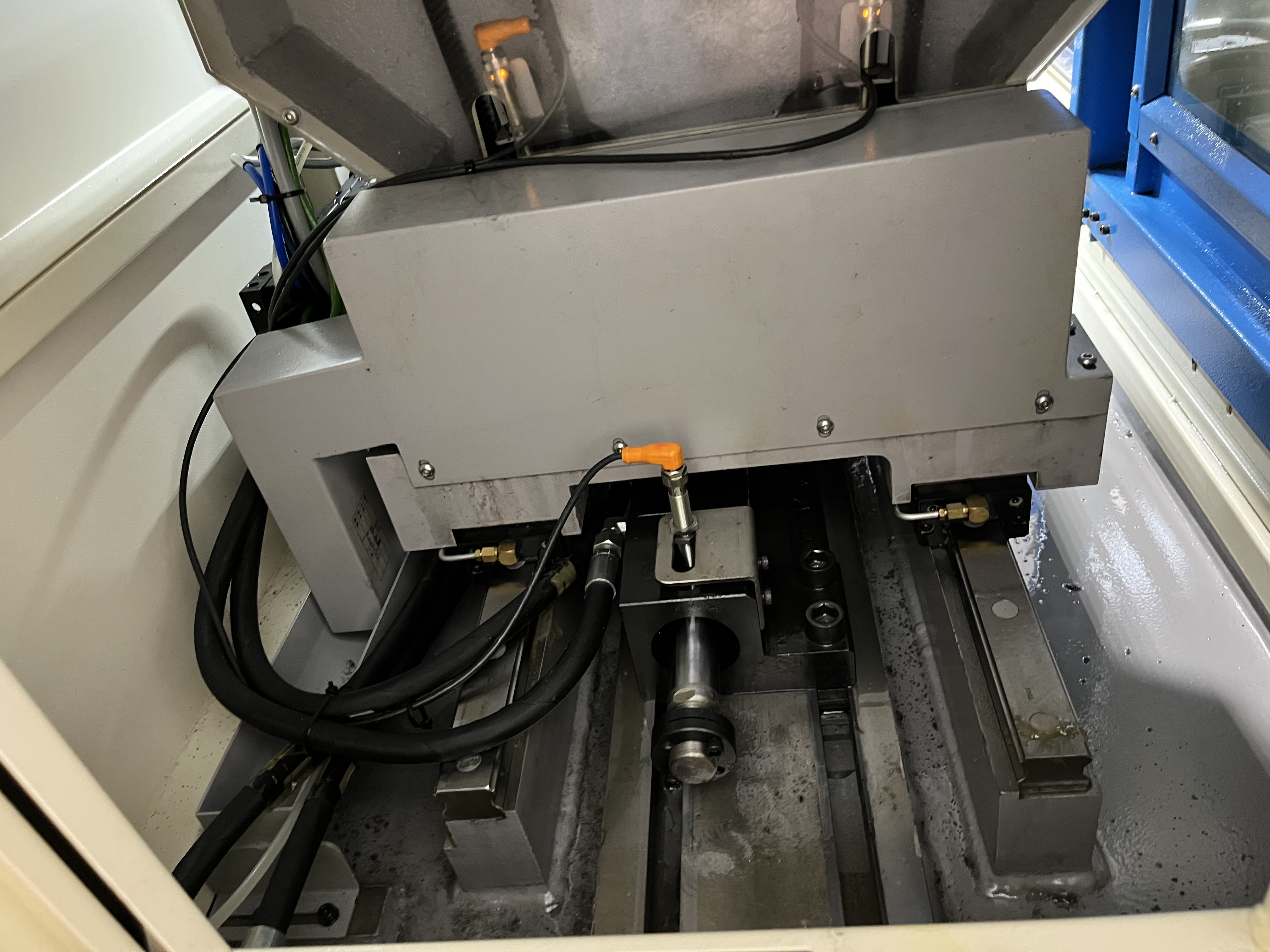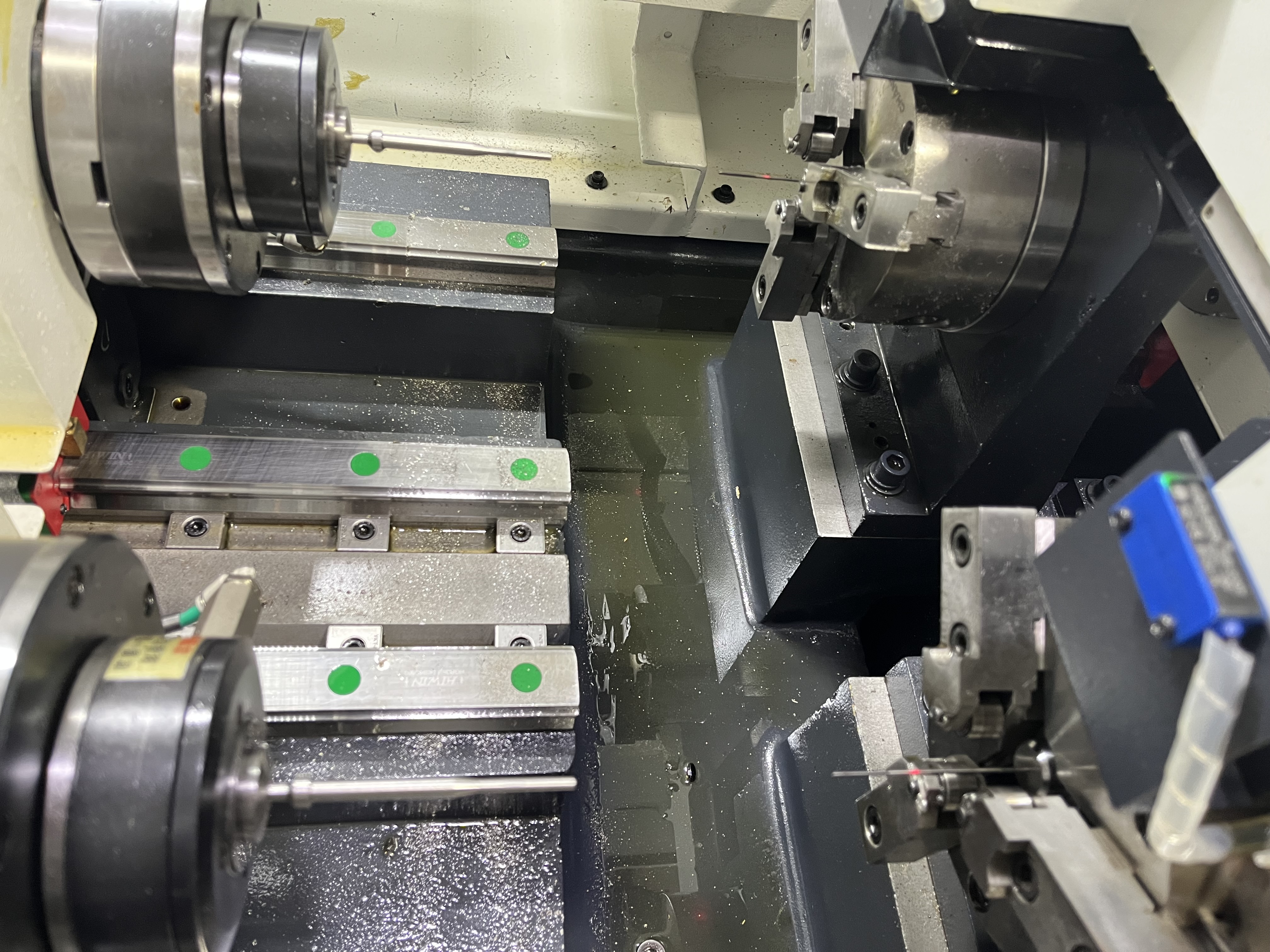
Deep Hole Drilling Thin Wall Tubing: Support Methods and Parameters

Thin wall tubing is some of the most frustrating material to deep hole drill. The wall has almost no rigidity, so the cutting forces that would be negligible on a solid bar become critical. I have seen tubes collapse, chatter, ovalize, and ring like a bell when the drill contacts them. The key is understanding that you are not drilling a hole in a tube – you are drilling a hole through a structure that happens to be shaped like a tube. The structural integrity of the tube has to be maintained during the drilling process. ...
June 16, 2026 · Engineer at the Deep Hole

Heat Buildup in Thin Wall Drilling and How to Reduce It

Heat buildup in thin wall drilling is a problem that affects both the process and the part quality. The thin wall cannot conduct heat away from the cutting zone as fast as a solid section can. The heat accumulates locally, causing thermal expansion that changes the bore diameter during the cut and leaves residual stress in the part afterward. Problem Description When heat accumulates in a thin wall section, the material expands at the cutting zone. The bore diameter temporarily shrinks as the expanded material pushes inward. The drill then cuts a larger diameter than intended because it is cutting into the expanded material. When the part cools, the bore spring back undersize or out of round. ...

June 16, 2026 · Engineer at the Deep Hole

Preventing Collapse in Thin Wall Tube Drilling

Thin wall tube collapse during deep hole drilling is a problem I have encountered on hydraulic cylinders, gun barrels, and structural tubing. The cutting force pushes the tube wall inward, the drill binds in the reduced diameter, and both the tube and the tool are damaged. Prevention requires managing the forces on the wall and providing adequate support. Problem Description A thin wall tube collapses when the radial component of the cutting force exceeds the buckling strength of the wall section. The tube wall deflects inward under the drill tip, and the bore diameter effectively shrinks. The drill then jams because the bore is smaller than the drill head. ...

June 16, 2026 · Engineer at the Deep Hole

Support Methods for Thin Wall Stainless Steel Tubing

Thin wall stainless steel tubing is used in sanitary, pharmaceutical, and food processing applications. The wall thickness is often 2-5mm with a bore diameter of 20-60mm. The challenge is supporting the tube without collapsing it. I have worked with 304L, 316L, and 2205 duplex tubing across wall thicknesses from 1.5mm to 6mm, and the support method changes for each combination of diameter and wall. The cutting forces from gun drilling push the tube wall inward. If the wall is not supported, the tube collapses. Once collapsed, the tube is scrap — there is no recovering a collapsed thin wall tube. The support method must be rigid enough to resist the cutting forces but compliant enough not to mark or distort the tube surface. ...

June 16, 2026 · Engineer at the Deep Hole

Vibration Control in Thin Wall Cylinder Drilling

Why Thin Wall Cylinders Vibrate Thin wall cylinders vibrate during deep hole drilling because the wall flexes under cutting forces. The ratio of bore diameter to wall thickness determines how susceptible a cylinder is to vibration. In my experience, cylinders with a diameter-to-wall-thickness ratio above 10:1 will vibrate under normal cutting conditions. When the cylinder wall flexes, the cutting tool encounters an inconsistent depth of cut. The drill digs in deeper when the wall deflects away, then cuts less when the wall springs back. This alternating force creates chatter marks on the bore surface and can chip the cutting edges of the drill in extreme cases. ...

June 16, 2026 · Engineer at the Deep Hole

Drilling Thin Wall Tubes: Support and Parameters

Internal Support Methods for Thin Wall Tubes Thin wall tubes are challenging for deep hole drilling because the wall can collapse under cutting forces and the tube vibrates easily. I use internal support and reduced parameters to manage these issues. Over the years, I have developed several support strategies that work reliably across different tube sizes and materials. I use a mandrel inside the tube for internal support. The mandrel fits the tube ID closely and prevents the wall from deflecting. The mandrel has a center hole that allows the drill to pass through while supporting the tube wall immediately around the cutting zone. I make my mandrels from hardened tool steel with a polished OD to reduce friction. A well-fitted mandrel reduces bore runout by 50% compared to unsupported drilling. ...

June 12, 2026 · Engineer at the Deep Hole

Stainless Steel Thin Wall Tube Drilling Techniques

Thin wall stainless tubes are used in sanitary, pharmaceutical, and food processing applications. The wall thickness is often 3-6mm with a bore diameter of 25-60mm. The challenge is that the tube wall cannot support much cutting force without collapsing. I have drilled thousands of these tubes over the years and developed a specific approach that avoids the common failure modes. The applications I have worked on include dairy processing lines, pharmaceutical transfer tubes, brewery heat exchanger tubes, and clean-in-place manifolds. Each of these applications requires a smooth, crevice-free bore surface. Any surface defect in a sanitary tube becomes a bacteria harborage point. The drilling process has to produce a clean bore without marking the tube OD. ...

June 12, 2026 · Engineer at the Deep Hole