I Tried Gun Drilling and It Broke: A Post-Mortem of First-Time Failures

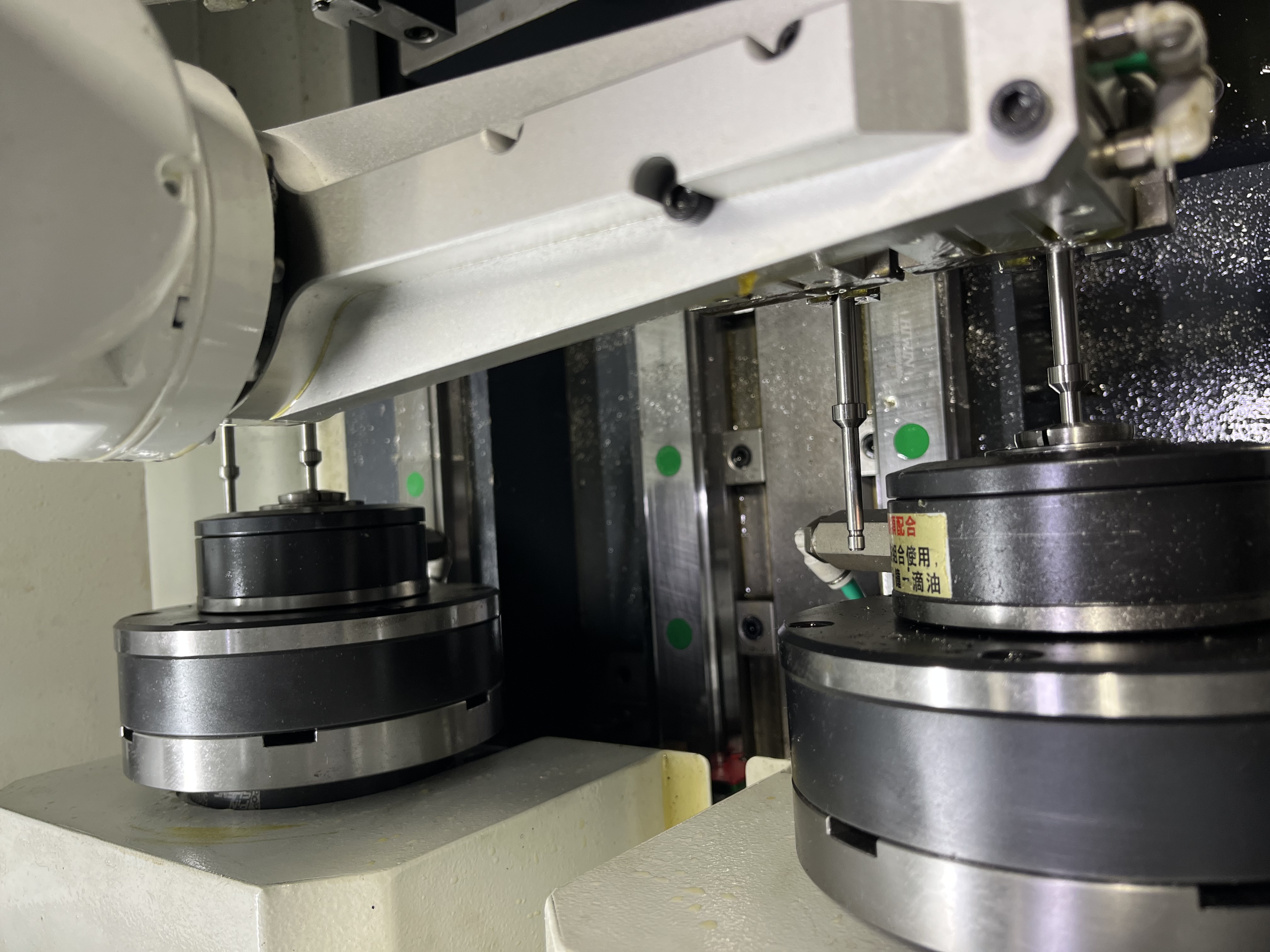
I have had this conversation a dozen times. A shop calls and says they tried gun drilling on a manual lathe, snapped the drill in the first hole, and want to know what went wrong. The answer is almost always the same: coolant pressure, pilot hole, or feed rate. Sometimes all three. Here is what I see most often. Failure 1: Not Enough Coolant Pressure This is the #1 first-time killer. A standard lathe coolant pump puts out 20-50 psi. Gun drilling needs 500-3000 psi depending on diameter. The difference is not subtle — at 50 psi, chips do not move. They pack behind the drill and the torque spikes until something breaks. ...
June 16, 2026 · Engineer at the Deep Hole

The Night Shift Tool Breakage That Changed My Pre-Shift Checklist

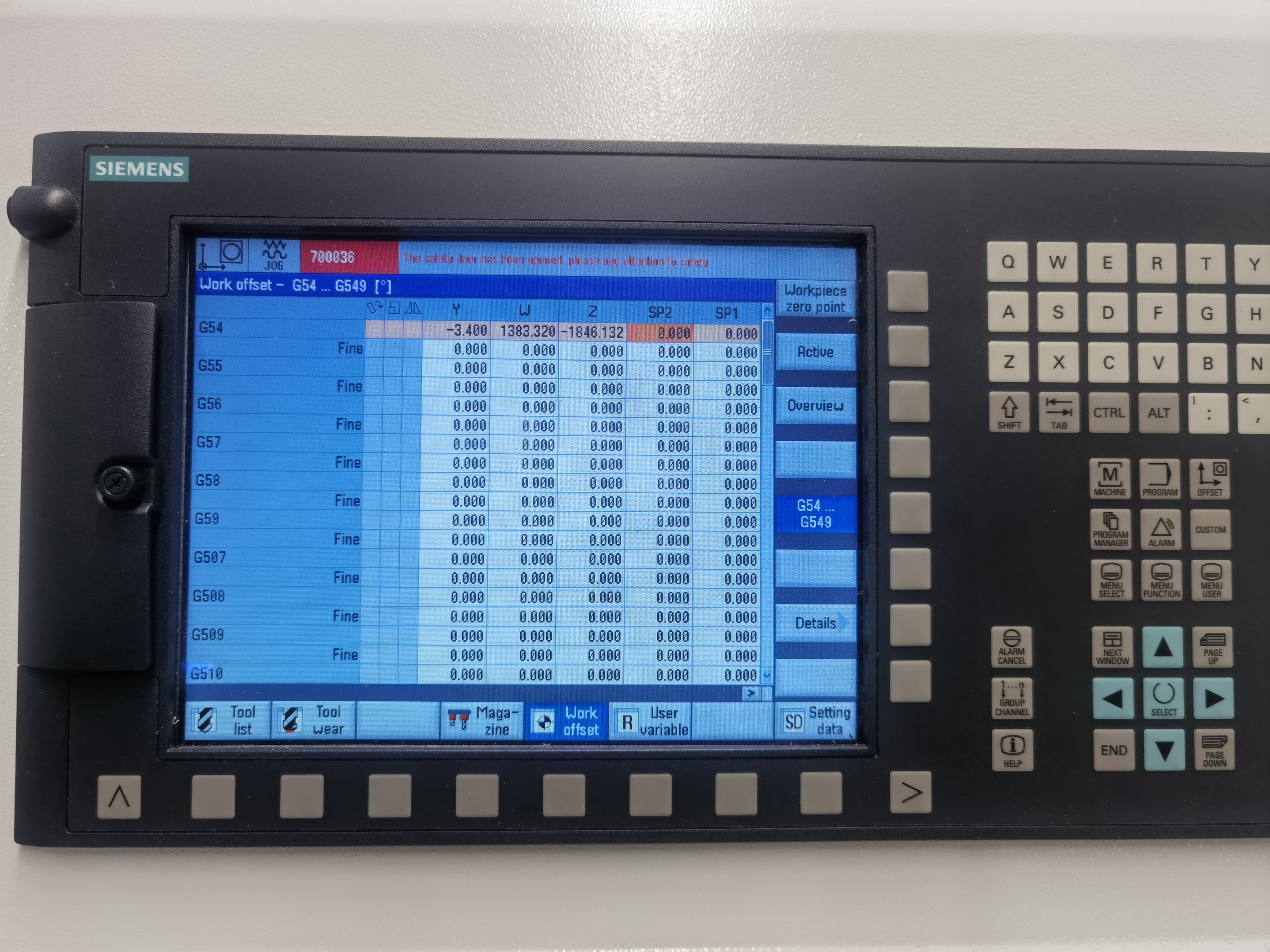
It was 1:47 AM on a Wednesday in March, and I was already in trouble before I touched the control panel. The day shift guy, Danny, had flagged the handover log as urgent. “Drill acting weird near the end of the shift,” he wrote. “Reduced feed rate to try to finish the last part. Might need looking at.” The log was sitting on the desk in the break room where he’d left it, next to an empty coffee cup and a half-eaten granola bar. I read it, nodded to myself, and walked straight past the machine to clock in. That decision cost us almost two thousand dollars. ...

June 16, 2026 · Engineer at the Deep Hole

Gun Drill Tool Breakage: 5 Most Common Reasons

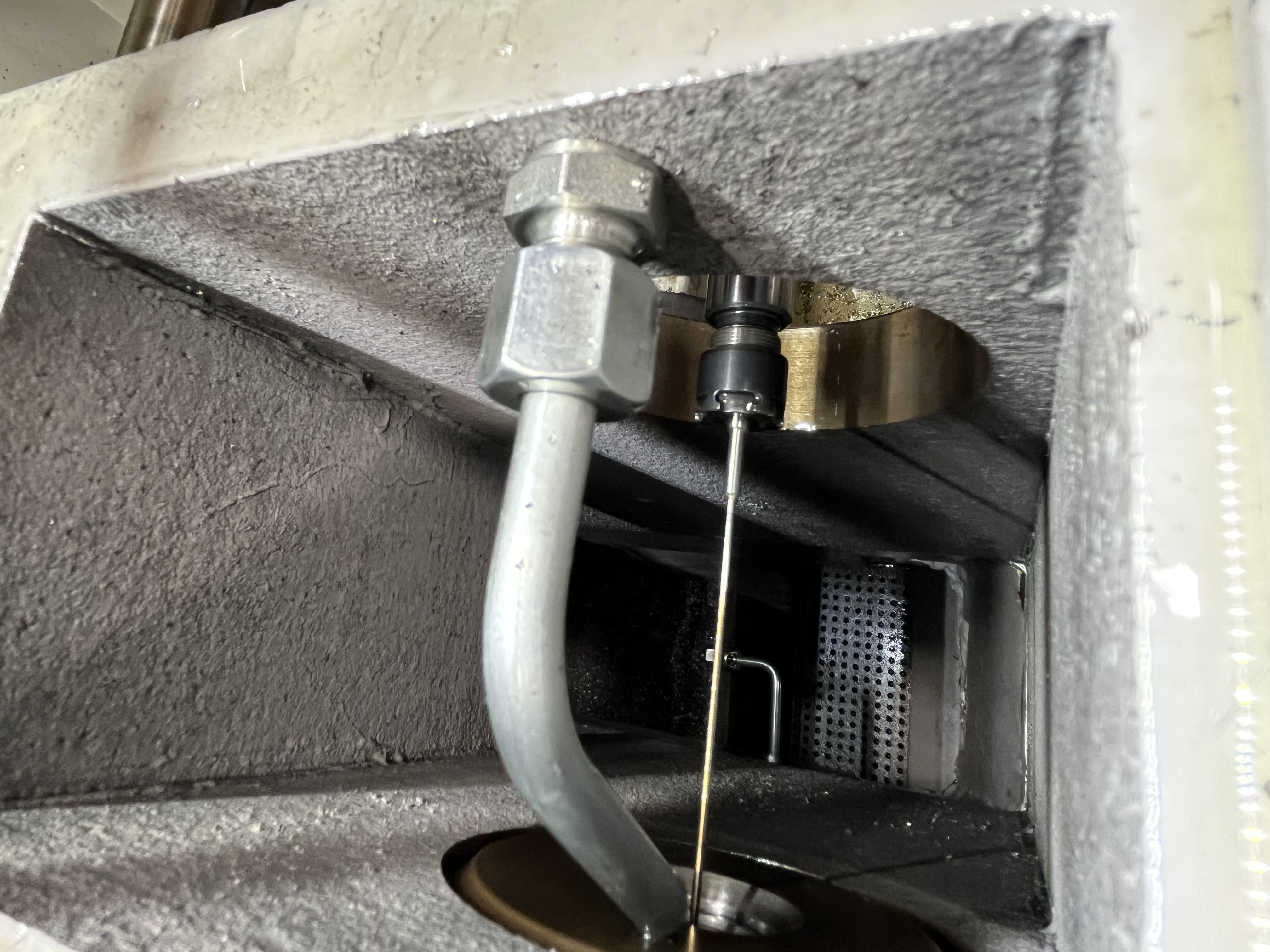
I have been diagnosing gun drill breakages for over a decade now, and I can tell you one thing for certain: a broken gun drill is almost never a single-cause failure. It is a chain of events that lines up in the wrong order. But certain root causes show up again and again. Tool breakage is one of the most expensive problems in deep hole drilling. A single broken drill can mean a scrapped part, a stuck tool removal job, and days of downtime. Here are the ten most common causes I have seen, ranked by how often they show up in my shop. ...

June 11, 2026 · Engineer at the Deep Hole

Material Hard Spots: How to Detect and Handle Them

The Hard Spot Problem Hard spots are localized areas in the material where the hardness spikes well above the nominal range. A piece of 4140 that is 30 HRC overall can have a hard spot at 45 HRC. The drill hits that spot and the cutting edge chips. I have seen this most often in castings and forgings. A casting that cools unevenly develops hard zones where the cooling rate was different. A forging that was not properly stress-relieved after forming has unpredictable hardness distribution. ...

June 11, 2026 · Engineer at the Deep Hole

Gun Drill Breakage in BTA Drilling: A Different Failure Mode

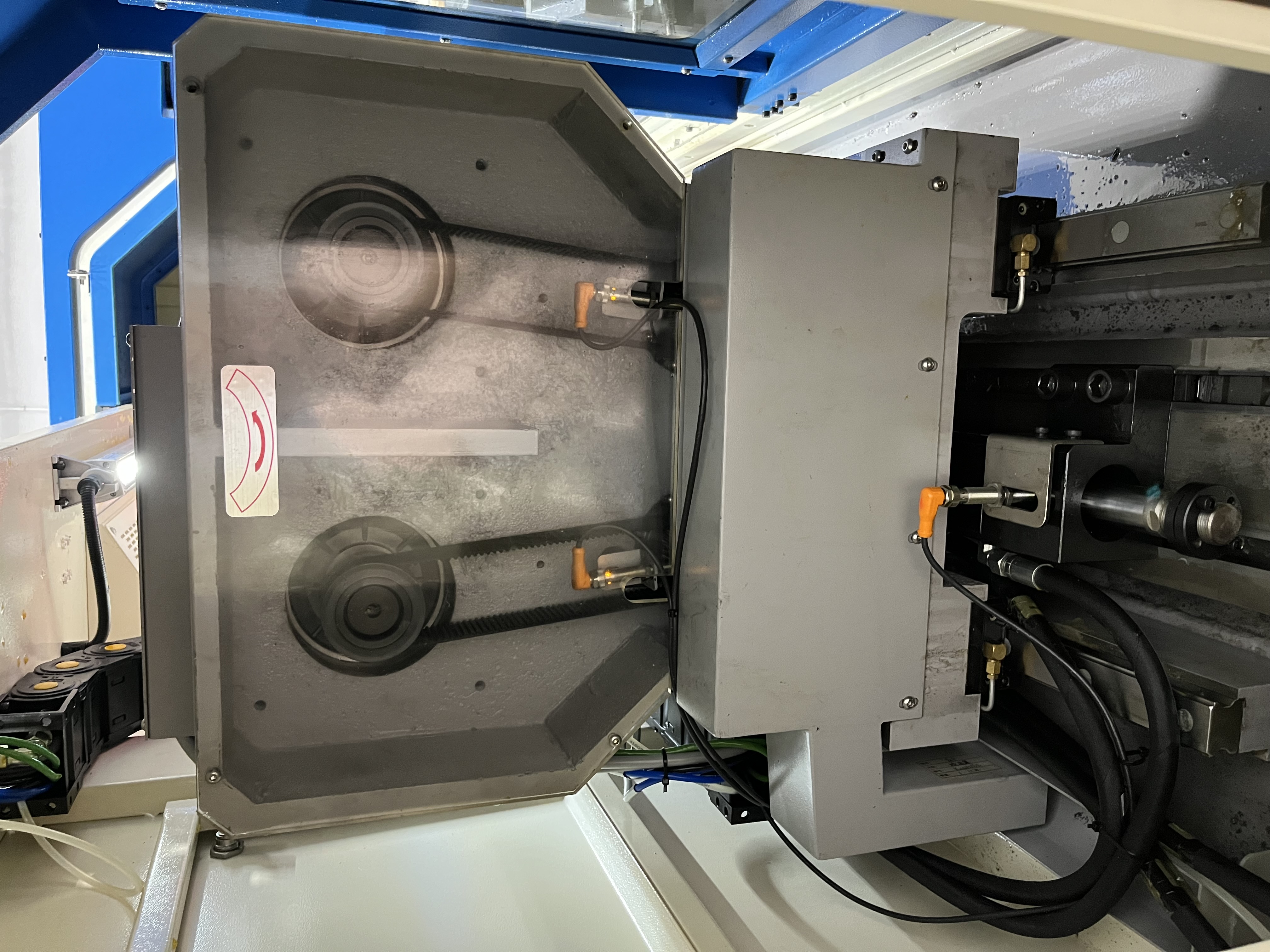
How BTA Machines Differ from Gun Drill Machines for Gun Drilling I have spent years running gun drills on both dedicated gun drilling machines and BTA machines, and I can tell you they are not the same animal. On a dedicated gun drill machine, everything is optimized for the gun drill’s operating principles: high coolant pressure at moderate volume, steady spindle speeds, and a rigid guide bushing setup that keeps the drill tip centered before it enters the workpiece. ...

Engineer at the Deep Hole