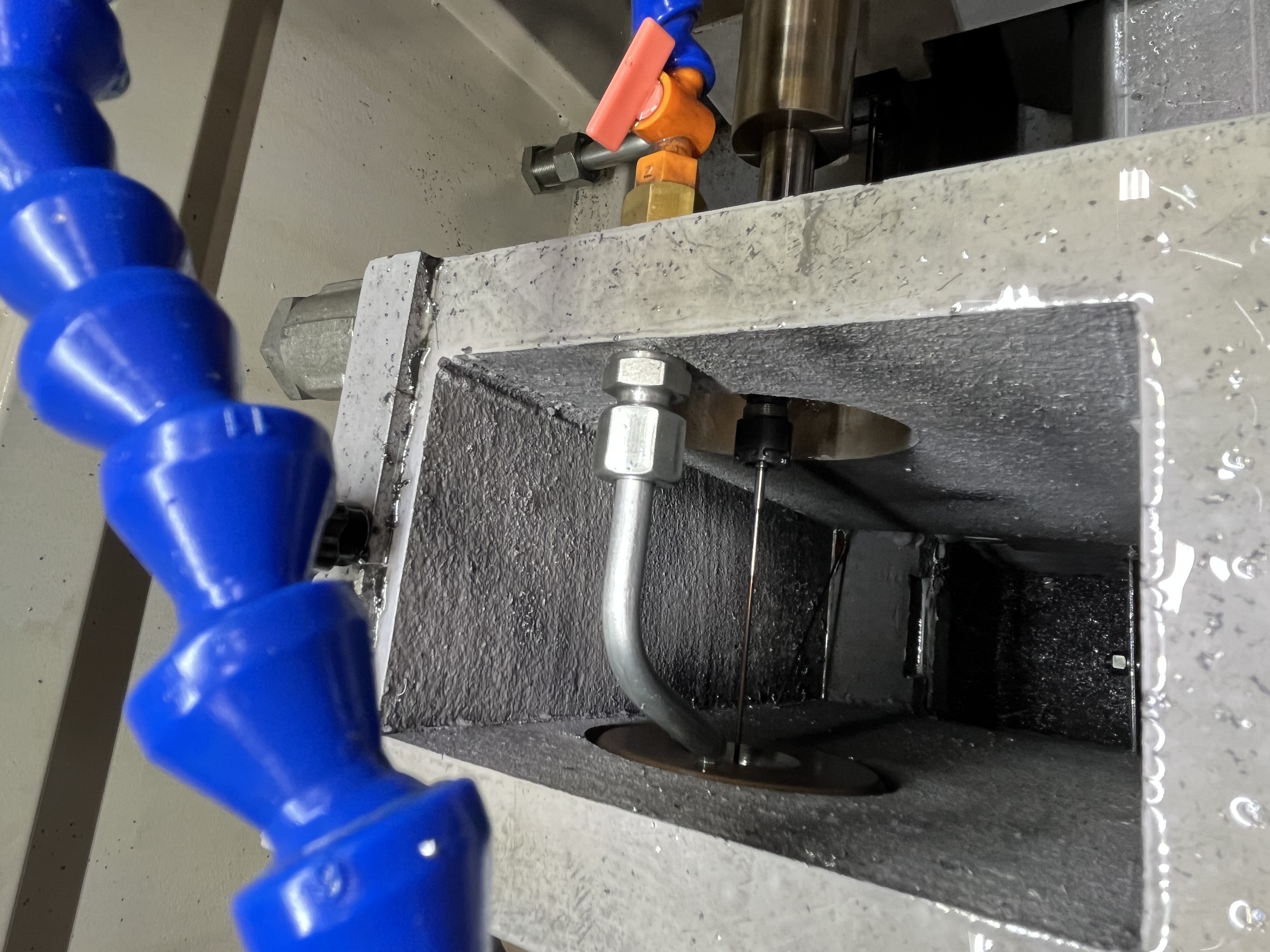
How I Learned to Check the Simple Things First

It was a Tuesday morning in late February, and I was feeling confident. We had a batch of fifty 4140 steel shafts to get through, each requiring a 12mm hole drilled 400mm deep. The machine was a TBT ML-800, which normally runs like a Swiss watch. I had set the job up the day before, everything was dialed in, and I was ready to make chips. First hole of the day came out at 0.15mm off position. Not terrible, but not within our tolerance of 0.08mm. I tweaked the alignment, ran another part. This one was 0.12mm off. Then the third hole was 0.18mm off at the bottom. Something was wrong. ...
June 12, 2026 · Engineer at the Deep Hole

Machine Rigidity and Its Impact on Deep Hole Drilling Quality

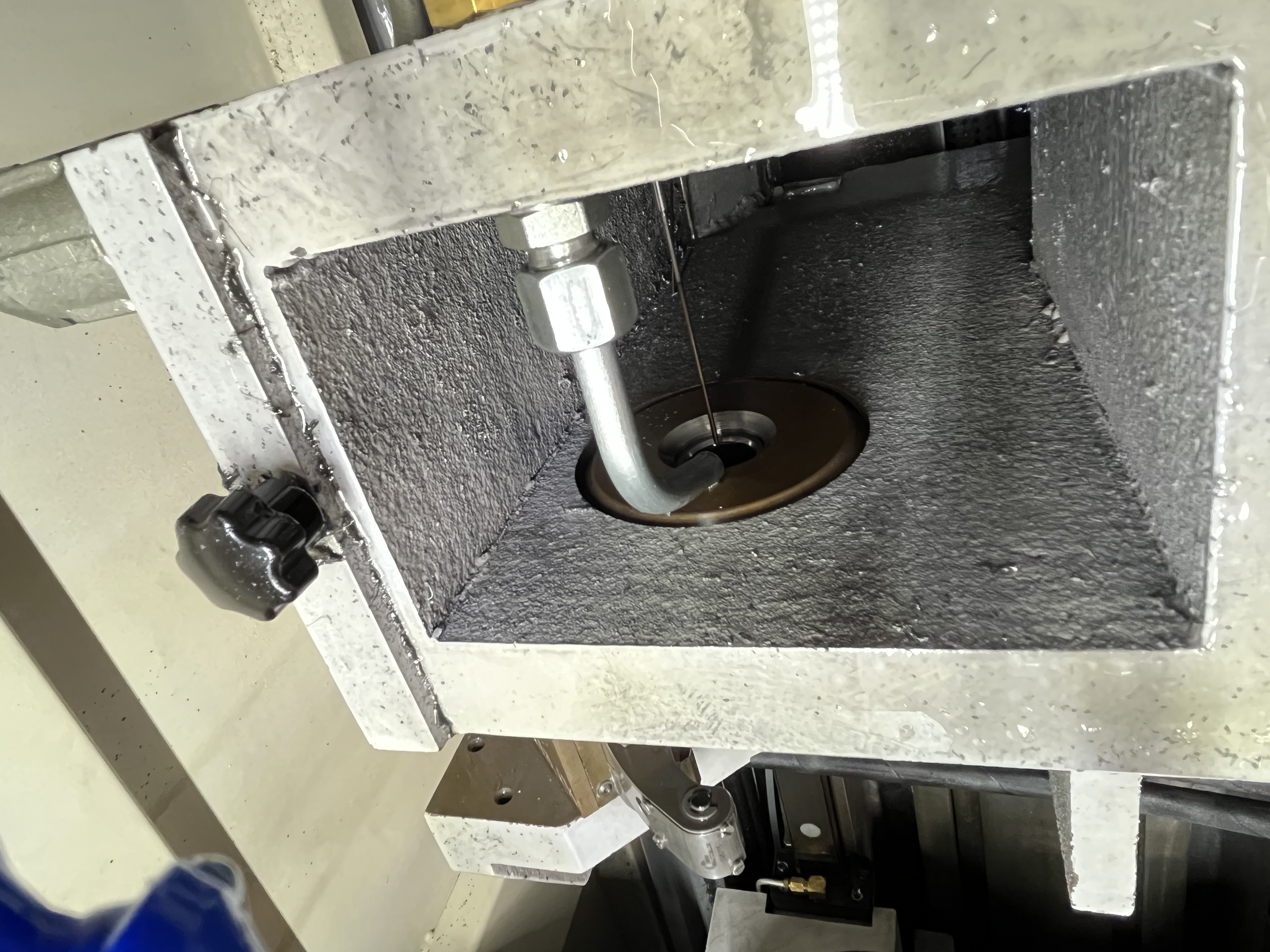
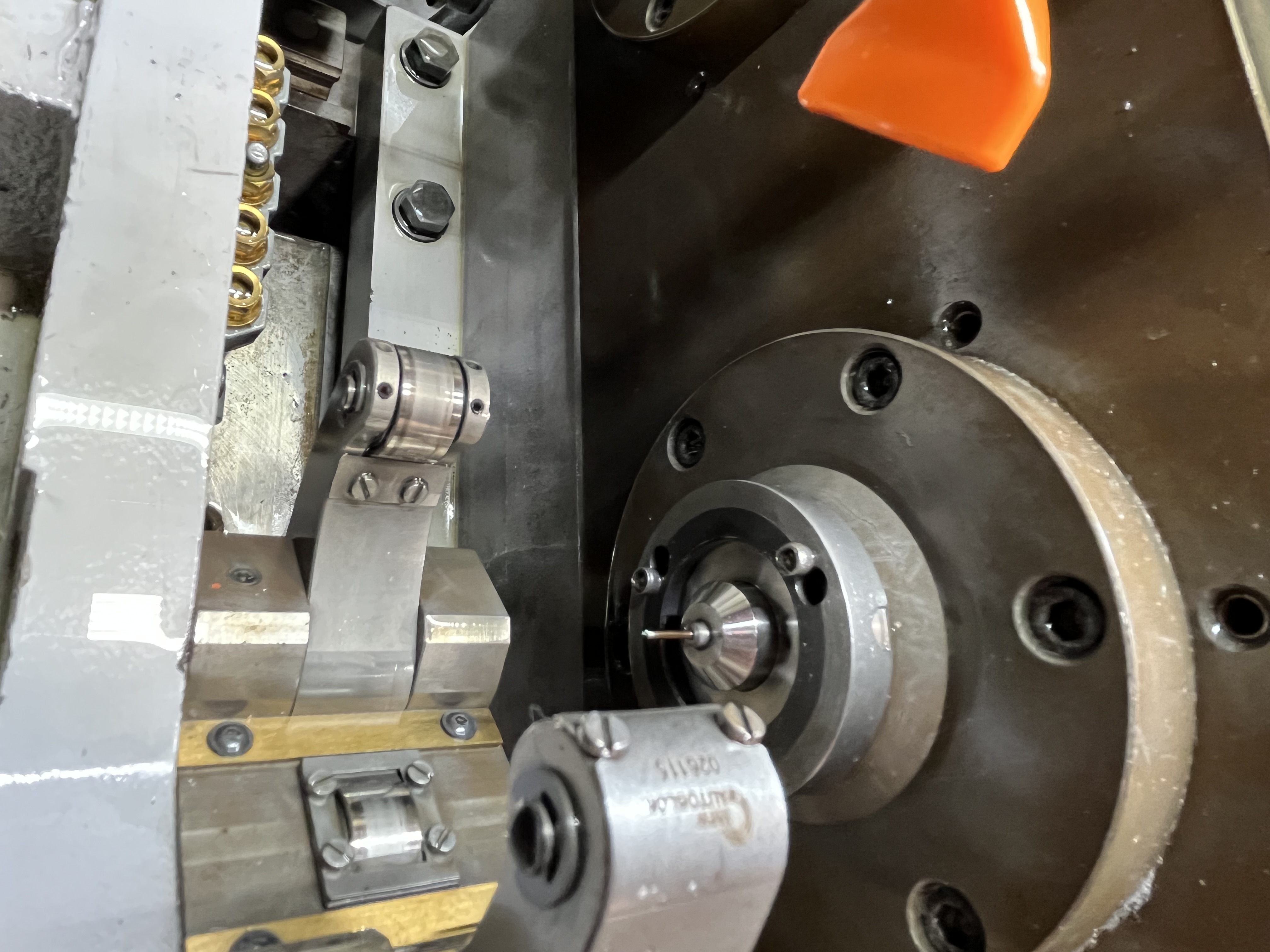
Machine rigidity is the foundation of deep hole drilling quality. You can have the best drill, the right parameters, and the perfect coolant setup, but if the machine isn’t rigid, the holes won’t be straight. I’ve worked on machines ranging from light-duty job shop gun drills to massive BTA production machines. The difference in rigidity shows up in every hole they produce. How Rigidity Affects the Hole A machine that lacks rigidity flexes under cutting forces. The flex causes: ...

June 11, 2026 · Engineer at the Deep Hole

Vibration in Deep Hole Drilling: Diagnosis and Fixes

How Vibration Affects Deep Hole Drilling Vibration is one of the most destructive forces in deep hole drilling. It leaves chatter marks on the bore surface, reduces tool life by 50% or more, and can break the drill in severe cases. The vibration energy that should go into cutting goes into the workpiece and the machine instead. I have seen parts scrapped from vibration damage that looked like the bore had been machined with a thread cutting tool. The chatter marks were 0.05mm deep and the surface finish was completely unacceptable. The part had 4 hours of machining invested before the final bore operation. ...

June 11, 2026 · Engineer at the Deep Hole