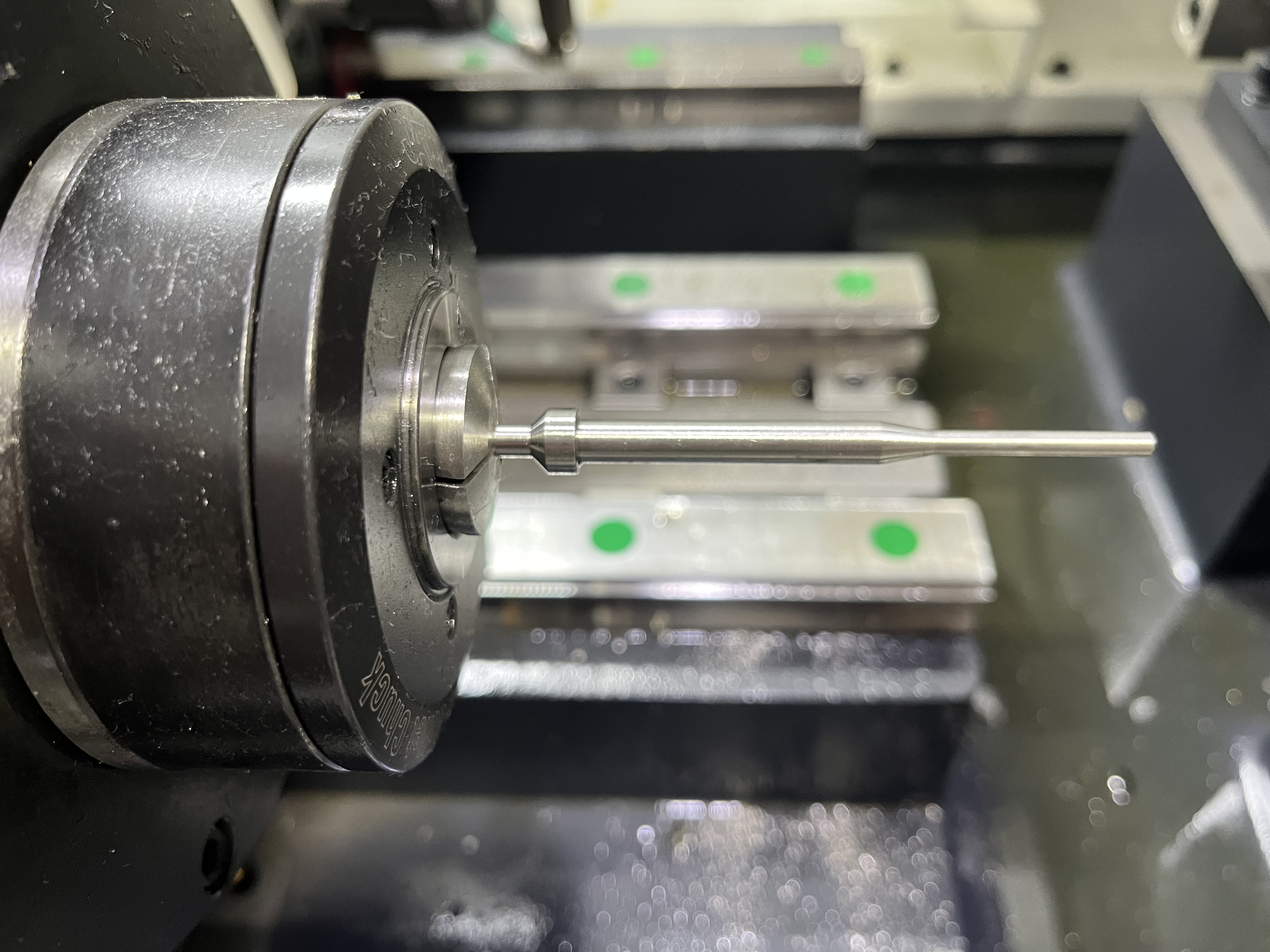
Deep Hole Drilling for Railway Applications: Axles, Wheelsets, and Couplers

Railway components – axles, wheelsets, couplers, and brake components – are heavy, long, and have tight quality requirements. I have been working on these parts for over a decade and they present a unique set of challenges compared to smaller, higher-volume deep hole drilling jobs. In my experience, the railway industry uses deep hole drilling for three main purposes: through-boring axles for weight reduction, drilling oil holes in couplers and knuckles, and boring wheelset bores for axle fit. ...
June 16, 2026 · Engineer at the Deep Hole

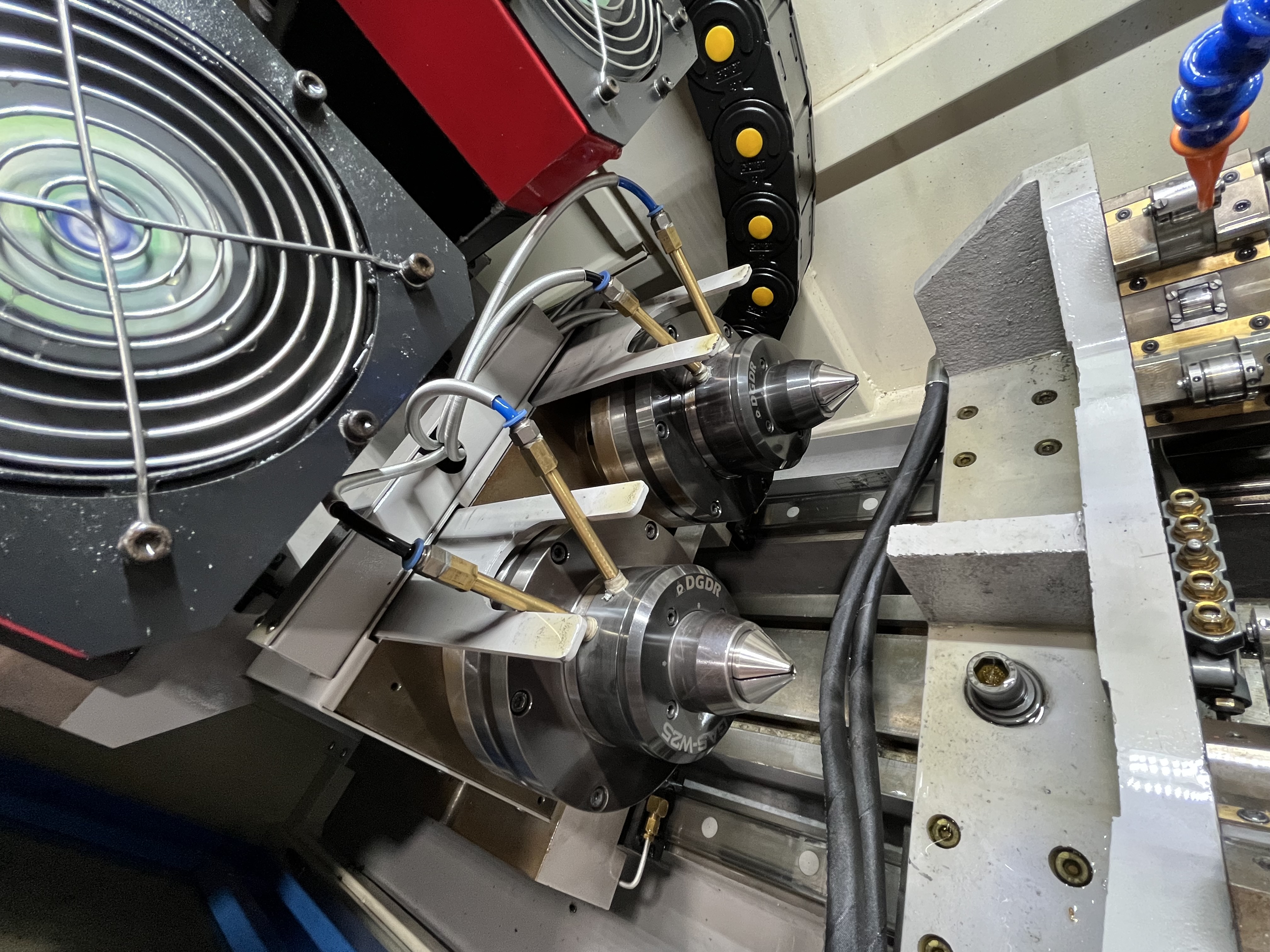
Wheel Set Bore Honing After BTA Drilling

Railway wheel sets have a bore that is press-fitted onto the axle. The bore tolerance needs to be within +0.05mm for the press fit to work correctly. BTA drilling gets the bore close, but honing brings it to the final tolerance and surface finish. In my experience, the honing process determines whether the wheel set stays securely on the axle for its entire service life. Honing Stock Allowance and Process Planning After BTA drilling, I leave 0.15-0.25mm stock for honing. The honing pass removes this stock and corrects any minor diameter variation from the drilling operation. The amount of stock I leave depends on the as-drilled condition measured after BTA. ...

June 16, 2026 · Engineer at the Deep Hole

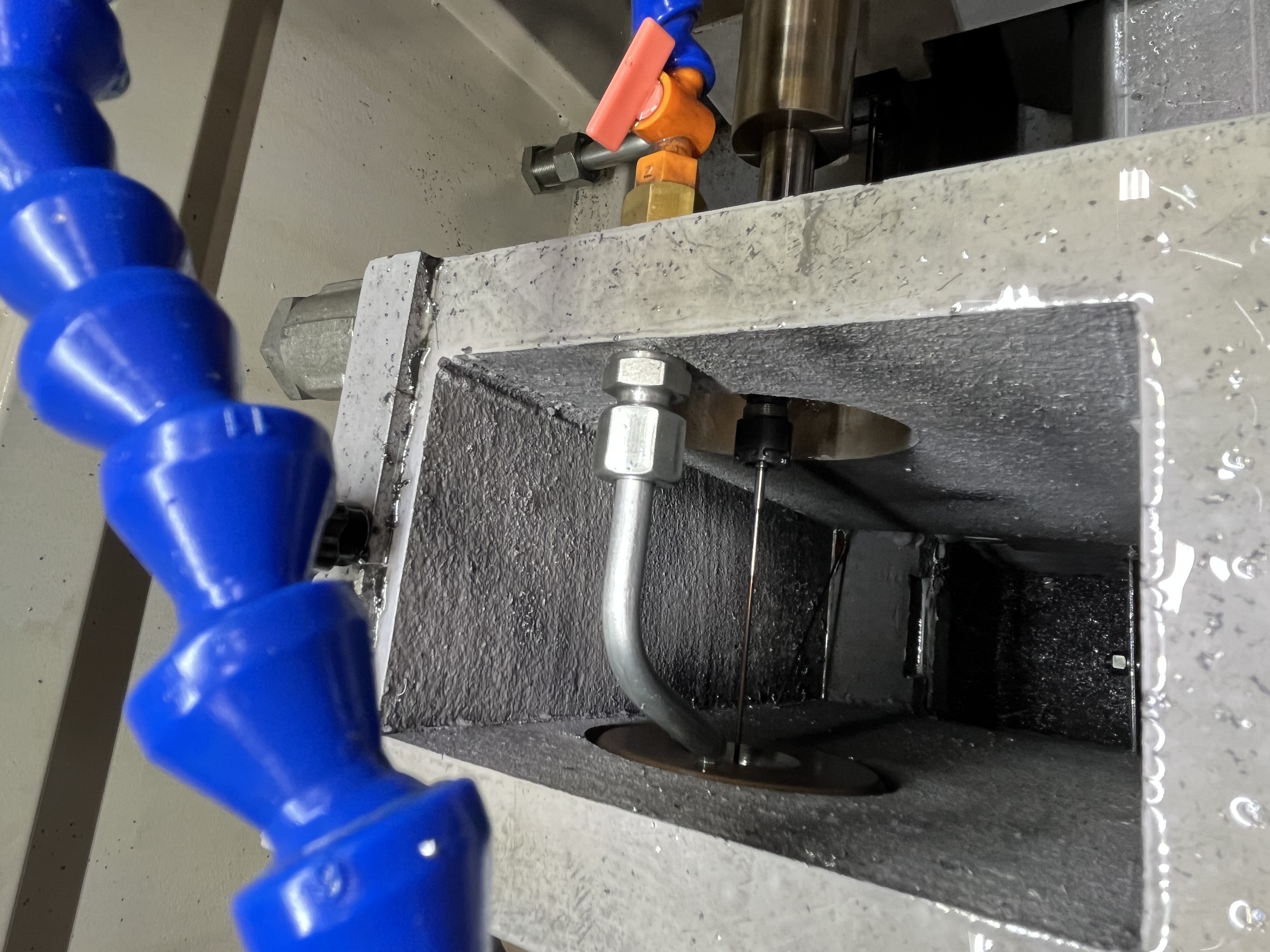
Wheel Set Boring for Railway Rolling Stock

Railway wheel sets consist of two wheels pressed onto an axle. The wheel has a bore that is precision-machined to an interference fit with the axle. The bore tolerance determines whether the press fit holds the wheel securely in service. In my experience, the boring operation is the most quality-critical step in wheel set manufacturing because once the wheel is pressed onto the axle, an incorrect bore cannot be corrected without scrapping components. ...

June 16, 2026 · Engineer at the Deep Hole