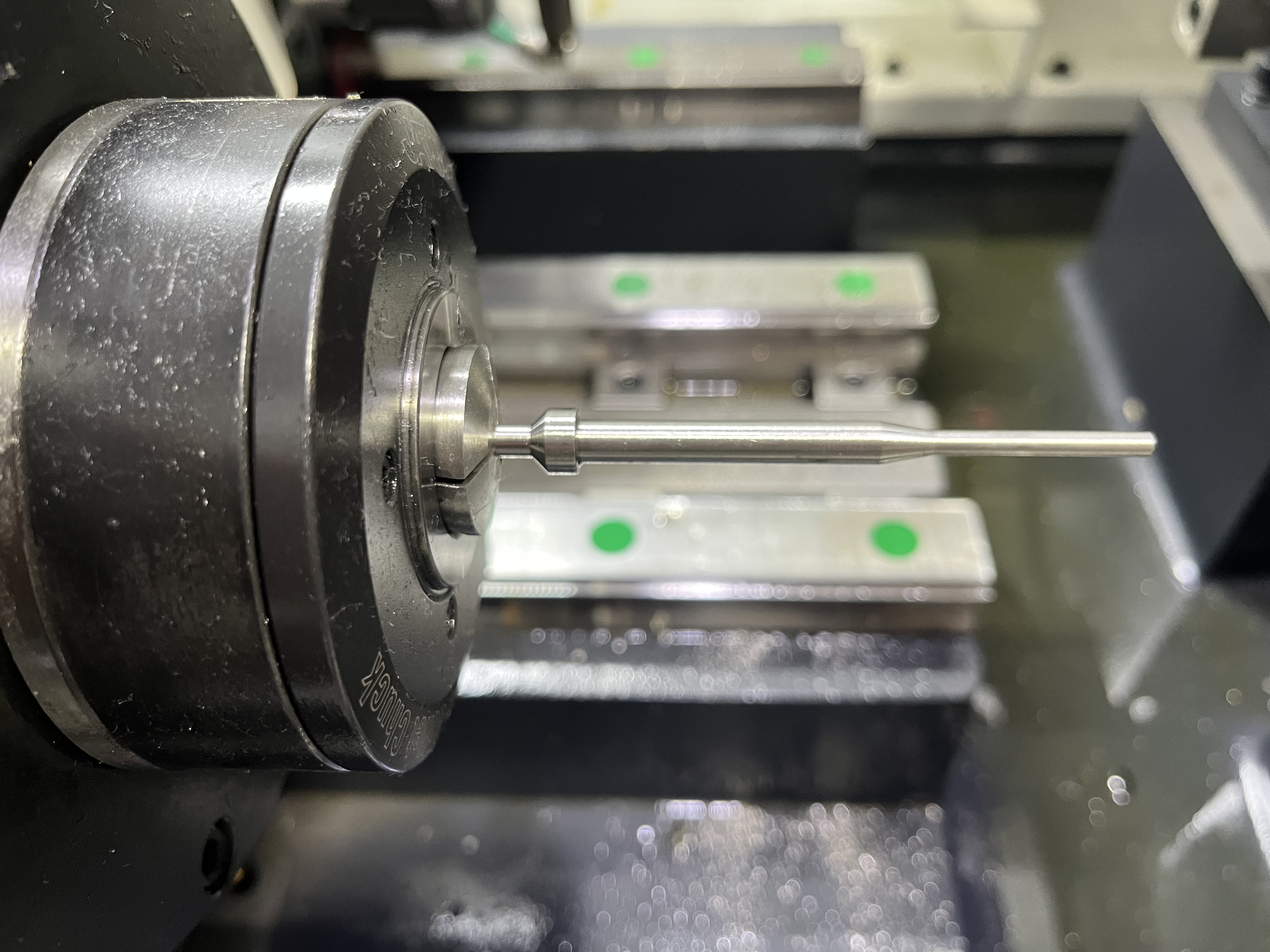
Why Sound Matters
Sound is the earliest indicator of a problem in deep hole drilling. The gauges show what happened. The sound tells you what is happening right now. I learned this from an operator who had been running gun drills for 30 years.
He taught me to listen to the machine before looking at the control panel. The sound changes before the numbers do. A drill that is about to break sounds different 10 seconds before it breaks. The indicators on the screen still look normal.
Sound diagnosis is a skill that develops with practice. I train every operator to recognize the normal cutting sound for each job. Once they know what normal sounds like, they hear abnormalities immediately.
The ear is more sensitive to change than any single sensor. Your brain processes sound continuously and alerts you to changes without conscious effort. I use that natural ability as a diagnostic tool.
Normal Cutting Sounds
The Steady Cut
A stable deep hole drilling operation produces a consistent, rhythmic cutting sound. The sound varies by material but has a steady quality that does not change. In steel, it is a smooth hissing sound with a slight metallic edge. In aluminum, it is a higher-pitched, softer sound.
I have learned to listen for the rhythm. A gun drill cutting properly produces a consistent sound cycle as the chips form and break. The sound repeats every revolution with no variation in pitch or volume.
| Material | Normal Cutting Sound |
|---|---|
| 4140 steel | Smooth hiss, mid-pitch |
| 4340 steel | Lower pitch, slight roughness |
| 6061 aluminum | High-pitched, soft |
| 316 stainless | Hissing with intermittent crackle |
| Cast iron | Dry, gritty sound with minimal pitch |
What Normal Sounds Tell You
A consistent cutting sound tells me that chip formation is regular, coolant flow is adequate, and the cutting edge is sharp. Any of those conditions changing will change the sound first.
I use the sound as a baseline. If something changes, I need to know before it causes a problem. The operators on my shift know to call me if the sound changes, even if everything else looks normal.
Problem Sounds and Their Meanings
Chattering or Squealing
A chattering sound means vibration. The drill is bouncing off the workpiece surface instead of cutting smoothly. Chatter leaves a visible pattern on the bore surface that looks like threads.
| Sound Type | Likely Cause | First Action |
|---|---|---|
| Chatter (intermittent) | Worn guide bushing | Check bushing clearance |
| Chatter (continuous) | Workpiece resonance | Change spindle speed 10-15% |
| Squeal (high pitch) | Tool rubbing on bore wall | Check alignment, bushing |
| Squeal (low pitch) | Chip packing | Stop and retract immediately |
I check the guide bushing first when I hear chatter. A worn bushing with 0.03mm clearance is the most common cause. The bushing no longer supports the drill firmly, so the drill vibrates.
Grinding Sounds
A grinding sound is an emergency. It means tool failure or severe chip packing. The cutting edge is not cutting anymore — it is rubbing or crushing the material. Continuing to run will break the tool or damage the bore.
I stop the spindle and retract immediately when I hear grinding. After retraction, I inspect the tool. If the cutting edge is chipped or broken, I replace the tool. If the tool looks intact, I check for chip packing in the flute.
Coolant Pump Sounds
The coolant pump has its own sound signature. A healthy pump produces a steady, low hum. If the pitch changes, something is wrong with the coolant system.
A high-pitched squeal from the pump means cavitation. The pump is running but not moving fluid because it is drawing air. I check the coolant level first. Low coolant is the most common cause.
A grinding or knocking sound from the pump means mechanical damage. The pump impeller may be hitting the housing or the bearings may be failing. I stop the pump and inspect.
Developing Sound Diagnosis Skills
Operator Training
I train operators to diagnose by sound using a simple method. We listen to a job running normally for 10 minutes. I point out the baseline sound. Then we introduce controlled changes and listen to the sound change.
For example, I reduce the coolant pressure by 200 psi and let the operator hear the sound change. The cutting sound becomes rougher and less consistent. The operator learns to associate that sound with low coolant pressure.
| Skill Level | What the Operator Can Hear |
|---|---|
| Week 1 | Notice that the sound changed |
| Month 1 | Identify the type of change (chatter vs. grinding) |
| 3 months | Identify the likely cause by sound alone |
| 1 year | Predict failure 5-10 seconds before gauges |
Integrating Sound with Other Diagnostics
Sound diagnosis works best as part of a broader monitoring system. I use sound as the first alert and confirm with machine data before taking action.
A change in sound combined with a 10% spindle load increase is a strong signal of tool wear. A change in sound with no load change may indicate chip packing. The combination of sound and data gives me a complete picture.
Key Takeaways
- Sound changes before gauges show a problem. Listen to the machine.
- A steady cutting sound means stable process. Any change is worth investigating.
- Chatter means vibration — check the guide bushing first.
- Grinding means tool failure or chip packing — stop immediately.
- Train operators to recognize normal cutting sounds and react to changes.
- Use sound as a first alert, then confirm with machine data before acting.